WordPress on DigitalOcean

Author: headless_sync

  • Tips For Leaving The House

    Tips For Leaving The House

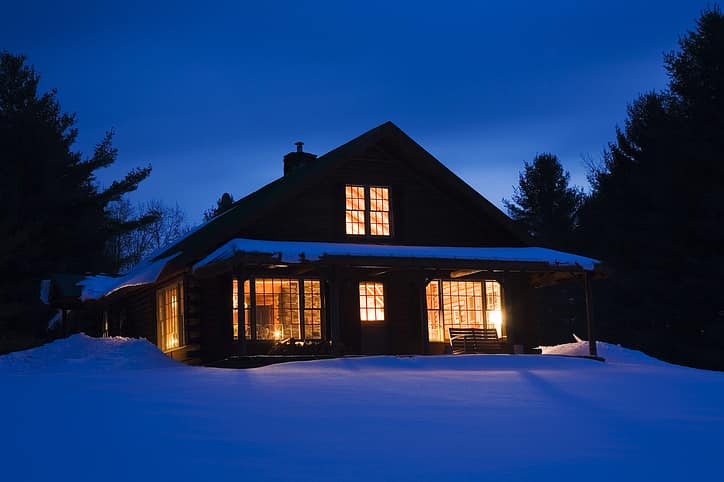
    Criminals look for easy opportunities. Often that involves casing houses. They watching for patterns or windows of opportunity. Casing a house nowadays also includes using social media to see who is posting about going away on vacation. So, don’t make it obvious when you are not home.
    Here are three tips for protecting your home while you are away.

    •  Make You Home Look Occupied There are lots of little things that you can do to make your home look occupied. Set your lights on a timer (our Total Connect app is great for that too!) Turn your TV or radio on – the noise adds an element of someone being home. You also want to to leave your curtains or blinds in the same position they are usually in.
      outdoor-lighting-banner
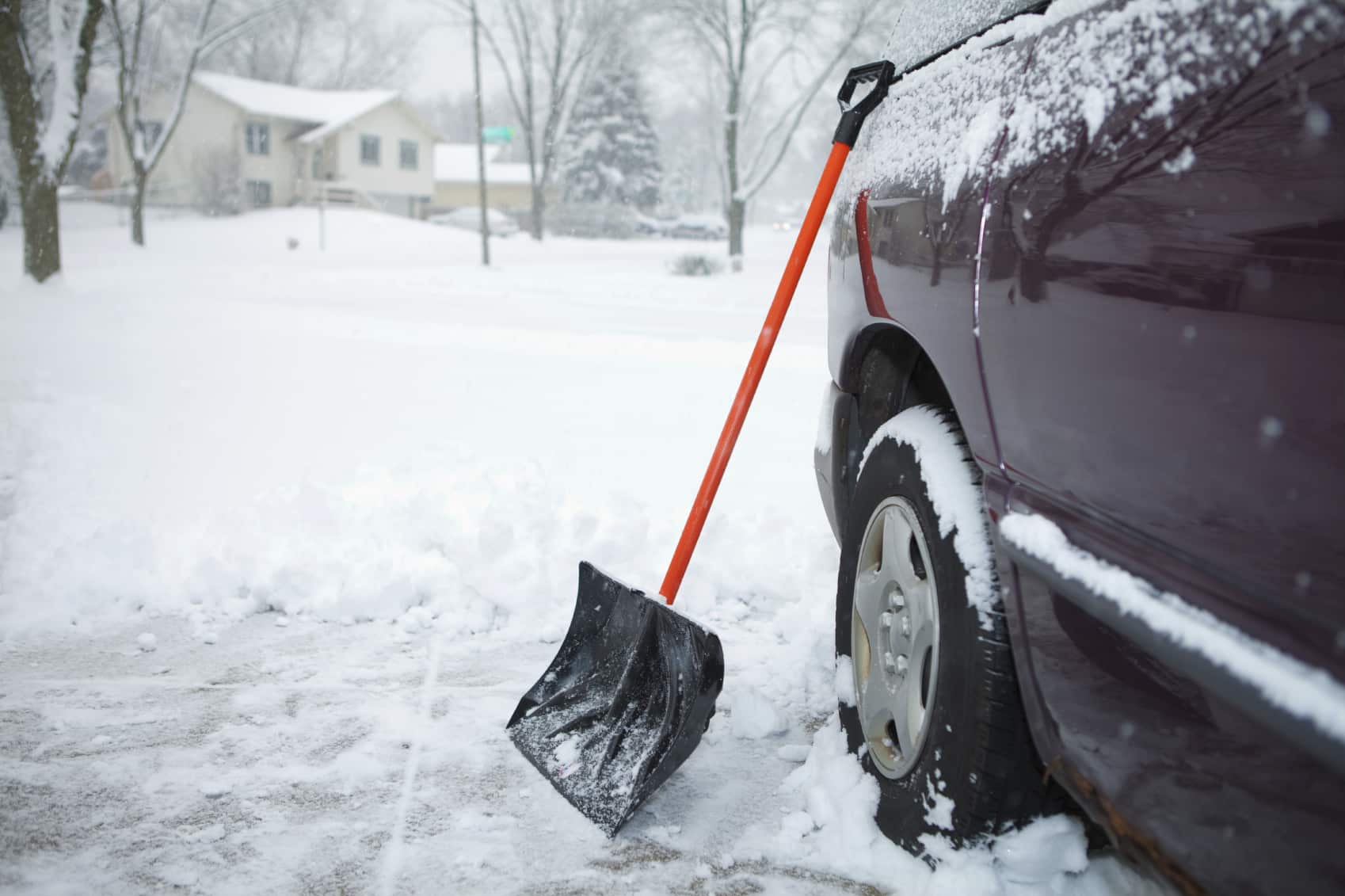
      •  Take Care of ChoresUn-shoveled driveways and junk mail piling up are sure signs that nobody is home. Have a trusted friend, neighbor or family member help out. Ask them to come by and shovel your snow, clean off your car and pick up the mail – and the junk mail!
      Shovel car
      •  Check Your Locks and Alarm System

      Double check all your doors and windows are locked. Test your alarm system as well. Call our Central Monitoring Station and let us know your test the alarm, then go ahead and set it off! Then let us know how long you’ll be away. We’ll note it on your account.

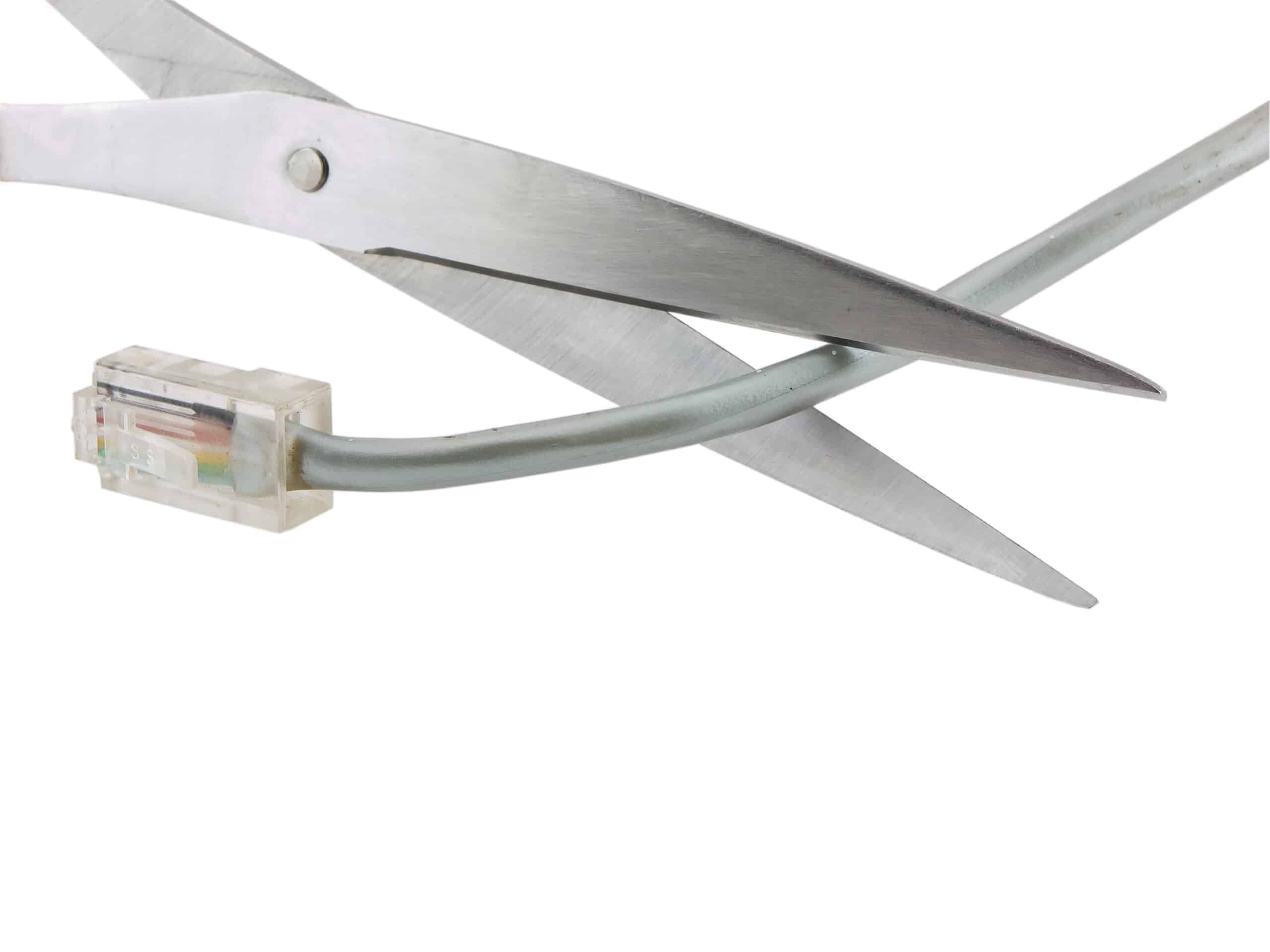
    Adding a cellular module to your security system allowsyou to eliminate your phone service. Further, it means your system is not relying on another company’s service, nor is it relying on a physical wire coming off a pole and into your home, which can be cut – accidentally or on purpose. To add a cellular module to your security system as a means of communication call 1-800-265-5317 or just CLICK HERE.

  • Phone Line Cut During Burglary

    Phone Line Cut During Burglary

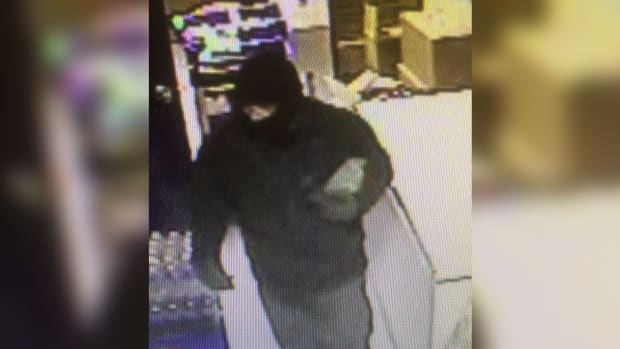
    Sometime late Saturday night or early Sunday morning of November 22nd, an unknown suspect forced their way into the Wheatley Arena on Erie Street North.

    Once inside, the suspect damaged the ATM machine, a safe and entered the canteen area and stole a quantity of cash.

    image

    The police investigation revealed that the area phone lines had been cut disrupting service to local residents costing over $5000 in repair costs. Damage to the arena and ATM is over $3000

    If you have any information regarding this or any other crime please call CRIME STOPPERS at 519-351-8477, or 1-800-222-8477, text CRIMES (274637) keyword CKCS, or email your tip.

    cs-logo-master1

    HERE is a link to the story.

    Security ONE was able to provide a solution in this case. By adding a Cellular Communication Module to the security system, you no longer rely on the service of a third party (like the phone company). Further, you no longer rely on the actual line coming off the pole, which can be cut accidentally or on purpose – which was the case at the arena.

    To add a Cellular Communication Module to your security system, call 1-800-265-5317 or just CLICK HERE.

  • Winter Safety Tips

    Winter Safety Tips

    • Light up the dark

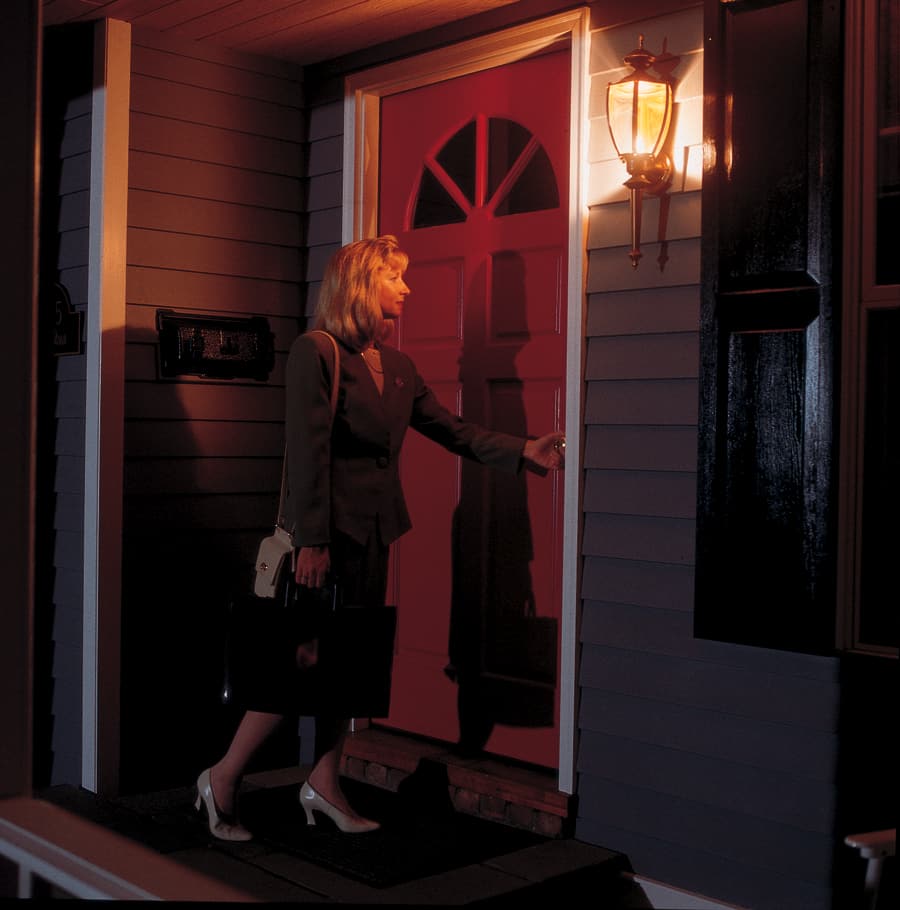
    – It gets dark much earlier these days, and criminals like to work in the dark. They don’t want to get caught in the act and the best way to do this is to commit crimes in darkness.
    – Installing motion-activated lights. Not only will this act as a deterrent to criminals, but it also helps cameras capture higher quality video.

    woman_at_night_hi

    • Prepare for emergencies

    – Power outages and other emergencies increase during winter. Frozen power lines or fallen trees can leave homes without electricity.
    – Keep an emergency kit at home. It should include flashlights, batteries, blankets and other items to get you through a power outage.
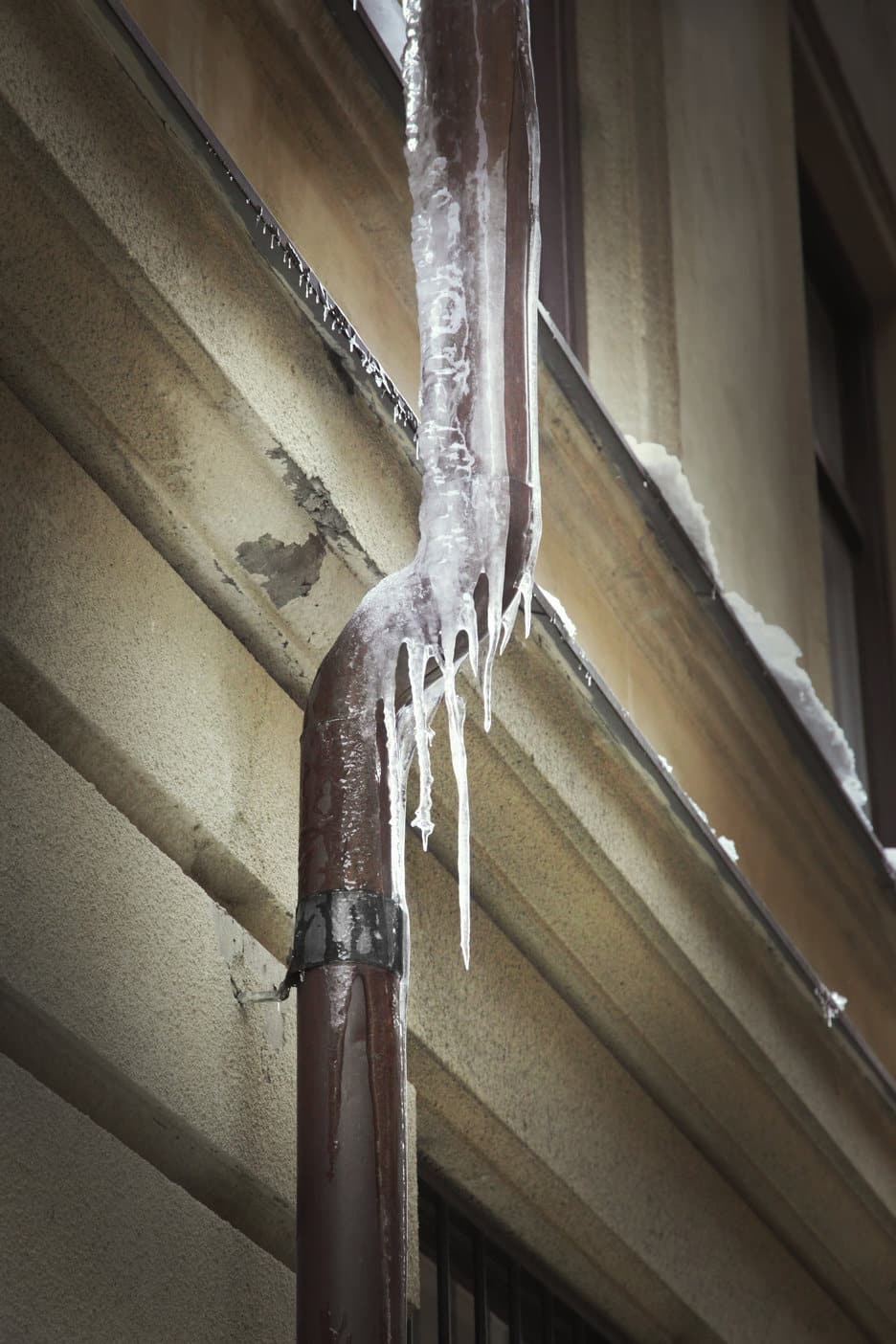
    – Flooding is also a concern at this time of year. Cold temperatures can cause pipes to break, flooding homes and basements. Our flood detectors can alert you if a flood occurs no matter where you are.

    frozen-pipes

    • Be careful with heaters

    – Every winter, fires and even deaths are caused by unsafe heating.
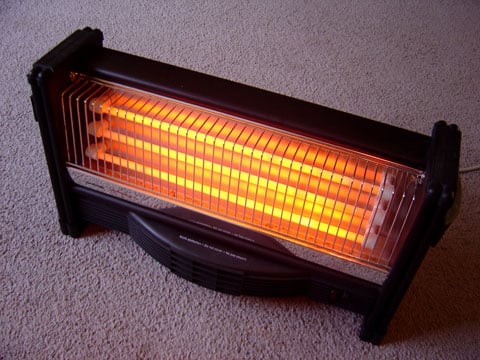
    – Be sure to keep anything that can burn (blankets, paper, clothing, etc.) at least three feet away from heating equipment such as furnaces, fireplaces or space heaters.
    – Never use an oven, BBQ or outdoor heater to heat your home.
    – Have all heating equipment checked for safety issues before turning it on for the first time this season.
    – Never leave portable heaters unattended.
    – Make sure your carbon monoxide detectors are working correctly.
    space-heater

    To add flood detectors, carbon monoxide detectors or other life safety devices to your security system, call 1-800-265-5317, or just CLICK HERE.

  • Pet Safety

    Pet Safety

    When people think of alarm systems and home security, they usually think about protecting their property and their families. For many people, protecting family also means protecting pets. The good news is that the same tools that keep your human family safe can also protect your four-legged friends.

    42-21009655_jpg

    Criminals can raid a house in seconds, stealing large amounts of valuables and damaging your property. They can also put your pets at risk. In order to protect your pets and keep them safe, you’ll want to have a monitored alarm system installed. These systems are connected to a central monitoring station that can notify you right away and send emergency assistance immediately. All of which will help keep your pets safe and secure.

    Horiz_Droid_dog

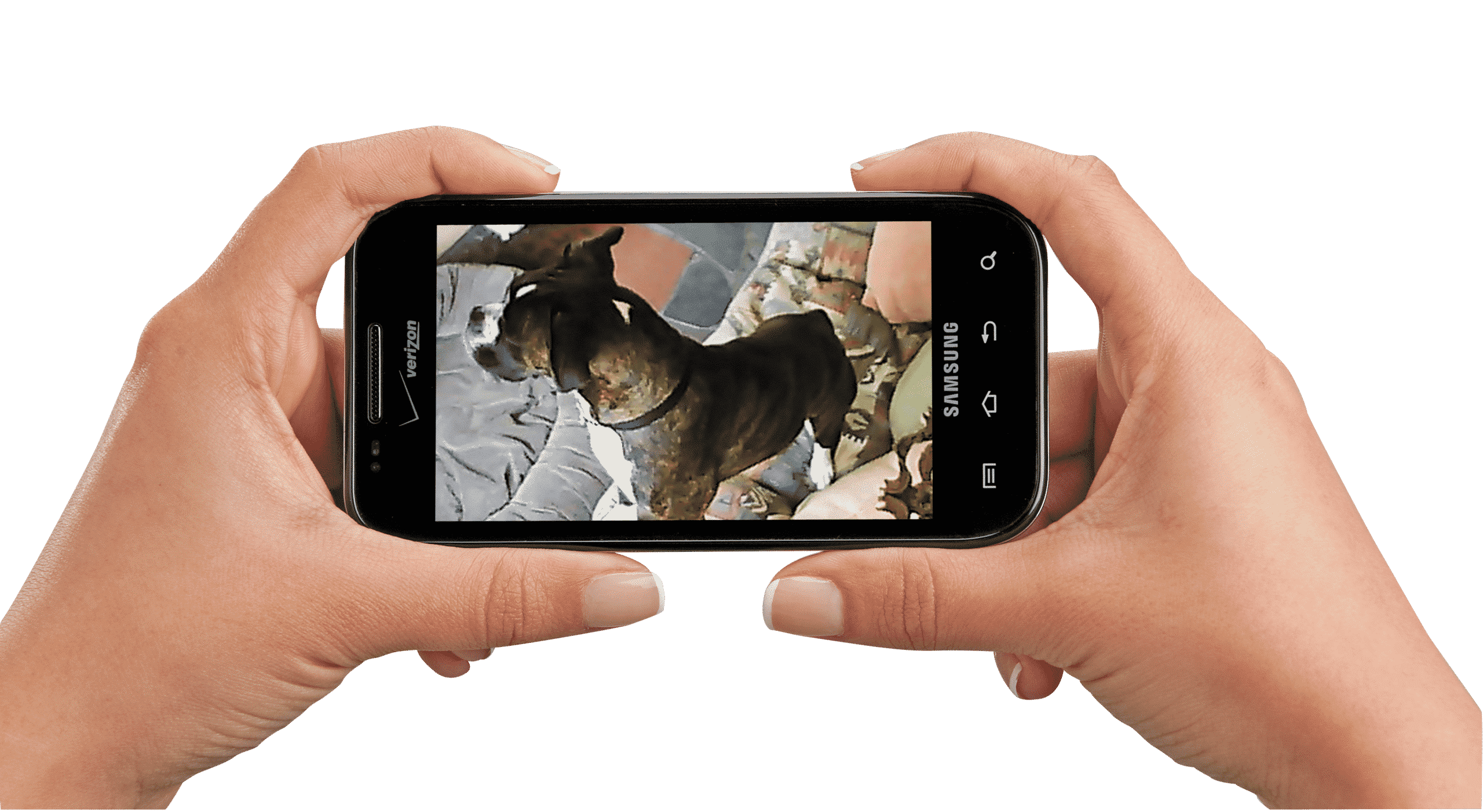
    Older or less sophisticated alarm systems often have motion detectors that can be activated by pets. This leads to false alarms and systems that are rendered ineffective. Not only do modern alarm systems have pet immunity devices that compensate for the movement of pets, often a modern smart alarm system will have integrated cameras that can let you or a central station operator view live footage of your property as soon as a trouble condition may arise. This means that the central station staff can quickly use this footage to determine if a crime is actually taking place or if your dog just knocked over a lamp.

    In short, smart surveillance tools provide home owners with pet’s additional peace of mind. To add pet immune motion sensors or Total Connect to your security system, call 1-800-265-5317 or just CLICK HERE.

  • Stay Ahead Of Criminals

    Stay Ahead Of Criminals

    If you already have an alarm system installed, ask yourself if it provides adequate protection? A number of new advances have taken place in the business. If your alarm system is older, it may not feature all of the tools that modern systems use to provide superior protection. Autumn is the perfect time to review your current security set up and see if any improvements can be made.

    Local-Monitoring

    For example, is your system monitored? If it’s not, it could sound when there’s a break in, but the chances of anyone responding are very slim. However, with a monitored system, your home is watched by our central monitoring station 24 hours a day, 7 days a week. Central station staff can contact the appropriate authorities right away if there is an issue.

    TC_Video_View_hi
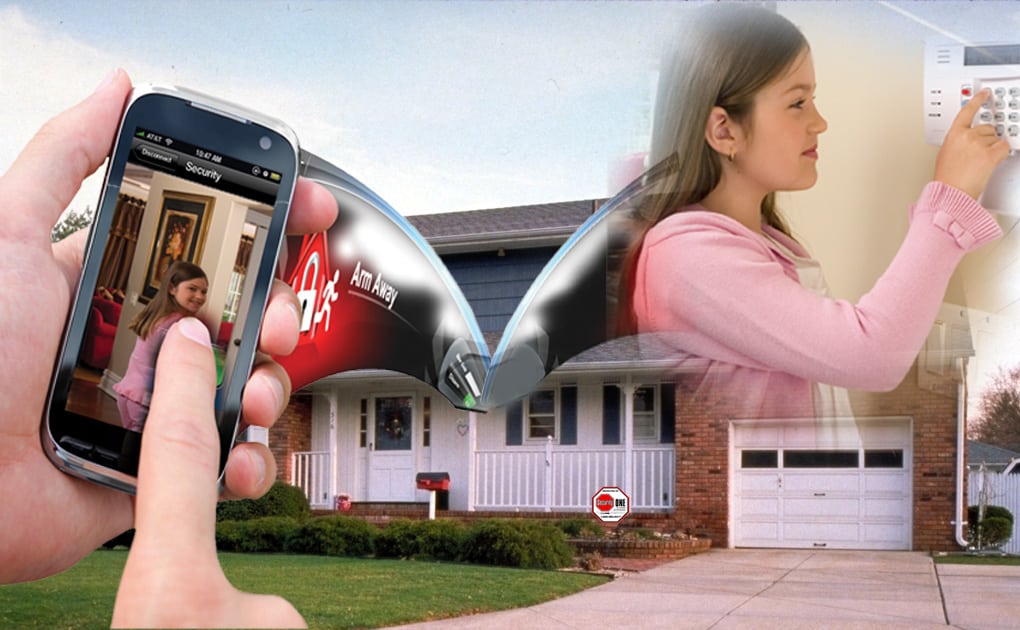
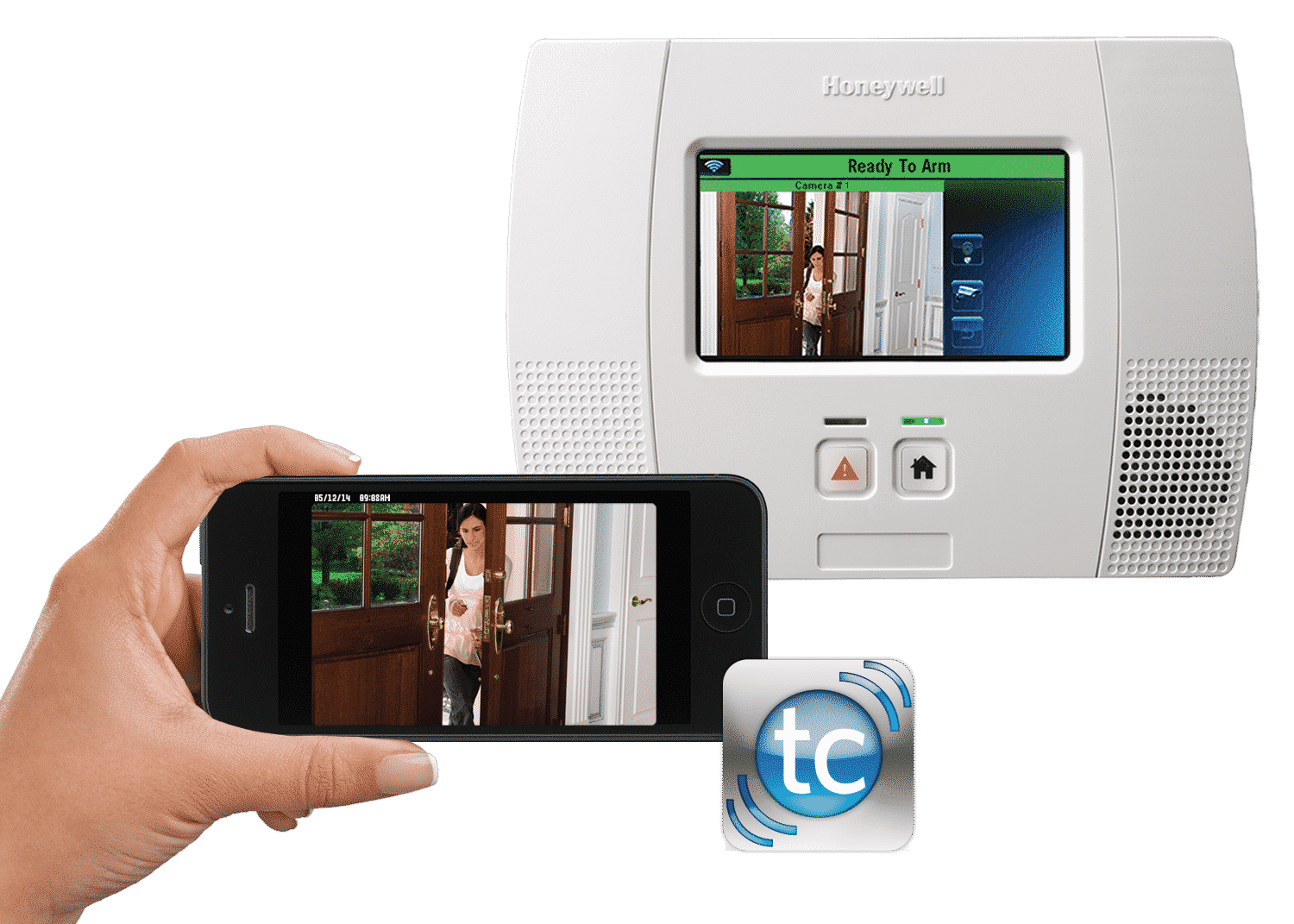
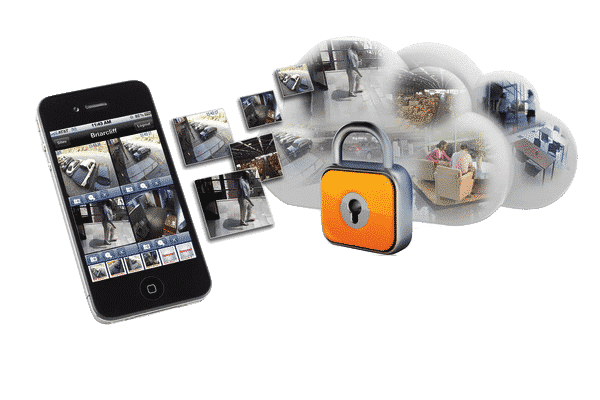
    Modern security systems can also be watched remotely from just about any location with an Internet connection. Did you know that you can watch your security cameras from your smart phone? With a smart home alarm system, it’s possible to do this and more. You can set your alarm, turn your lights on and off, adjust the temperature and even lock your doors from your phone, tablet or PC. You can even use the system to receive alerts and check in on your children when they arrive home from school. This sort of technology not only makes your home safer, but it also offers a higher level of convenience. At this busy time of year, anything that can save you time and provide peace of mind is a great idea.

    To monitor an existing system, or to see if the latest upgrades are right for you, call 1-800-265-5317 or just CLICK HERE.

  • Fall Safety Tips

    Fall Safety Tips

    Fall is here, the days have gotten shorter, the temperatures are cooler, and the leaves are starting to change colour. After a great summer, it’s time to get back into the swing of regularly scheduled household chores. It’s also the time to get ready for winter.
    Here are a few fall security tips and safety tips that will keep you safe and secure all season:

    Check your heating and cooling systems
    •  The air conditioner has been turned off or put away, its almost time to turn on the heat. Take this time to get your heating and cooling systems serviced and inspected. Make sure there are no electrical problems, cracked pipes or clogged filters. Damaged systems can cause serious problems including fires.

    2KIDDE-KN-COSM-IB-lf-lg
    Remember to check your smoke detectors
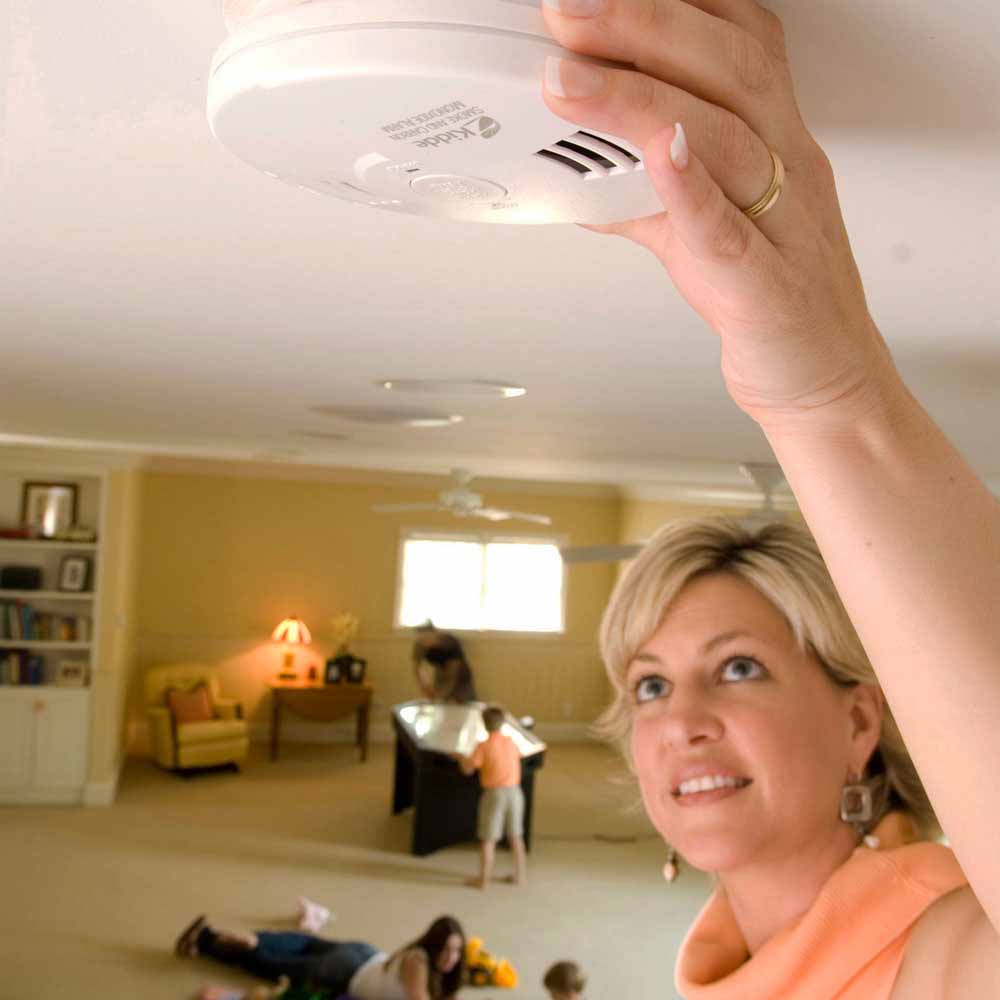
    •  We’ve turned back the clocks and now it’s time to check your smoke detectors and carbon monoxide detectors to make sure they’re working correctly. Doing so could save your life. This is a great opportunity to upgrade to monitored smoke detectors and carbon detectors on your security system for even greater security.

    Improve your lighting
    •  Criminals prefer to take advantage of the darkness when committing crimes. During this time of year, the days are shorter and the nights are longer. This means that there’s more darkness for criminals to work with. Installing motion-activated lighting on your property is an easy and cost-effective way to improve your security.

    rake

    Clean up your yard
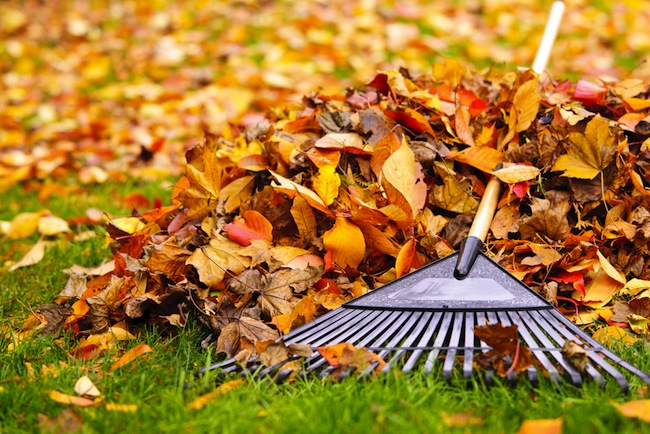
    •  Rake leaves, clean gutters and perform maintenance on your property before the winter arrives. Doing so will keep your home safer and reduce the risk of floods, clogged drains and other issues.

    Stock up on emergency supplies for winter
    •  Make sure you have shovels, ice salt and ice scrapers at home and in the car. It’s better to get them now before you need them than to be stranded without them during the first winter storm.

    By being proactive and taking some precautions, you can be sure to have a safe, happy and secure fall. Take advantage of our Fall Life Safety special – buy 2 wireless smoke detectors or carbon monoxide detectors, get 10% off! Call 1-800-265-5317 or just CLICK HERE.

  • All About Theft

    All About Theft

    All About Theft

    • 66% of break-in’s are forced entry and forced entry attempts
    • 34% of break-in’s are unlawful entry (without force)
    • In 2014, Saskatchewan had 8506 break-in’s (164/week)
    • Break-in’s occur in all areas of the City – not just the “bad areas”
    • Most Home break-in’s occur when you are at work or travelling (daytime)
    • Most Business break-in’s occur when you are at home (evening and weekends)
    • Cabin’s and Lake properties are especially attractive
    • 98% of break-in’s occur though main floor doors and windows (often unlocked)
    • Thieves target the Master Bedroom
    • Thieves steal:
      • Cash and Credit Cards
      • Jewelry
      • Designer clothes and sunglasses
      • Electronics such as TV’s, Stereos, Computers, Video Game systems, Smartphones and Tablets
      • Tools
      • Sporting Goods
      • Cars and Trucks or the contents in them
      • Building Materials
      • Alcohol and Prescription drugs
      • Your Identity

    Video Verification
    How to Prevent Theft

    • Use Common Sense
      • If you lose a key, get the locks changed.
      • Ask all strangers for identification.
      • Never hide an extra key outdoor – especially underneath a mat or on top of a light fixture. This is the first place the bad guys look. Leave an extra house key with a friend or a neighbor.
      • DO NOT advertise on Facebook or other social media that you are on vacation. If you want to post photos, then do it when you get home.
      • For insurance purposes take photos of the contents of your home.
      • Keep all receipts in a safe and easy to find location.
      • Write down the model and serial number of all electronics.
    • Make it Difficult
      • Door chains are easy to bypass. Install deadbolts.
      • Install a stopper or stick on all sliding doors and windows.
      • Install window bars on all basement windows.
      • Make sure all doors and windows are properly locked.
      • Keep your premises well lit at night.
      • Install timers that turn lights on at different times. This gives the appearance that someone is home.
    • Install a monitored security system 
      • 400% less likely to have a break-in.
      • up to 25% insurance discount.

    L_5200VI_D

    • In case you do have a break-in:
      • If it looks like a door or window was forced open, DO NOT go inside. The Burglar may still be on site.
      • Call the Police from your cellular phone or from a neighbor’s house and wait.

    To install a new security system, or to upgrade your existing system, call 1-800-265-5317, or just CLICK HERE.

  • Social Media

    Social Media

    Social networking sites

    Social networking sites are now a primary source for communicating and keeping in touch with friends and family. You share pictures, post updates and reveal all sorts of personal information about yourself – which makes these sites prime targets for criminal activity.

    Social-Media

    What are the risks?

    • Your personal information could be stolen by a cyber criminal, putting your identity and accounts at risk.
    • The personal information you share online could give cyber criminals enough to piece together your email address and password.
    • Cyber criminals could gain access to any account that has a password recovery service and use any saved information to make purchases.
    • Links in messages from cyber criminals posing as someone you know could be a part of a phishing attack trying to trick you into sharing personal information or contain malware that infects your computer.
    • Geotagged photos are photos that have geographical information, like your current location, added to them – and today, most smartphones and digital cameras have a function that automatically geotags all your photos unless you turn it off.  Geotags can expose where you live, when you’re traveling and even what car you drive, which could make you a target for robbery.
    • When you update your status with your whereabouts on a regular basis, you could tip someone off to your routine, and invite real-life threats like robberies, break-ins or stalking.
    • If you add “friends” you don’t know, you could become the victim of a scam.
    • Apps deleted from your account may not be fully deleted – the creator may still have access to your information.
    • If you don’t have a strong password, others could gain access to your profile and pose as you – and potentially send out spam or fake posts that are damaging to you.
    • Potential employers could search social networking sites to get a sense of your character. If you’ve uploaded damaging or embarrassing photos or posts to your social network account, you could hurt your reputation and your chances of employment.

    Three of the easiest things you can do to be sure of your privacy on social networking sites are:

    • Choose a strong password that you change often
    • Take the time to set your privacy setting to control who can see what
    • Always think carefully about any information you choose to share online

    iPhone4_held_TC20_blur

    To add our award winning app Total Connect to your your security system, call 1-800-265-5317, or just CLICK HERE.

  • Fire Planning

    Fire Planning

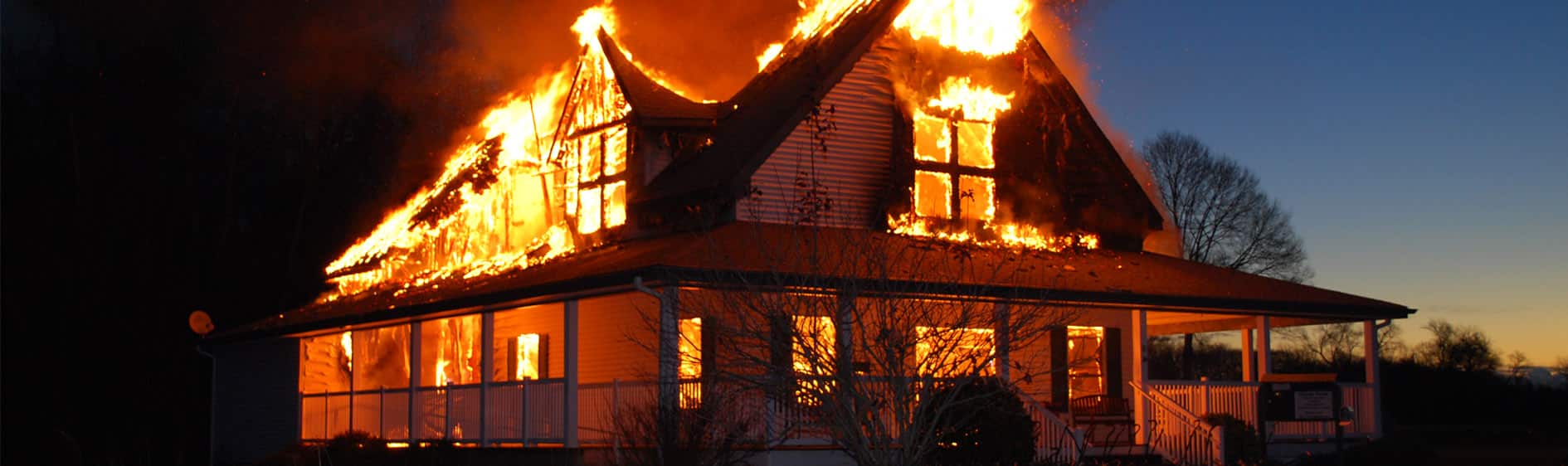
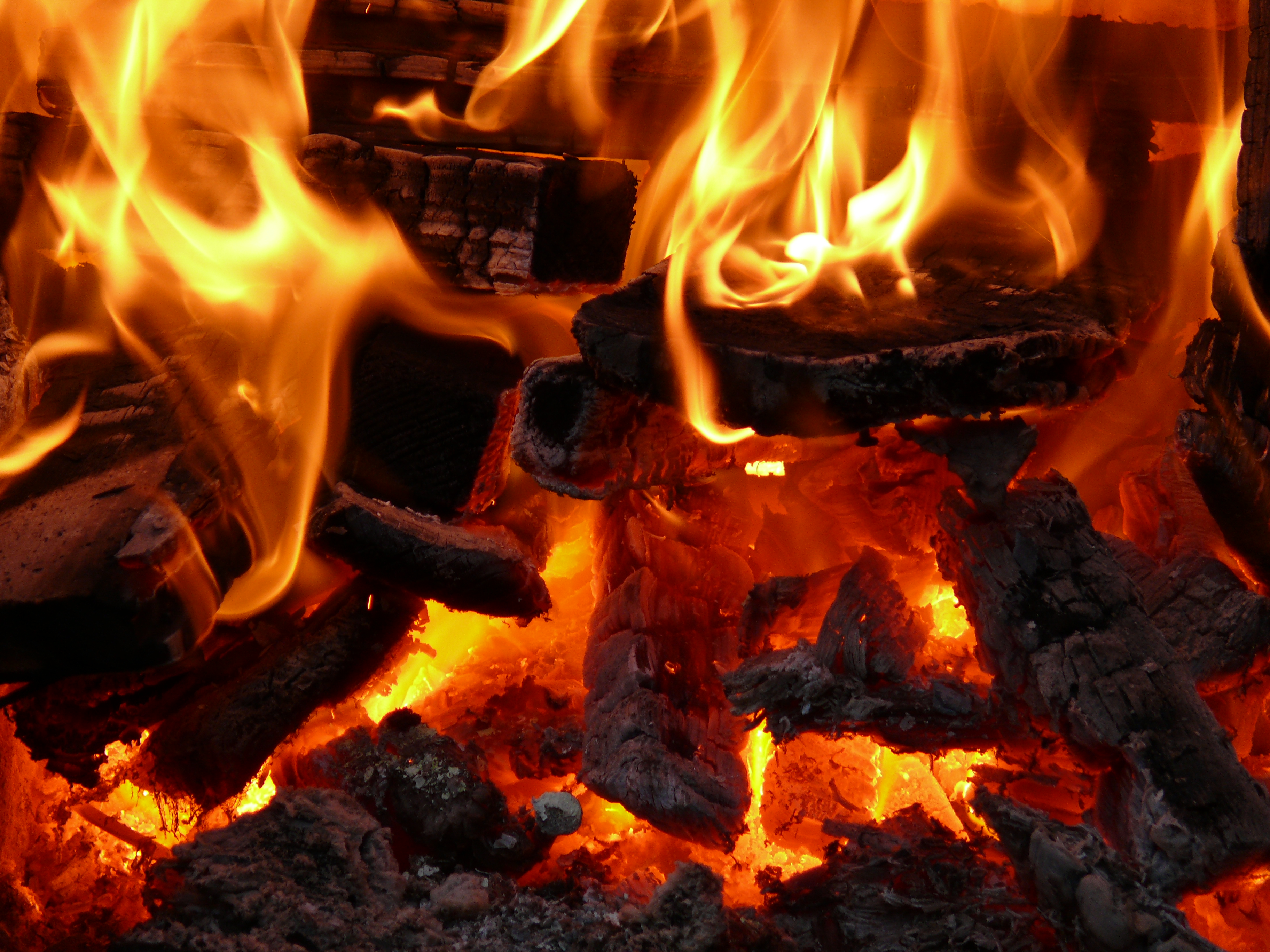
    Fires can happen anywhere. A fire in a large building creates an enormous risk to everyone. Other reasons for evacuating buildings include natural gas leaks, earthquakes, hazardous material spills and storms. Knowing what to do is the key to surviving a fire emergency. Conducting regular fire drills will give you the knowledge and confidence to escape a fire safely. There are two steps for a good evacuation program – planning and practice.
    Flames
    Growth and Speed of Fire
    The following is a timeline of an actual 2-story house fire. It will show you just how fast fire spreads:
    • :30 Fire ignites and grows rapidly.
    • 1:04 From first flame, fire spreads and smoke begins to fill room.
    • 1:35 Smoke layer descends rapidly, temperature exceeds 190°F.
    • 1:50 Smoke detector at foot of stairs alarms. Still time to get out.
    • 2:30 Temperature above couch over 400°F.
    • 2:48 Smoke pours into other rooms.
    • 3:03 Temperature three feet above floor in room of origin is over 500°F. (No one could survive.)
    • 3:20 Upstairs hall filled with smoke – Escape more difficult.
    • 3:41 FLASHOVER – Energy in room of origin ignites everything. Temperature is 1400°F.
    • 3:50 Two minutes after smoke detectors sounds, 2nd exit is only way out.
    • 4:33 Flames just now visible from exterior of house – first evidence of fire from outside. AT THIS POINT, RESCUE MAY NOT BE POSSIBLE.
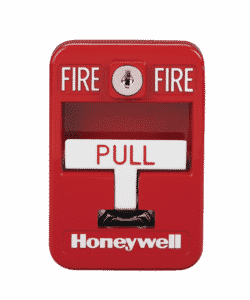
    Firealarmpullstation
    Planning
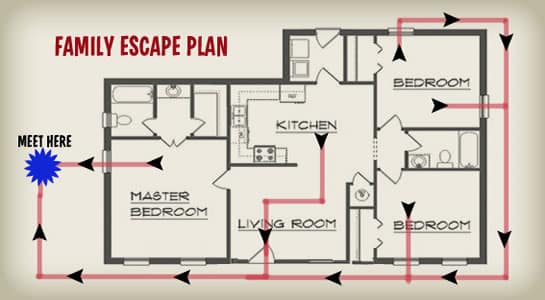
    Planning gives you the information you need ahead of time to evacuate safely. In the workplace, employees and supervisors should plan together for exiting their worksite. At school, involve all school staff including teachers, administrative and office workers, and the maintenance and food service staff. Working together, design an evacuation plan to meet the specific needs of your building and your occupants. Make the plan clear and concise. Review the plan and walk through the exit procedure to make sure that everyone knows what to do.
    Each building, whether it be a school, workplace or multi-family living unit, should have a posted exit diagram (plan) and everyone should be familiar with it.
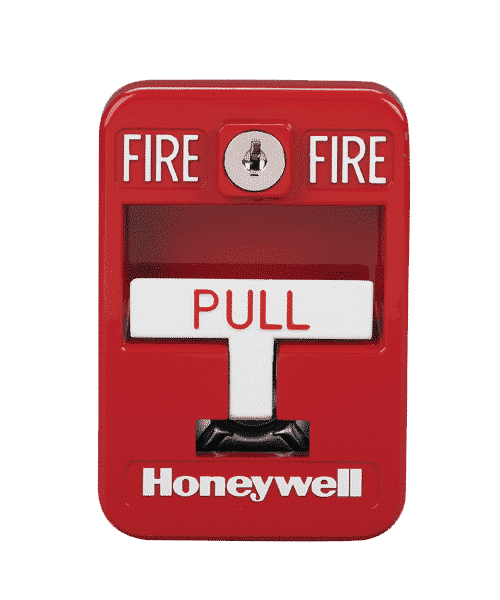
    Be sure that smoke detectors are installed and maintained. Know the sound of the fire alarm. Everyone should recognize and respond to the sound of the smoke detector or other fire alarm immediately. Immediate response is vital for a quick, orderly evacuation.
    Everyone should exit in an orderly manner to prevent confusion and minimize panic or injury. No one should push their way out an exit. Single file lines are best in controlling traffic to the exits.
    Consider special needs people. When developing your escape plan, remember that younger, older, or disabled people may need special assistance. Anyone with special needs should be located as close to an exit as possible. Train others to give special assistance with evacuation.
    Be sure to know two ways out. There should be two ways out of every area of the home, school, or workplace. If the primary exit is blocked by smoke or fire, use your second exit. Point out all emergency exits as you walk through the emergency procedure.
    Always use the stairways to exit multi-story buildings. Do not use an elevator. An elevator may stop between floors, or go to the fire floor and stop with the doors open.
    If a room or corridor is filled with smoke, crawl low on your hands and knees to exit. The cleaner air is closer to the ground.
    Plan your meeting place. A designated meeting place outside the building is a vital part of an evacuation plan. Count heads. Be aware of who is there (hopefully everybody will be accounted for) and who is not there. When the fire department arrives, you can report if there is anyone missing.
    Know what to do if you can’t escape. You’ll need to plan your actions in case immediate escape is impossible. If possible, for example, stay in a room with an outside window and always close doors between you and the fire. Think about what you could use – sheets, towels, curtains, or even large pieces of clothing – to stuff around cracks near the door and wave as a signal to rescuers. Know how to open the window to ventilate smoke, but be prepared to close the window immediately if an open window makes the room smokier. If there is a phone, call the fire department with your location, even if firefighters are already on the scene. Remember, stay low in smoke until you’re rescued.
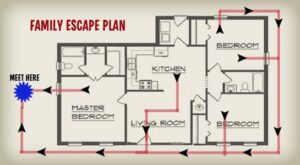
    HomeFireSafetyEscapePlanimage
    Practice
    After planning, practice to make sure that everyone knows what to do. Have fire drills. Practice your fire escape periodically throughout the year. Remember, the element of surprise simulates a real fire and adds essential realism to your fire drill program. Appoint someone to monitor the drill. This person will sound the alarm and make the drill realistic by requiring participants to use their second way out or to crawl low. This could be done by having someone hold up a sign reading “smoke” or “exit blocked by fire.” The monitor also will measure how long complete evacuation takes.
    Coordinate arrangements for fire drills in apartments or other multi-family homes, in schools or in workplaces with the local fire department.
    After the evacuation, take a head count at the designated meeting place(s) to account for everyone’s participation and safe evacuation.
    When everyone is back inside the building after the drill, gather everyone together to discuss any questions or problems that occurred during the drill. Redesign the drill procedures as needed. Make the next fire drill even more effective.
    Remember, once you are outside, stay outside. Don’t go back in until the proper authorities say it is okay.

    To learn more adding Smoke Detectors or Fire Monitoring to your security system, call 1-800-265-5317 of just CLICK HERE.

  • Fire Safety Tips

    Fire Safety Tips

    With the changing weather comes a host of to-do items around your home. Being aware of your surroundings will help keep you safe as the seasons change from fall to winter.

    Smart Smoke

    You should always be thinking fire safety around the house, but maybe a little more at this time of year, because we have more appliances to plug in. If you didn’t change the batteries in your smoke detector when you set your clocks back, do so! Make sure your family has a well rehearsed escape plan as well.

    Do a quick check around the house to make sure there are no flammable substances near your furnace that have been left out from a summer project.

    space-heater

    Don’t put your space heater too close to your bed, curtains, or furniture. Shut them off when you’re not using them, and never leave them unattended. Do not use them to dry off wet clothing like mittens or hats.

    If you have a chimney, make sure it totally clear so your fire can breathe. Do a quick visual inspection of the bricks on the outside to see that it is in good condition. Keep matched, lighters and candles away from children and pets.

    While doing your outside inspection, look for bad windowsills, loose shingles and slanting concrete. Check all the outdoor light fixtures, and clean your gutters or eaves troughs.

    2KIDDE-KN-COSM-IB-lf-lg

    Smoke Detectors should be installed on every floor, and should be changed every 5-7 years.

    To add monitored smoke detectors to your security system, call 1-800-265-5317 or just CLICK HERE.