WordPress on DigitalOcean

Blog

  • Why Your Security System Needs a Yearly Service Call

    Why Your Security System Needs a Yearly Service Call

    It works silently every day. That does not mean it always works perfectly.

    When your system was installed, everything was tested, tuned, and set up right. But security systems are not set-and-forget. Batteries drain slowly. Dust and cobwebs settle on lenses and sensors. Mounts shift. Software updates need to be confirmed. You may not notice many of them. They just quietly chip away at how well your system protects you.

    A yearly service visit catches all of it before it becomes a problem. Here is what actually gets done. 

    Batteries get replaced before they fail

    Your system has batteries in more places than most people realize: the main panel backup, door and window sensors, motion detectors, glass break sensors, and wireless keypads. Batteries do not fail all at once. They fade gradually, making devices less reliable over time. A backup panel battery that has not been replaced in a few years may not power your system through a power outage at all. That is often exactly when an intruder chooses to act. A service visit tests and replaces every battery before you are left exposed.

    Cameras and sensors get cleaned

    Outdoor cameras collect pollen, road dust, and grime year-round. A dirty lens does not look obviously dirty, but it reduces image clarity enough to affect your AI detection accuracy. Cobwebs are a particular problem. They blow in the breeze and trigger constant false motion alerts, which erode your confidence in the system over time. Sensors pick up dust too, which can affect detection range and trigger sensitivity. Everything gets physically cleaned during a service call.

    Every zone gets tested

    A proper service visit means walking your whole property: opening doors and windows, triggering motion detectors, running a full alarm test. This catches things that would otherwise go unnoticed for months. A sensor bumped during a renovation. A zone accidentally bypassed and never re-enabled. A motion detector shifted when someone cleaned around it. Your keypad would show everything normal. Your app would show the system armed. But your coverage would have a gap.

    A security system with untested zones is not a security system. It is a security system with unknown holes in it.

    Mounts, cables, and firmware get checked

    Camera mounts work themselves loose over time. A camera that has settled slightly off its original angle may no longer cover what it was designed to cover. Exterior cables degrade from UV and temperature cycling. Firmware updates need to be confirmed complete on every device. A technician checks all of it and corrects anything that has drifted since your last visit.

    The Security ONE Preferred Service Plan

    For $10 per month, Security ONE’s Preferred Service Plan gives you one fully covered service call per year with no trip charge and no labour fee, plus priority scheduling so you are not waiting weeks for an appointment. For less than the cost of a streaming subscription, you get the assurance that a trained local technician keeps your system in peak condition every year.

    • 1 free service call per year, no trip charge, no labour fee
    • Priority scheduling local tech, no call centre
    • $10/month

    Your system protects everything that matters. The Preferred Service Plan makes sure it is always ready to do its job.

    Contact us or visit securityonealarm.com to add the Preferred Service Plan to your account.

  • Construction Site Security in Ontario: How to Prevent Theft Before It Happens

    Construction Site Security in Ontario: How to Prevent Theft Before It Happens

    Ask any contractor in Ontario what keeps them up at night, and site theft is almost always part of the conversation.

    Tools go missing over the weekend. Copper gets stripped before installation. Equipment is tampered with overnight. By the time crews arrive, the issue has already happened, and the impact starts spreading through the project timeline.

    Construction site theft isn’t random. It tends to follow patterns. Sites are observed, vulnerabilities are identified, and timing is chosen carefully. The good news is that when you understand those patterns, you can design a system that actively works against them.

    The Real Cost of Construction Site Theft

    The immediate loss is easy to calculate. What’s often underestimated is everything that comes after.

    When something is stolen from a job site, the impact typically includes replacing materials or equipment, rescheduling work, and coordinating new deliveries. Crews may be delayed or reassigned, and the disruption can affect multiple trades working on the same timeline.

    Even a relatively small theft can create a chain reaction. A missing piece of equipment can delay one stage of the project, which then delays everything that depends on it. Over time, those delays add up and begin to affect budgets and client expectations.

    For builders running multiple sites, repeated incidents can quietly reduce profitability across several projects at once.

    Why Traditional Security Methods Fall Short

    Fencing and lighting remain standard on most construction sites, and they still serve a purpose. They create a visible boundary and remove some of the easiest opportunities for casual trespassing.

    The issue is that most modern site theft isn’t casual.

    A standard fence can be bypassed quickly by someone who has already decided to enter the site. Lighting can actually make it easier to work once access is gained. Motion lights and alarms may activate, but by that point, the person is already inside the perimeter.

    The limitation of these methods is that they focus on presence, not response. They indicate that something might happen, but they don’t actively stop it when it does. 

    Temporary Camera Systems Built for Construction Sites

    Modern construction security has shifted toward systems that are designed specifically for temporary environments.

    These camera setups are built to be deployed quickly and operate independently of site infrastructure. They typically use solar power with battery backup and connect through cellular networks, which removes the need for trenching or tying into unfinished electrical systems.

    Because they are self-contained, they can be installed in a matter of hours and repositioned as the job progresses. This flexibility matters on active sites where layouts change and new risk areas emerge over time.

    A well-designed setup usually focuses on a few key areas rather than trying to cover everything. Entry points, material storage zones, and high-value equipment locations are prioritized to ensure that the system is both effective and efficient.

    Proactive Video Monitoring: The Key Difference

    The biggest shift in construction security is not the cameras themselves. It is what happens when those cameras detect activity.

    Proactive monitoring introduces a real-time human response into the system. Instead of simply recording footage, activity is reviewed as it happens by a trained operator.

    When the system identifies movement during restricted hours, that activity is verified immediately. If it is not legitimate, action can be taken on the spot. This often includes issuing a live audio warning through on-site speakers and escalating to police if necessary.

    That moment changes the outcome.

    Someone entering a site expecting no resistance is suddenly confronted with a live voice and the knowledge that they are being actively monitored. In most cases, that is enough to stop the incident before anything is taken.

    This is the difference between documenting theft and preventing it.

    What to Ask Before Choosing a Provider

    Not every construction security setup is built the same way, and asking the right questions upfront can save a lot of frustration later.

    It is worth understanding how quickly a system can be deployed and whether it can operate independently of power and internet. Construction environments are unpredictable, and systems that rely on stable infrastructure tend to fail when conditions change.

    You should also clarify whether proactive monitoring is included and how response is handled. A system that only records activity provides limited value compared to one that actively intervenes.

    Finally, understanding how footage is stored and accessed ensures that you can retrieve what you need quickly if an incident does occur.

    Insurance and Risk Management Considerations

    Insurance providers are paying closer attention to construction site security than they have in the past.

    Policies increasingly reflect the expectation that reasonable deterrence measures are in place. In many cases, this includes some form of monitored surveillance, particularly for higher-value or longer-term projects.

    A properly monitored system provides more than just protection. It creates a documented record of events, including timestamps, activity verification, and response actions. This documentation can make a meaningful difference when submitting and supporting a claim.

    In some cases, it can also contribute to lower premiums or more favourable policy terms, particularly when combined with a history of reduced incidents. 

    Protect Your Work Sites Today

    If you’re running active job sites and want a clearer picture of your risk, a proper assessment is the best place to start. Our team at Security ONE works with builders across Ontario to design temporary camera and monitoring setups that match the realities of each site. We’ll walk the project with you, identify the highest-risk areas, and recommend a solution that fits your timeline and budget. Contact us to schedule a no-obligation construction site security assessment. 

  • AI Home Security Cameras in 2026: What Actually Matters

    AI Home Security Cameras in 2026: What Actually Matters

    Every camera on the market today claims to be “AI-powered.”

    For most homeowners, that label doesn’t mean much anymore. The features all sound similar, and the marketing tends to blur together. Person detection, smart alerts, and intelligent recording. On paper, everything looks advanced.

    The reality is that not all AI cameras perform the same way. The difference isn’t in the label. It’s in how accurately the system works day to day, and whether the alerts you receive are actually useful.

    What AI Actually Means in a Security Camera

    At its core, AI in a security camera is about object classification.

    Instead of reacting to any motion, the camera analyzes what it sees and determines whether it’s a person, a vehicle, an animal, or something else. That decision is what triggers (or filters out) an alert.

    A few years ago, this technology was inconsistent. Homeowners would receive constant notifications triggered by shadows, weather, or passing traffic. Over time, many people stopped paying attention to alerts altogether.

    In 2026, properly configured systems are significantly more accurate. The camera is no longer just detecting movement. It’s interpreting it. That shift is what makes modern systems far more usable.

    The Features That Actually Deliver Value

    Most residential systems rely on three core detection types. These are the features that do the majority of the work in a home environment.


    People detection

    It filters out background noise and focuses on human activity. Instead of being notified every time something moves, you’re only alerted when someone is actually on your property.


    Package detection

    Package detection has become increasingly relevant with the rise in home deliveries. It allows homeowners to know when something has been dropped off, and in some cases, when it has been removed.


    Vehicle detection

    Useful in specific scenarios, particularly for driveways or rural properties. In more urban settings, it needs to be configured carefully to avoid excessive alerts from passing traffic.

    What is the Real Benefit of AI-enabled security cameras? Fewer False Alerts

    The biggest improvement in AI cameras isn’t detection. It’s reduction.

    Older systems created noise. Notifications were frequent, inconsistent, and often irrelevant. That led to alert fatigue, where homeowners either ignored notifications or turned them off entirely.

    Modern systems, when properly installed and configured, significantly reduce that noise.

    Instead of dozens of alerts per day, you may only receive a handful. More importantly, those alerts tend to be meaningful. When your phone notifies you, there is a much higher likelihood that it’s something worth checking.

    This is what makes the system usable over time. A camera that produces reliable alerts becomes part of your routine. One that doesn’t eventually gets ignored.

    What to Be Careful Of

    Not every feature marketed under “AI” adds real value in a residential setting.

    Some capabilities sound impressive but don’t translate into practical use.

    • Facial recognition raises privacy concerns and is often less accurate than advertised
    • Predictive behaviour claims tend to overstate what the technology can realistically do
    • Emotional recognition has no meaningful application in home security
    • Ultra-high resolutions beyond 4K add storage cost without improving real-world usability

    In most cases, it’s better to invest in placement, low-light performance, and proper configuration rather than chasing feature lists.

    Getting the Setup Right

    Even the best camera can underperform if it’s installed poorly.

    Angle, height, and coverage area all influence how effectively the system can classify activity. A camera pointed too wide or too narrow can either miss important events or generate unnecessary alerts.

    Detection zones also play a major role. Being able to exclude sidewalks, neighbouring properties, or busy streets helps refine what the camera pays attention to.

    This is where professional setup makes a difference. The goal isn’t just to install cameras. It’s to make sure they are positioned and configured in a way that produces reliable results.


    If you’re considering adding or upgrading cameras, the best first step is understanding how they would perform on your specific property. At Security ONE, we help homeowners design camera systems that focus on real-world performance, not just features on a spec sheet. We’ll walk your property, recommend placement, and configure alerts so the system works the way it should from day one. Contact us to schedule a no-obligation security assessment. 

  • Security Cameras for Your Home: What You Actually Need to Know Before You Buy

    Security Cameras for Your Home: What You Actually Need to Know Before You Buy

    Security Cameras for Your Home: What You Actually Need to Know Before You Buy

    Walk into any big box store and you’ll find a wall of security cameras. They all look impressive on the box. They all promise crystal-clear footage, easy setup, and total peace of mind.
    Then you get them home, try to figure out the app, realize the night vision barely covers your driveway, and wonder if you bought the right thing.

    We’ve had this conversation with many homeowners. Here’s what actually matters when you’re choosing cameras for your home and why where they’re placed matters as much as what you buy.

    Resolution: HD Is the Starting Point, Not the Selling Point

    1080p HD is now the baseline, not something worth paying extra for. If you’re investing in outdoor cameras, look for 4K options or at a minimum 2K resolution. The difference matters when you need to zoom in on a face, a licence plate, or something happening 20 feet away.
    Lower resolution cameras produce footage that looks fine until you actually need to use it. That’s when clients wish they’d spent a little more.

    Night Vision: The Feature Most People Underestimate

    The majority of security incidents happen at night or in low-light conditions. That makes night vision capability one of the most important specifications to evaluate and one of the most misrepresented on retail packaging.

    Look for cameras with colour night vision or IR (infrared) range of at least 30 feet for outdoor use. Cameras marketed with vague terms like “night mode” often produce dark, grainy footage that’s essentially unusable.

    Indoor vs. Outdoor: They’re Not Interchangeable

    This seems obvious, but it surprises a lot of homeowners: indoor cameras are not weatherproof and will fail outside. Outdoor cameras need an IP65 or higher weatherproof rating, and ideally a wide operating temperature range — important in Southwestern Ontario winters.

    The right camera for your garage is different from the right camera for your back door, which is different from the right camera for your driveway. Placement and environment should drive the selection, not the other way around.

    DIY vs. Professional Installation: What Nobody Tells You

    DIY cameras are genuinely fine for some situations. But there are real trade-offs that retailers don’t highlight. Many rely entirely on your home WiFi, which means they go offline if your router restarts. Most record to the cloud, which means a subscription fee in perpetuity. And the app notifications? Great in theory, exhausting in practice when every passing car triggers an alert at 2 am.

    Professional installation means cameras are positioned for actual coverage — not just convenience. It means wired options where reliability matters. And it means someone who’s walked hundreds of properties knows which corners, which entry points, and which blind spots to prioritize.

    What a Good Camera System Actually Covers

    A properly designed residential camera setup typically covers: front door and porch, garage, driveway and street approach, back yard and rear entry, and any secondary access points (side gates, basement windows).

    Every home is different. The goal isn’t maximum cameras, it’s no blind spots in the areas that matter.

    Get a Free Camera Assessment — We’ll Walk Your Property With You

    Our Southwestern Ontario technicians will assess your home’s layout, identify the coverage gaps, and recommend exactly what you need — no more, no less. No pressure, no package upsell. Just an honest look at what will actually work for your home.

    Book your free residential camera assessment at securityone.ca or call 1-800-265-5317. Serving homeowners across London, Chatham, Leamington, and Windsor.

  • Why Your Business Alarm System Isn’t Enough on Its Own (And What to Do About It)

    Why Your Business Alarm System Isn’t Enough on Its Own (And What to Do About It)

    If your business has an alarm system, you’re already ahead of a lot of operators. You’ve taken the first step. But here’s the thing most security companies won’t tell you upfront: a standalone alarm is rarely enough.

    It’s not a criticism, it’s just the reality of how commercial security has evolved. Modern threats, increased foot traffic, employee turnover, and the rise of after-hours crime have all changed the picture. What was reasonable coverage five years ago may leave meaningful gaps today.

    Let’s walk through what a complete business security solution actually looks like and how you can get there without starting from scratch.

    The Problem With Alarm-Only Coverage

    An alarm system does one thing well: it signals that something may have gone wrong. It doesn’t deter people who know police response times. It doesn’t tell you who entered or exited your building during business hours. It doesn’t give you footage to work with if a theft happens during the day. And in many cases, without verified monitoring, police response is slower than you’d expect.

    A modern business security strategy layers multiple systems together so each one supports the others.

    Layer 1: Professional Monitoring That Actually Responds

    Not all monitoring is equal. With professional commercial monitoring, trained operators verify alarms before dispatching, which means police prioritize your call differently than an unverified alert. Faster response. Less ambiguity. Better outcomes.

    This matters especially for after-hours incidents, when you’re not on-site to assess what happened.

    Layer 2: Cameras That Work for You, Not Just Record Against You

    Security cameras in a business context serve multiple roles: deterrence, documentation, and liability protection. Modern HD commercial cameras with remote viewing let you check in on your business from anywhere. And when an incident does occur, you have clear, timestamped footage to work with.
    One of the most common regrets we hear from business owners is: “I had cameras, but they were in the wrong spots.” Placement matters as much as the equipment itself.

    Layer 3: Access Control: Know Who’s Coming and Going

    Keys get copied. Codes get shared. Former employees remain a risk long after they’ve left. Access control systems replace that uncertainty with accountability, electronic entry logs, permission levels you can change instantly, and the ability to revoke access remotely.

    For businesses with multiple employees, contractors, or high-value inventory, access control isn’t a luxury. It’s just smart operations.

    The Local Advantage: Why It Matters for Business Security

    When something goes wrong at your business, you don’t want to be on hold with a national call centre. Security ONE has technicians based in London, Chatham, Leamington, and Windsor, which means fast response times, local knowledge of your area, and a real person you can actually reach when you need one.

    We only do security. That focus means our commercial clients get advisors who understand the specific risks businesses in Southwestern Ontario actually face, not a generic package built for somewhere else.

    Already Have a System? Let Us Take a Look — Free.

    A free business security review from Security ONE isn’t a sales pitch it’s an honest assessment of what you have, what’s working, and where the gaps are. We’ll give you a clear picture and real options, whether you’re looking to add to an existing system or start fresh.

    Book your free commercial security review at securityone.ca or call 1-800-265-5317. Proudly serving businesses across London, Chatham, Leamington, and Windsor.

  • Access Control vs. Keys: Why More Ontario Businesses Are Making the Switch

    Access Control vs. Keys: Why More Ontario Businesses Are Making the Switch

    Access Control vs. Keys: Why More Ontario Businesses Are Making the Switch

    Physical keys have been the default for business access for so long that most owners don’t stop to question them. You hand out keys when someone starts. You hope they give them back when they leave. You change the locks occasionally when you remember to or when something happens that makes you realize you should have.

    It’s a system built entirely on trust and hope. And in a business environment, that’s not really a security strategy.
    Access control electronic, keyless entry systems have become the standard for businesses that take their security seriously. Here’s what’s actually driving the shift, and what it means for businesses like yours.

    The Real Problem With Keys

    Keys are physical objects. They get copied. They get lost. They get lent to a family member who lent them to someone else. When an employee leaves, especially one who didn’t leave on great terms, you have no way of knowing how many copies of your key exist or where they are.

    Rekeying a commercial property every time an employee turns over isn’t a real solution. It’s expensive, disruptive, and easy to put off. And every day you put it off is a day your building is accessible to people who no longer have authorization to be there.

    What Access Control Actually Does

    At its core, an access control system replaces physical keys with electronic credentials, such as key fobs, access cards, PIN codes, or mobile-based entry. Each credential is tied to a specific person, with specific permissions you define.
    When a credential is used, it creates a log: who entered, where, and when. When an employee leaves, you revoke their access from a computer in seconds no locksmith, no rekeying, no hoping they turned in their copy.

    That log also becomes invaluable in other ways verifying timesheets, investigating incidents, or simply knowing who was in the building on a given day.

    Permission Levels: Not Everyone Needs Access to Everything

    One of the underappreciated advantages of access control is granularity. A retail employee doesn’t need access to the back office. A part-time contractor doesn’t need after-hours building entry. A delivery person should be able to reach the receiving area, not the server room.

    Physical keys don’t make these distinctions easily. Access control makes them effortless. Set permissions once, adjust as roles change, and have a clear record at all times.

    Integration With Your Broader Security System

    Access control is even more powerful when it’s integrated with your cameras and alarm system. An access event at an after-hours door can automatically trigger a camera recording. An unauthorized entry attempt can immediately alert your monitoring service.

    When your systems work together, you get a complete picture not just individual alerts that require you to piece together what happened after the fact.

    It’s More Affordable Than Most Business Owners Expect

    The number one reason businesses delay moving to access control is an assumption that it’s expensive and complicated to install. In practice, modern systems are designed to be scalable, you can start with a single door and expand as needed.

    The cost of rekeying, the liability of an uncontrolled breach, and the lost productivity of chasing down missing keys often add up to more than a proper system would cost to install and run.

    Find Out What Access Control Would Look Like for Your Business 

    Security ONE installs and services access control systems for businesses across London, Chatham, Leamington, and Windsor. We’ll assess your building, walk through your current access points, and give you a clear proposal — no obligation, no pressure.

    Book your free access control assessment at securityone.ca or call 1-800-265-5317. Local technicians. Local knowledge. Only security.

  • Here’s How to Protect Your Home Before It Costs You

    Here’s How to Protect Your Home Before It Costs You

    Spring Is Coming And So Is Water Damage Season. Here’s How to Protect Your Home Before It Costs You

    For most Southwestern Ontario homeowners, spring means warmer days, melting snow, and a general sense that the hardest part of the year is behind you. And in many ways, it is. But spring also brings something less welcome: the single highest-risk season for water damage in Canadian homes.

    Snowmelt, saturated ground, heavy spring rainfall, and sump pumps running harder than they have in months — it’s a combination that sends water into basements, behind walls, and under floors every year across Ontario. And most of the time, homeowners don’t find out until the damage is already done.

    Here’s what the numbers say about how serious this has become, where the real risks actually come from, and what a surprisingly simple addition to your home security system can do to keep you ahead of it.

    The Numbers Are Getting Harder to Ignore

    2024 was the most expensive year for severe weather-related losses in Canadian history, according to the Insurance Bureau of Canada with flooding alone contributing to over $1 billion in damages. That number climbed further in 2025, with Allstate Canada reporting that water damage claims from external flooding nearly doubled year over year.

    Water damage is now one of the top reasons Canadian homeowners file home insurance claims. The cost to repair a water-damaged basement has risen by nearly 20 per cent since 2019 — and the average basement flood claim now sits around $43,000. Many standard policies default to limits well below that.

    Here in Southwestern Ontario, these aren’t abstract statistics. The same saturated conditions, overwhelmed sewer systems, and aging home infrastructure that are driving claims nationally affect homes right here. And with 1 in 10 Canadian homeowners having already dealt with basement flooding, the odds that this touches someone you know or your own home are real.

    Why Spring Is the Highest-Risk Season

    The combination of factors that converge in spring is what makes it uniquely dangerous. Frozen ground thaws unevenly, meaning snowmelt has nowhere to go before the soil can absorb it. Sump pumps that have been dormant all winter are suddenly asked to run continuously — and if one fails at 2 am on a wet night in April, the results are immediate and expensive.

    Spring is also when ground-level water pressure against your foundation is at its highest, when gutters blocked by winter debris overflow directly against the house, and when drainage systems strained by months of frozen ground are most likely to back up.

    Add a heavy spring rain to any one of those conditions, and you have the scenario that insurance adjusters see play out dozens of times every spring across Ontario.

    The Damage That Catches Homeowners Off Guard

    The most costly water damage is rarely the dramatic kind a burst pipe spraying water across the room. More often, it’s the slow kind: a sump pump that fails overnight, a slow seep along the foundation that goes undetected for days, a water heater connection that drips behind the unit for weeks before the floor gives way.

    These are the scenarios where early detection makes a dramatic difference. The gap between catching a leak in the first hour and discovering it three days later can be the difference between a shop-vac and a full remediation crew and between a manageable insurance claim and a major disruption to your home and family.

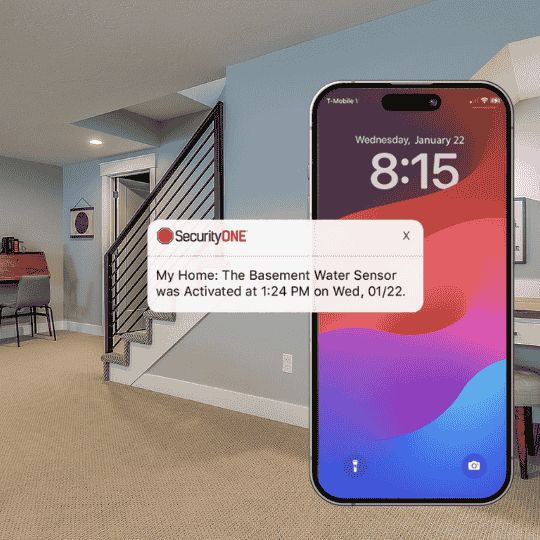
    Water Protection with phone notification

    What a Water Sensor Actually Does

    Water sensors are small devices placed at high-risk points throughout your home  near the sump pump, under the water heater, behind the washing machine, below the main water shutoff, and at floor level in the basement. The moment one detects moisture, it sends an alert.
    On its own, that’s useful. Connected to your monitored home security system through our water tile integration, it becomes something significantly more powerful: a 24/7 early-warning system that alerts both you and our monitoring centre the moment water is detected — regardless of whether you’re home, awake, or have your phone nearby.

    If you’re away for a weekend and your sump pump fails Saturday night, you’ll know about it within minutes — not when you arrive home Sunday evening to a flooded basement.

    Where to Place Water Sensors in a Southwestern Ontario Home

    Every home is different, but the highest-value placement locations for water sensors in most Ontario homes follow a consistent pattern. The sump pump pit is the single most important location sump failure is one of the leading causes of spring basement flooding, and a sensor here gives you maximum warning time. Near the water heater and furnace is equally important, as both involve water connections that degrade over time and are often installed in locations that aren’t checked regularly.

    Under the kitchen and bathroom sinks, behind the refrigerator if you have an ice maker line, and along the basement perimeter near foundation walls round out a comprehensive setup for most homes. A walk-through with one of our technicians will identify the specific placement that makes sense for your layout.

    Worth a Conversation With Your Broker

    Standard home insurance policies in Canada often cover sudden and accidental water damage but exclude damage from gradual leaks, seepage, or flooding that wasn’t detected promptly. The distinction matters enormously when you’re filing a claim: if an adjuster determines that a slow leak was present for an extended period before discovery, coverage can be reduced or denied.

    Monitored water detection creates a documented early-warning record that strengthens your position significantly. Some insurers also offer premium reductions for homes with leak detection systems installed worth confirming with your broker when you add this protection.

    This Is One of the Most Cost-Effective Upgrades You Can Make

    Compared to virtually any other home protection measure, monitored water sensing offers an exceptional return. The sensors themselves are inexpensive, installation is straightforward as part of your existing security system, and the potential cost of a single prevented claim, even a modest one, dwarfs the cost of the protection many times over.

    Spring is the right time to do this. Not after the first heavy rain of the season. Not after your neighbour’s basement floods, and it reminds you. Now, while there’s still time to have everything in place before the snowmelt arrives and the sump pump starts working overtime.

    Don’t Wait for Spring to Tell You There’s a Problem

    Security ONE can add water leak monitoring to your existing home security system — or include it as part of a new setup. Our Southwestern Ontario technicians will walk your home, identify the highest-risk locations, and have everything connected to professional 24/7 monitoring so you’re protected before the season changes.

    Book your free home assessment at securityone.ca or call us at 1-800-265-5317. Serving homeowners across London, Chatham, Leamington, and Windsor. 

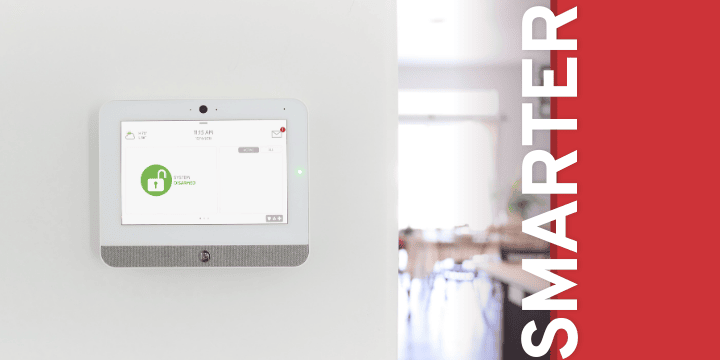
  • Introducing the Smartest Panel We’ve Ever Installed

    Introducing the Smartest Panel We’ve Ever Installed

    Exclusively available to Security ONE customers at 50% off for a limited time.

    Introducing the Qolsys IQ Panel 5:  And Why Now Is the Perfect Time to Upgrade

    If you’ve been a Security ONE customer for a while, chances are your security panel has been quietly doing its job in the background: arming when you leave, disarming when you come home, alerting us when something triggers. That reliability is exactly what it’s supposed to do.

    But home security technology has taken a significant leap forward, and the panel sitting on your wall may be a generation or two behind what’s now possible. Today, we’re excited to introduce the Qolsys IQ Panel 5, the newest and most capable security panel we’ve ever offered, and share some news for existing customers who’ve been with us for a while.

    What Is the Qolsys IQ Panel 5?

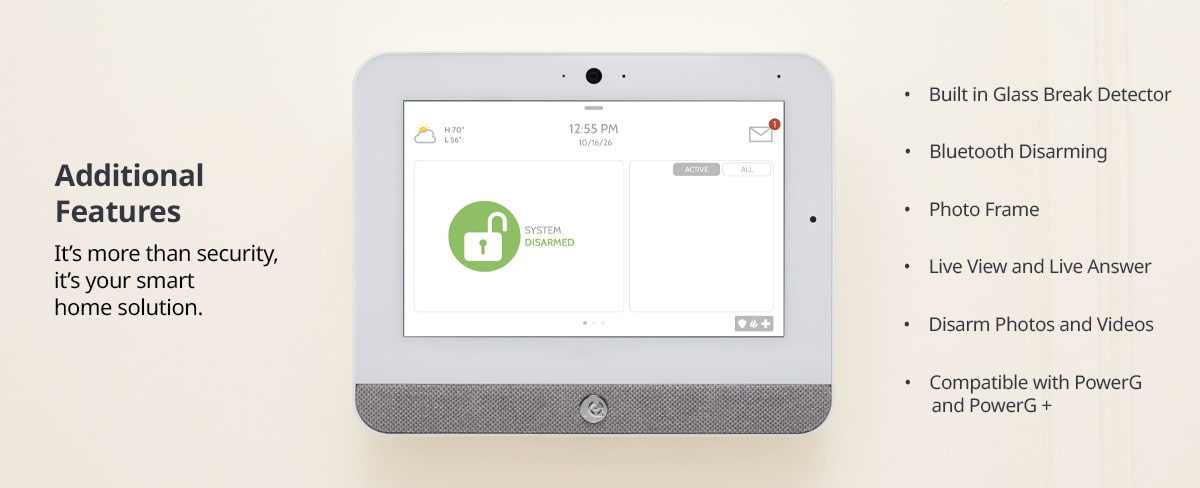
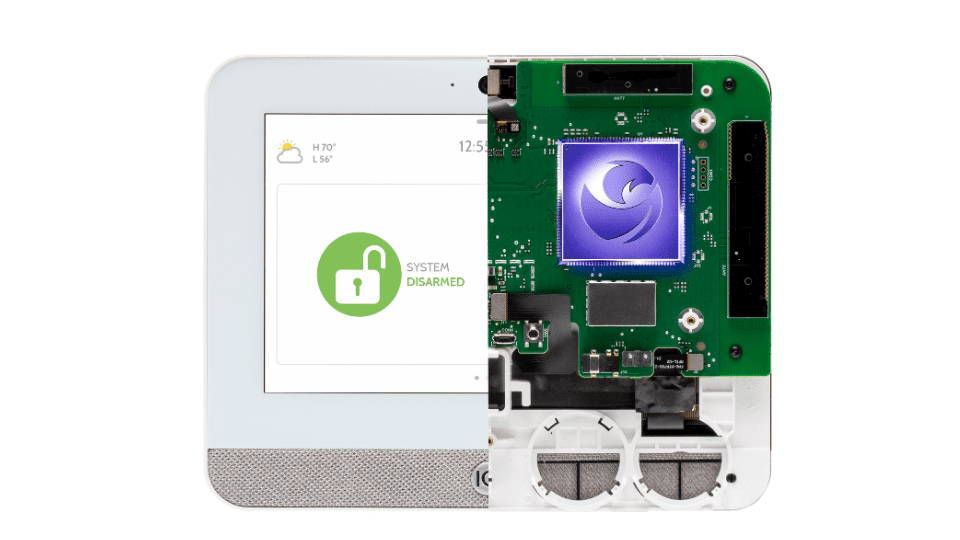
    The IQ Panel 5 is the latest generation of Qolsys’s flagship smart security platform, announced at ISC West 2025 and now available through SecurityONE. It’s built on a Qualcomm DragonWing quad-core processor running Android 14, the same class of hardware that powers modern smartphones, which means faster performance, a smoother interface, and a platform designed to receive software updates and stay current for years to come.

    This isn’t a cosmetic refresh. The IQ Panel 5 represents a genuine generational upgrade in processing power, connectivity, reliability, and smart home integration.

    A 7″ Touchscreen That Actually Feels Modern

    The IQ Panel 5 features a full 7-inch capacitive touchscreen, the same responsive, fluid technology in your smartphone or tablet. If you’ve used an older security panel and noticed a lag when arming, a sluggish menu, or a display that looks dated, you’ll notice the difference immediately.

    The interface is clean, intuitive, and fast. Arming modes, camera feeds, sensor status, and smart home controls are all accessible from one central screen with a visual experience that matches the quality of the rest of your home.

    More Than Just a Panel

    One of the most significant additions to the IQ Panel 5 is its integrated 13-megapixel PortraitView camera, equipped with a 120-degree wide-angle lens. This isn’t a novelty feature it serves real security functions.

    When the system is disarmed, the camera can capture and log a photo of who’s coming in. When an alarm triggers, it documents the moment automatically. For families with children coming home from school, for homeowners who share their space with cleaners or contractors, and for anyone who wants a visual record of activity at their panel, this is a meaningful upgrade over older systems that offer no visual context at all.

    Built-In PowerG+ for Better Range, Better Reliability

    Every IQ Panel 5 comes with PowerG+ wireless technology built directly into the panel — no daughter cards, no add-ons, no optional upgrades. PowerG+ is an industry-leading encrypted wireless protocol that provides exceptional range (sensors can communicate reliably from much further away than standard systems) and two-way communication that confirms every signal was received.

    What this means in practice: fewer missed sensor events, more reliable communication across larger homes or homes with thick walls, and a wireless system that’s genuinely harder to interfere with. For homes where older wireless systems have had spotty sensor reliability, PowerG+ is a notable improvement.

    Smart Home Integration: Z-Wave 800, Zigbee, and Bluetooth 5.0

    The IQ Panel 5 supports the latest generations of all three major smart home wireless standards. Z-Wave 800 Series with Long Range allows the panel to communicate with smart locks, thermostats, lights, garage door openers, and hundreds of other compatible smart home devices — from greater distances than previous generations.

    Zigbee support adds compatibility with a wide range of additional smart devices, and Bluetooth 5.0 enables touchless disarming — walk through the door with your phone and the system recognizes you without requiring you to enter a code.

    If you’ve wanted your security system and your smart home devices to actually work together as one unified experience rather than separate apps and separate systems, the IQ Panel 5 is built for exactly that.

    inside the new IQ5 security panel

    Dual-Path Connectivity — Reliability You Can Count On

    The IQ Panel 5 connects to our monitoring centre via both LTE cellular and dual-band Wi-Fi simultaneously. If your internet goes down, the cellular connection maintains the link. If there’s a cellular disruption, Wi-Fi keeps you covered.
    For homeowners whose previous system relied on a single communication path — or worse, a traditional phone line — this dual-path approach is a meaningful upgrade to the reliability of your protection.

    Who Should Be Thinking About Upgrading Right Now?

    If you’re currently running an older DSC, Honeywell, or early-generation Qolsys panel, the IQ Panel 5 represents a significant leap in capability, reliability, and user experience. These older systems were solid for their time, but they were built on hardware and software architectures that are now a decade or more old  and many are no longer receiving feature updates or manufacturer support.

    Specifically, if your current panel has any of the following characteristics, it’s worth having a conversation with us about upgrading: a numeric keypad rather than a touchscreen, no smartphone app integration or remote arming, a system that communicates via a phone line rather than cellular or Wi-Fi, or a panel that was installed more than seven to ten years ago.

    Ready to See What the IQ Panel 5 Would Do for Your Home?

    Our Southwestern Ontario technicians will review your current system, walk you through the upgrade, and give you a clear picture of your options — with no obligation and no pressure. We’ve been protecting homes across London, Chatham, Leamington, and Windsor for years, and this is the best panel we’ve ever had to offer our customers.

    Book your free IQ Panel 5 upgrade assessment at securityone.ca or call us at 1-800-265-5317. Proudly serving London, Chatham, Leamington, and Windsor.

  • Is Your Home Actually Secure? 5 Signs It’s Time to Upgrade Your Security System

    Is Your Home Actually Secure? 5 Signs It’s Time to Upgrade Your Security System

    Most homeowners who call us don’t do it because something went wrong. They call because something shifted — a break-in down the street, a news story that hit a little too close to home, or the quiet realization that the alarm system they installed years ago isn’t exactly keeping pace with the world outside.

    If you’ve had that feeling, you’re not being paranoid. You’re being smart.
    Here are five signs your home security system may be overdue for a closer look — and what a modern setup can actually do for your peace of mind. 

    1. Your System is More Than 5–7 Years Old

    Security technology has moved fast. Systems installed even five years ago are often missing features that are now standard things like remote arming and disarming from your phone, motion-triggered camera alerts, and smart integrations that let everything work together.

    Older systems aren’t necessarily broken. But they may be leaving real gaps you don’t know about. An assessment costs nothing and tells you exactly where you stand.

    2. You Don’t Have Cameras — Or Your Cameras Are Low-Res

    Cameras are now one of the most requested home security features we install, and for good reason. Modern HD and 4K cameras give you real visibility: who’s at the front door, what’s happening in the driveway, and what occurred at 2 am if something triggers overnight.

    If you’re still running older cameras that produce grainy, unusable footage, you essentially have the false comfort of surveillance without the actual benefit of it. Clear footage matters — both as a deterrent and as evidence if something does happen.

    3. Your System Isn’t Professionally Monitored

    Self-monitoring through a phone app puts the entire burden on you 24 hours a day, 7 days a week. That’s fine when you’re awake and paying attention. It’s not fine at 3 am when you’re asleep, or when you’re travelling, or when your phone is off.

    Professional monitoring means trained operators are watching on your behalf around the clock. When something triggers, they verify and respond whether that’s contacting you, dispatching police, or both. It’s the difference between an alarm that makes noise and a system that actually does something.

    4. You’ve Had Changes at Home

    A New Baby, an Aging Parent, a Dog Door. Life changes, and your security system should keep up. Adding a family member, renovating, installing a pet door, finishing a basement all of these can create gaps that weren’t there before.

    A quick walk-through by one of our technicians can catch the things you might not think to look for. It’s not about selling you more equipment it’s about making sure what you have actually covers what you need to protect.

    5. You Just Have a General Uneasy Feeling

    That gut feeling matters. When clients tell us “I just don’t feel like we’re as safe as we should be,” nine times out of ten, a quick assessment confirms there are real, fixable gaps.

    Sometimes it’s a door sensor that was never installed on the back entry. Sometimes it’s cameras that don’t cover the side yard. Sometimes it’s just the reassurance that everything is working exactly as it should be. You shouldn’t have to wonder

    See Exactly Where You Stand. Book a Free Home Security Assessment

    Our Southwestern Ontario technicians will walk your property, assess your current setup, and give you a clear picture of what’s protecting you and what’s not — with zero pressure and zero cost. We only do security. That means we know it well, and we’ll give you an honest answer.

    Book your free home security assessment at securityone.ca or call us at 1-800-265-5317. Serving homeowners across London, Chatham, Leamington, and Windsor.

  • How AI and Analytics Are Transforming Commercial Security in 2026

    How AI and Analytics Are Transforming Commercial Security in 2026

    Commercial security has changed dramatically in recent years. What was once a reactive system focused on recording incidents is now becoming a proactive, data-driven tool for preventing them. In 2026, artificial intelligence and advanced analytics are reshaping how businesses protect their properties, employees, and assets.

    Instead of simply capturing video or triggering alarms, modern security systems now analyze behaviour, identify risks in real time, and support faster, more informed responses. For commercial property owners and managers, this shift offers stronger protection, better operational insight, and improved risk management. 

    From Passive Monitoring to Active Intelligence

    Traditional security systems were designed to observe and alert. Cameras recorded footage, alarms sounded locally, and security teams responded after an incident occurred. While this approach provided basic protection, it left businesses reacting to problems rather than preventing them.

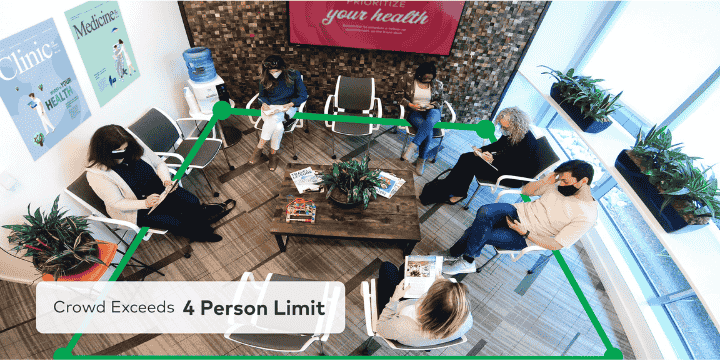
    AI-powered security systems change that dynamic. Today’s cameras and sensors can detect specific types of activity such as people loitering, vehicles entering restricted areas, or movement during closed hours. These systems can distinguish between normal behaviour and potential threats, allowing security teams to respond before incidents escalate.

    This proactive capability reduces both response time and the likelihood of serious damage or loss.

    Smarter Video That Understands What It Sees

    Modern video systems are no longer just recording devices. They use AI to interpret what is happening within the frame. Instead of triggering alerts for every movement, analytics focus on meaningful activity.

    For example, a camera can now recognize the difference between a person, a vehicle, and an animal. It can identify when someone is approaching a restricted entrance after hours or lingering in a sensitive area. This reduces false alarms and ensures that security teams are notified only when there is a genuine concern.

    For commercial properties with large footprints, multiple access points, or high traffic areas, this level of intelligence improves both efficiency and accuracy.

    Faster, More Reliable Incident Response

    AI and analytics help streamline how incidents are handled. When a system identifies suspicious activity, it can automatically trigger predefined responses such as activating lighting, sending alerts to monitoring centres, or recording high-resolution footage.

    This automation allows security personnel to focus on decision making rather than manual monitoring. It also ensures that critical information is available immediately, which supports faster emergency response and better coordination with law enforcement or fire services.

    For businesses operating overnight or across multiple locations, this speed and consistency are especially valuable.

    Reducing False Alarms and Operational Disruption

    False alarms cost time, money, and credibility. They can lead to unnecessary emergency dispatches, employee disruption, and even fines in some municipalities.

    AI analytics help reduce false alarms by filtering out routine activity such as passing traffic, weather movement, or scheduled cleaning crews. Only verified, high-risk events trigger alerts.

    This not only improves response quality but also strengthens relationships with emergency responders and reduces internal disruptions for businesses.

    Business Anlytics

    Improved Visibility for Property Managers

    Commercial property managers are responsible for maintaining safe, efficient environments for tenants, employees, and visitors. AI-driven security systems provide valuable insights that go beyond traditional protection.

    Analytics can reveal patterns such as frequent after-hours access, underused entry points, or recurring security concerns in specific areas. This data helps managers make informed decisions about staffing, lighting, access control, and building operations.

    Security becomes a source of actionable intelligence, not just a defensive tool.

    Stronger Protection for High-Risk Environments

    Certain commercial environments face higher security risks, including warehouses, construction sites, retail centres, and industrial facilities. These locations often deal with valuable assets, large outdoor areas, and limited overnight staff.

    AI-powered monitoring allows these sites to maintain constant oversight without relying on physical guards alone. Intelligent cameras can detect perimeter breaches, unauthorized vehicle access, and suspicious behaviour in real time.

    When paired with professional monitoring, these systems provide a cost-effective alternative to traditional overnight security while delivering stronger, more consistent coverage.

    Supporting Compliance and Risk Management

    Commercial properties in Ontario must meet various safety and compliance standards related to fire protection, access control, and building security. AI-enabled systems help support these requirements by improving documentation, reporting, and incident verification.

    High-quality video evidence, automated logs, and detailed analytics reports provide clear records for audits, insurance claims, and regulatory reviews. This reduces administrative burden and strengthens a business’s risk management position.

    In the event of an incident, accurate data can also protect businesses from liability disputes by providing objective, time-stamped evidence.

    Enhancing Integration Across Security Systems

    AI and analytics are most powerful when integrated across multiple security layers. Modern platforms combine video surveillance, access control, intrusion detection, and environmental monitoring into a single, intelligent system.

    This integration allows for coordinated responses. For example, if an alarm is triggered, cameras can automatically focus on the affected area, lighting can activate, and monitoring centres can receive real-time visuals.

    For commercial operators, this unified approach simplifies management and improves overall security performance.

    Human Oversight Remains Essential

    While AI improves detection and efficiency, human judgement remains critical. Trained monitoring professionals interpret context, make decisions, and coordinate emergency response.

    AI identifies potential threats. People manage the response.

    This combination ensures that security remains both intelligent and accountable. Businesses benefit from advanced technology without losing the reliability of human oversight.

    Preparing for the Future of Commercial Security

    As AI technology continues to evolve, commercial security systems will become even more predictive and adaptive. Future developments may include more advanced behavioural analysis, deeper integration with building management systems, and enhanced reporting tools.

    For property managers and business owners, investing in AI-enabled security in 2026 is not just about keeping up with trends. It is about building a safer, more resilient operation that can respond effectively to modern risks.

    AI and analytics are transforming commercial security from a reactive service into a proactive, intelligent system. By improving detection, reducing false alarms, and supporting faster response, these technologies help businesses protect people, property, and operations more effectively.

    For commercial property owners and managers, the future of security is not just about more cameras. It is about smarter systems, better data, and stronger protection.

    As 2026 approaches, AI-driven security is no longer a luxury. It is becoming a practical and strategic necessity.