WordPress on DigitalOcean

Blog

  • Campus Security 101: What School Boards Should Review Before September

    Campus Security 101: What School Boards Should Review Before September

    The context administrators are working with

    School safety data in Ontario has been trending in a direction that makes this review more important, not less. Provincial figures show school boards reported 4,424 violent incidents in the 2023/24 school year, the most recent year with available data, a 77% increase since 2018. That’s not a one-year spike; the rate of violent incidents has risen in nearly every year since 2018-19, with the pandemic years as the notable exception.

    A 2024 report from Ontario’s Auditor General dug further into the pattern and found that violent incidents at boards outside the Toronto District School Board rose 114% between 2017-18 and 2022-23, actually outpacing the increase at the TDSB itself, which rose 67% over the same period. In other words, this isn’t a big-city-only issue. Boards across the province, including smaller and mid-sized ones, are seeing the same upward trend, sometimes more steeply.

    Surveys of front-line education workers echo the administrative data. A 2024 survey by the Ontario Secondary School Teachers’ Federation found 75% of members had personally seen violence increase over the course of their careers, and a broader survey of more than 12,000 education workers found three out of four had experienced violent or disruptive incidents at work, with a third reporting they face them daily.

    These numbers don’t point to a single fix, and no security system on its own resolves a complex, province-wide trend. But they do point clearly to the value of a layered approach: physical design, access control, and monitoring working together, rather than any one measure carrying the whole load on its own.

    Where environmental design fits in

    Crime Prevention Through Environmental Design, or CPTED, is a framework used by police services and security consultants across Canada, including Edmonton Police Service, which runs dedicated multi-day CPTED training courses for practitioners, and RCMP detachments that offer community CPTED evaluations for buildings and public spaces. Its core ideas: natural surveillance (sightlines that let people see and be seen), natural access control (guiding movement through a space deliberately), territorial reinforcement (making it visually clear what areas are supervised and cared for), and ongoing maintenance (because a well-kept space signals active oversight).

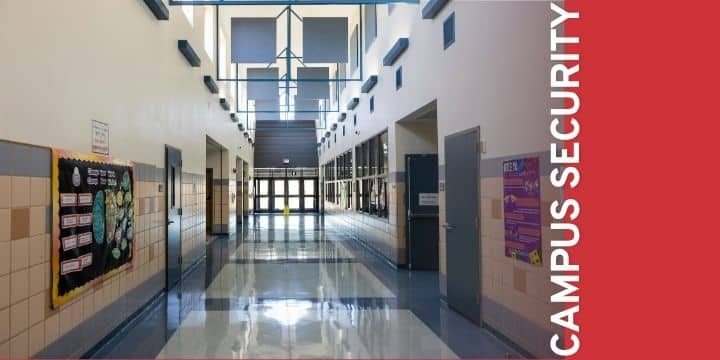
    For a school campus, applying CPTED can mean something as simple as reviewing where sightlines are blocked by overgrown landscaping or poorly placed signage, or as involved as redesigning how visitors are funneled through a single, monitored entry point instead of multiple unsupervised side doors propped open for convenience.

    What a pre-September review should cover

    A thorough review, ideally completed before the first day of classes, should look at:

    • Visitor entry points. Is there a single, monitored point of entry, or are there multiple unsecured doors that get propped open during arrival and dismissal times?
    • Camera coverage. Do cameras cover entry points, hallways, and exterior grounds comprehensively, or are there known blind spots that staff have quietly worked around for years?
    • Access credentials. Are staff, contractor, and after-hours access lists current, especially after summer staffing changes, renovations, or contractor work that may have left temporary access unrevoked?
    • Emergency response integration. Does the monitoring system allow for rapid, verified escalation if something is flagged, with a real person confirming what’s happening?
    • Communication with the monitoring provider. Does your provider have current emergency contacts, updated bell schedules, and awareness of any building changes from the summer?

    Local expertise, applied at scale

    This is the kind of review that benefits enormously from consultants who’ve done it before, at scale, specifically for institutional clients. Security ONE’s CPTED-trained Security Consultants have worked with clients including school boards and municipalities across Southern Ontario, bringing an understanding of how these buildings are actually used day to day, not just how they were originally designed on paper.

    Centralized intelligence, custom design, certified professionals: the same expertise that protects federal assets, applied to a school campus, and applied before the first bell rings in September rather than after an incident forces the conversation.

    Before the first bell rings, know where your gaps are. Request a complimentary CPTED-informed security review with a Security ONE consultant. We’ll assess entry points, sightlines, and access control against what your board actually needs this year.  

  • End-of-Summer Business Check-In: Is Your System Ready for Fall Foot Traffic?

    Why this matters more than it seems

    Burglary claims for homes and businesses do not spread evenly across the calendar year. Insurance industry data covering 2015 to 2024 shows that burglary claims are elevated between July and November, with August consistently standing out as the peak month, accounting for nearly one in ten annual burglary claims on its own. That window overlaps almost exactly with the late-summer-to-fall transition many businesses are moving through right now: hours adjusting, staff schedules shifting, seasonal employees rotating in and out, sometimes all in the same week.

    A system that was set up correctly a year ago, or even a season ago, can quietly fall out of step with a business’s actual operations without anyone noticing until something goes wrong. New staff need access credentials added. Former staff need theirs removed, promptly. Camera coverage needs to reflect the current floor plan, not the one from last year’s setup.

    A simple pre-fall checklist

    None of the following takes more than an afternoon, and most of it takes far less:

    • Access list review. Confirm every person with a code, fob, or app credential still actually needs one. Remove anyone who left over the summer, especially seasonal staff whose contracts have already ended.
    • Camera coverage. Walk the property, inside and out, and check that nothing is blocking a camera’s line of sight. Cameras don’t stop working when something blocks them, they just stop being useful.
    • Hours and schedules. If your hours are changing for fall, make sure your monitoring provider has the updated schedule so alerts match reality.
    • Emergency contacts. Confirm the list of people your monitoring centre calls if something is flagged is current. An outdated contact list slows down exactly the response you’re paying for.
    • Test the alarm. A quick test call with your provider confirms everything is actually communicating properly, rather than assuming it is because nothing’s gone wrong recently.
    • Walk through with fresh eyes. Have someone who doesn’t work there every day walk through the space and point out anything that looks off. Familiarity is terrible for spotting security gaps.

    The upside of getting ahead of it

    None of this is about assuming something is wrong, or approaching the season with a sense of dread. It’s about making sure the system that’s supposed to catch problems is actually configured to catch the problems your business faces today, not the ones it faced last spring before your hours changed, your staff turned over, or your floor plan shifted.

    Centralized intelligence and custom design work only when they’re kept current. A perfectly designed system from a year ago that hasn’t been updated since is really just a system running on outdated assumptions, and outdated assumptions are exactly where gaps show up.

    If it’s been a while since your system was reviewed, a quick check-in with your Security ONE consultant before the fall rush is a low-effort, high-value way to make sure everything actually lines up with how your business runs today. Better to find the gap in a quiet August afternoon than during a busy October week.

    When’s the last time your system was actually reviewed? Book a free system check-in with Security ONE before fall traffic ramps up. We’ll confirm your access lists, camera coverage, and monitoring schedule all match how your business runs today. Schedule at securityonealarm.com.

  • Back-to-School Retail Season: Protecting Inventory Before the Rush

    Back-to-School Retail Season: Protecting Inventory Before the Rush

    The scale of the problem

    This is not a small-business-only issue, and it is not shrinking. According to the Retail Council of Canada, total losses from theft and shrinkage in Canada reached $9.1 billion in 2024, nearly double the $5 billion recorded in 2018. Shrink now sits at about 1.5% of total retail sales in Canada, putting Canadian retailers.

    The Retail Council’s most recent report on retail crime paints a picture that goes beyond dollar figures. A large majority of retailers, over three-quarters, reported an increase in violence connected to theft incidents. Many retailers are responding by rethinking store layouts, increasing security budgets, and in some cases limiting product availability or pulling out of high-crime areas altogether. At the same time, fewer than half of retailers feel confident that theft incidents get meaningfully followed up on once reported to police, and Crown prosecutors frequently decline to pursue charges even with evidence in hand.

    That combination, rising losses paired with inconsistent enforcement outside the store, means the responsibility for prevention increasingly sits with the retailer, not with the system around them.

    Why back-to-school specifically

    Higher-volume seasons compound existing vulnerabilities in a few specific ways. More stock sits on shelves at once, meaning more total value exposed on any given day. More staff, often seasonal or newly hired specifically for the back-to-school rush, are working the floor without the instincts a longtime employee develops over time. And higher customer traffic means more distraction, more crowded aisles, and more opportunities for a five-second window to go unnoticed.

    A gap in coverage that costs a business very little in a slow month in June can cost significantly more in a peak week in late August, simply because there’s more moving through the store to lose.

    Practical prep before the season hits

    A seasonal loss prevention check doesn’t need to be a full operational overhaul. It’s about closing the obvious, predictable gaps before volume goes up:

    • Confirm every entry, exit, and stockroom camera is working and positioned correctly. Cameras that were fine in a quieter layout can suddenly have a blind spot once a seasonal display or new shelving unit goes up.
    • Review who has access to high-value areas, and make sure seasonal staff are added to, and eventually removed from, your access control system properly.
    • Walk the floor for blind spots created by new back-to-school displays, end caps, or promotional signage that might be blocking a camera’s line of sight.
    • Make sure your monitoring provider knows about extended or adjusted hours. If you’re opening earlier or staying open later during peak weeks, your alarm schedule needs to reflect that.
    • Brief seasonal staff on the basics. A five-minute conversation about what to watch for and who to flag concerns to goes a long way.

    Where AI monitoring helps

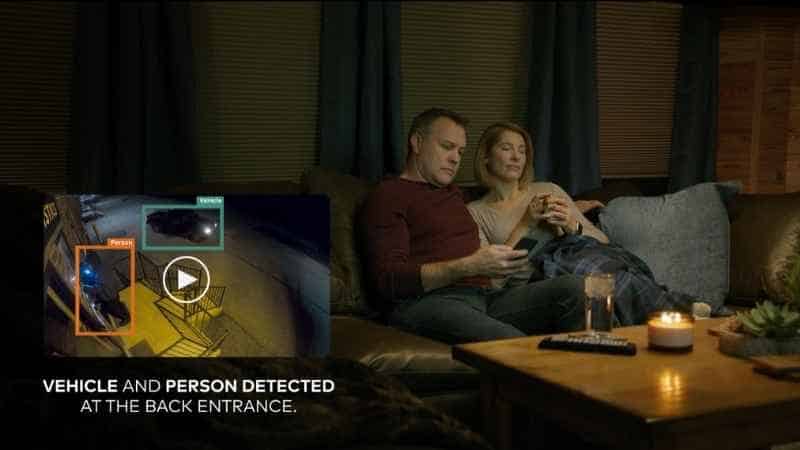
    This is not just about cameras recording footage for someone to review later, after the loss has already happened. AI-powered monitoring, reviewed by a real person, means unusual activity gets flagged and acted on while it’s happening, not discovered the next morning buried in a loss report three weeks later.

    This is not security, it is business risk reduction. AI monitors constantly. Our people respond decisively. Your exposure is minimized. For a retailer heading into the busiest stretch of the year, that’s the actual difference between catching a problem in real time and finding out about it after the damage is already done.

    A quick pre-season walkthrough with your Security ONE consultant, before the back-to-school rush hits full swing, is one of the lowest-effort, highest-value things a retailer can do this month.

  • Home Alone After School: What Parents Should Know About Watching From Anywhere

    Home Alone After School: What Parents Should Know About Watching From Anywhere

    Why daytime matters more than people think

    Most people picture break-ins happening at night, under cover of darkness, while the house is dark and everyone’s asleep. The data tells a different story. Research on residential burglary consistently finds that the majority of break-ins happen during the day, specifically when a home is less likely to be occupied, not after dark. Burglars are opportunistic more often than they are bold. An empty driveway at 2pm on a Tuesday is a far more attractive target than an occupied home at midnight.

    That pattern lines up almost exactly with the back-to-school season. Homes that had someone in them all summer, whether that was a parent working from home, a grandparent watching the kids, or older kids who hadn’t started school yet, are suddenly empty for hours at a stretch, every weekday, starting in September.

    Nationally, breaking and entering is still a meaningful part of property crime in Canada. Statistics Canada recorded 121,033 break-ins across the country in 2024. That number has been trending down for years, down 11% from 2023 alone, and down about a third from a decade ago. But it remains the single largest contributor to the national Crime Severity Index, accounting for 13% of all reported crime. The trend is encouraging, but the base rate is still high enough that a predictable seasonal gap in home occupancy is worth planning around.

    What this looks like day to day

    For a family adjusting to a new school year, the practical questions are simple, and they’re the same questions every parent has asked since the first day they left a kid with a house key:

    • Did my kid get home safely, and on time?
    • Is the door actually locked, or did it get left open in the rush to catch the bus?
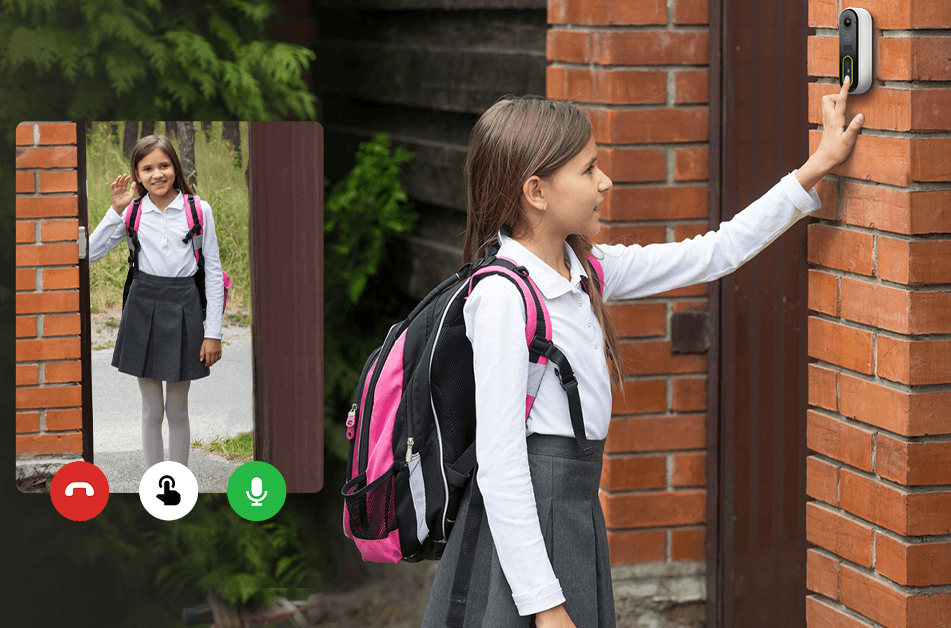
    • Who’s at the door right now, and should my kid be answering it?
    • If the alarm goes off, is someone actually going to see it, or is it just going to make noise?

    An integrated system answers all of this without requiring anyone to babysit a bank of monitors throughout the workday. One app for alarm, access, and video means a parent can check a live camera feed from their desk at work, get an alert the moment a door opens at 3:15 pm, confirm it’s their kid and not someone else, and move on with their day. No app-hopping between three different logins, no wondering which system is actually armed.

    The human part

    This is where the difference between a plain alarm and a monitored system really shows up. A traditional alarm only reacts after the fact: something trips a sensor, a siren goes off, and then everyone scrambles to figure out what happened. AI-assisted monitoring, reviewed and acted on by a real local person, means unusual activity gets a second set of eyes before it becomes a problem. A door left ajar. A stranger lingering at the front step for longer than a delivery would take. These get noticed and acted on, not just logged.

    AI Detected. Human Intervened. That’s not a slogan for a brochure, it’s a description of what actually happens in the fifteen seconds after something looks wrong.

    For families who are less comfortable with technology, and there are plenty of them, this is the point worth repeating: you do not have to manage the system yourself. You don’t need to know how the AI model works, or troubleshoot a firmware update, or configure a dozen settings correctly to be protected. You just need to know someone is watching, and that we’ll be at your door when you need us.

    That’s the whole promise, really. A slightly quieter September, for parents who have enough on their plate already.

    Not sure your system covers the after-school gap? Book a free consultation with a Security ONE expert, and we’ll walk through your home and show you exactly how to check in on your kids from anywhere, without lifting a finger. Visit securityonealarm.com or call your local Security ONE team today.

  • Security Solutions for Local Leamington Businesses in 2026

    Security Solutions for Local Leamington Businesses in 2026

    Leamington businesses operate in a unique environment.

    From greenhouses and agricultural operations to retail storefronts and industrial facilities, many businesses manage large properties, valuable equipment, and operations that continue well outside of standard business hours.

    That creates security challenges that go beyond basic intrusion protection.

    Visibility Across Larger Properties

    One of the biggest challenges for businesses in Leamington is visibility.

    Agricultural and industrial properties often include:

    • Multiple buildings
    • Outdoor storage areas
    • Equipment yards
    • Shipping and receiving zones

    A single alarm system is rarely enough on its own. Businesses need camera coverage and monitoring that provide visibility across the entire property, especially overnight.

    Monitoring and After-Hours Protection

    Many incidents occur when buildings are unoccupied.

    Professional monitoring ensures alerts are reviewed immediately rather than waiting until staff arrive the next morning. This is particularly valuable for properties storing equipment, inventory, or vehicles outdoors.

    For larger sites, proactive video monitoring can also provide live intervention through audio warnings and verified responses.

    Managing Employee and Contractor Access

    As businesses grow, controlling access becomes increasingly important.

    Access control systems allow owners and managers to:

    • Limit access to certain areas
    • Track employee entry activity
    • Remove credentials instantly
    • Avoid the risks associated with physical keys

    If your business is growing or your current system no longer provides the visibility you need, a professional assessment can help identify the right next step. At Security ONE, we work with businesses throughout Leamington to design commercial security systems built around the realities of each property and operation. Contact us to schedule a no-obligation business security assessment. 

  • Smarter Door Access Solutions for Ontario Businesses

    Smarter Door Access Solutions for Ontario Businesses

    Why More Ontario Businesses Are Moving Away from Keys

    Most businesses still rely on physical keys, even though they create ongoing risk.

    Keys are easy to duplicate, difficult to track, and expensive to manage when something changes. When an employee leaves or a key is lost, the only real solution is often rekeying the building, which takes time and adds cost.

    In practice, many businesses delay making those changes. Over time, more keys are in circulation than anyone can account for.

    Access control systems solve that problem by replacing physical keys with credentials that can be managed, tracked, and revoked instantly.

    What an Access Control System Actually Does

    At a basic level, access control replaces a traditional lock with a controlled entry point.

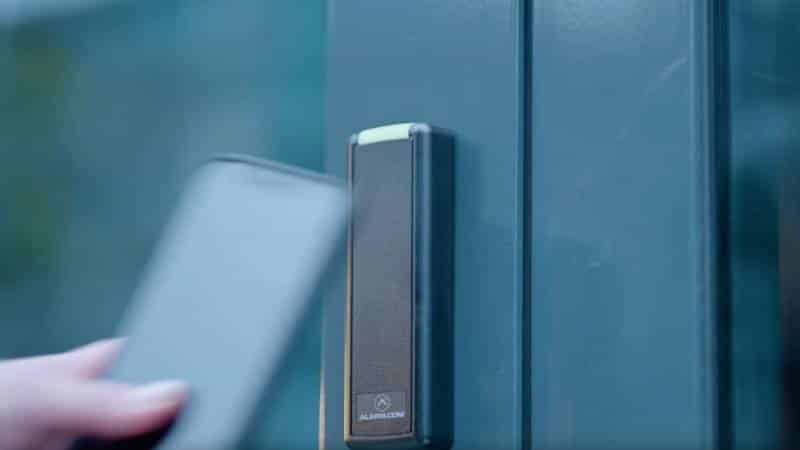
    Instead of a key, users are given a credential. That credential could be a card, a PIN code, or a mobile app. When presented at a door, the system verifies whether that user is allowed access and unlocks accordingly.

    Every interaction is logged. That means you can see:

    • Who accessed a door
    • When they accessed it
    • Which credential was used

    This level of visibility changes how businesses manage security. Instead of guessing, you have a clear record.

    The Three Main Types of Access Control

    Most systems fall into three categories. Each has its place depending on how the business operates.

    Key cards and fobs are the most widely used. They’re simple, familiar, and easy to issue. If a card is lost, it can be deactivated immediately without affecting anyone else.

    Keypads allow access through a PIN code. They work well in smaller environments or for specific areas where issuing cards isn’t necessary. The tradeoff is that codes can be shared, which reduces accountability if not managed carefully.

    Mobile credentials are becoming more common. Access is granted through a smartphone app, often using Bluetooth or NFC. This approach removes the need for physical credentials entirely and makes it easier to manage access remotely.

    Why Businesses See Immediate Benefits

    The value of access control shows up quickly in day-to-day operations.
    Access can be granted or removed instantly, without needing to collect keys or change locks. This is especially useful for businesses with staff turnover, contractors, or multiple shifts.

    You can also control access based on time. For example, certain employees may only be able to enter during scheduled hours, while others have broader access.
    From a security standpoint, the ability to track entry activity provides a level of accountability that traditional keys simply can’t offer.

    access control for business with mobile credentials

    Where Access Control Fits Best

    Access control is useful in a wide range of environments, but it becomes especially valuable when managing multiple users or sensitive areas.

    Common applications include:

    • Office buildings with multiple employees
    • Warehouses and industrial facilities
    • Retail locations with restricted back areas
    • Multi-tenant or shared commercial spaces

    In many cases, businesses start with one or two doors and expand over time as they see the benefit.

    Choosing the Right Setup

    The right system depends on how your business operates.

    Some environments benefit from a single method of access, while others use a combination. For example, a business might use mobile credentials for full-time staff, key cards for contractors, and a keypad as a backup option.

    It’s also important to consider how the system integrates with other security components. Access control works best when paired with cameras and monitoring, allowing you to verify activity and respond if something doesn’t look right.

    Planning for Growth and Flexibility

    One of the advantages of modern access control systems is scalability.

    As your business grows or changes, the system can expand with it. Additional doors, users, and permissions can be added without replacing the entire setup.

    This flexibility makes it easier to adapt over time without creating gaps in security or adding unnecessary complexity.

    If you’re still relying on keys or managing access manually, a quick assessment can help identify where improvements can be made. At Security ONE, we review your building, understand how your team operates, and recommend an access control system that fits your needs today while allowing for future growth. Contact us to schedule a no-obligation security assessment.

  • Business Security in Chatham: Protecting Your Property, Staff, and Operations

    Business Security in Chatham: Protecting Your Property, Staff, and Operations

    Businesses in Chatham face many of the same security challenges seen across Ontario, but with local considerations that make planning important.

    Retail theft, after-hours intrusion, vandalism, and unauthorized access continue to affect businesses of all sizes. At the same time, many companies are looking for systems that improve visibility and operational control, not just alarm response.

    Modern business security is now as much about awareness as protection.

    Security Systems Are Becoming Operational Tools

    Commercial security systems are no longer passive.

    Business owners now rely on them for:

    • Verifying deliveries
    • Reviewing incidents quickly
    • Managing employee access
    • Monitoring opening and closing procedures
    • Checking properties remotely

    This level of visibility helps businesses operate more confidently day to day. 

    Why Integration Matters

    When cameras, alarms, and access control systems operate independently, important context is often missed.

    Integrated systems allow businesses to:

    • Link alarms to video verification
    • Associate access events with footage
    • Review activity across locations more efficiently

    The result is a faster response and clearer information when something happens.

    If your business is evaluating new security systems or upgrading older equipment, the right solution starts with understanding how your property operates. At Security ONE, we help Chatham businesses build practical, scalable security systems that improve both protection and visibility. Contact us to schedule a no-obligation business security assessment.

  • DIY Home Security in Ontario: What You Gain and What You Risk

    DIY Home Security in Ontario: What You Gain and What You Risk

    DIY Home Security in Ontario: A Practical Look at What Works and What Doesn’t

    DIY home security has grown quickly over the past few years.

    It’s now easy to walk into a retail store or order online and have a system delivered within days. Setup is straightforward, the apps are polished, and the upfront cost is often appealing.

    For many homeowners, the question isn’t whether DIY works. It’s whether it works well enough.

    The answer depends less on the equipment and more on what you expect the system to do when it matters.

    Why DIY Systems Are So Popular

    There are a few clear reasons DIY security continues to gain traction.

    Price is the most obvious. Entry-level systems are relatively affordable and don’t require a large upfront investment. For homeowners who want basic coverage, that accessibility makes a difference.

    Convenience is another factor. Most systems are designed for quick installation, often requiring nothing more than adhesive mounting and a mobile app. A basic setup can be completed in a few hours without needing a technician.

    There’s also the appeal of control. Many homeowners prefer managing their system directly, receiving alerts on their phone, and deciding how to respond in real time. 

    These are all legitimate advantages. For certain situations, they’re enough.

    What a DIY System Actually Covers

    A typical DIY system includes the core components you would expect in any alarm setup.

    This usually means:

    • A central hub connected to your app
    • Door and window sensors
    • One or more motion detectors
    • A camera or doorbell camera

    Additional devices like smoke detectors, smart locks, and water sensors can often be added later.

    For everyday awareness, these systems perform well. They can notify you when something happens and give you visibility into your home when you’re away.

    Where the difference starts to show is what happens after that alert is triggered.

    Where DIY Systems Fall Short

    The limitations of DIY systems aren’t always obvious until there’s an actual event.

    The biggest gap is response.

    When a system is self-monitored, everything depends on you receiving the alert and being able to act on it immediately. That sounds straightforward, but in practice, it can be unreliable. Phones are on silent, notifications are missed, or the alert comes at a time when responding isn’t possible.

    Connectivity is another consideration. Many DIY systems rely heavily on Wi-Fi. If the internet goes down or is intentionally disrupted, communication with the system can be affected.

    There are also insurance and compliance factors that often get overlooked. Some policies expect professionally monitored systems or specific standards like ULC-listed monitoring. Without that, claims can become more complicated.

    Finally, documentation can be limited. In the event of a claim, insurers may ask for clear records of what happened, when it happened, and how it was handled. DIY systems don’t always provide that level of detail.

    What Professional Systems Add

    Professionally installed and monitored systems address these gaps directly.

    Instead of relying solely on your phone, alerts are received by a monitoring station staffed by trained operators. When an event occurs, it is reviewed and acted on immediately, whether that means contacting you, dispatching emergency services, or both.

    Professional systems also include more robust communication, typically using cellular as a primary or backup connection. This removes reliance on a single network path.

    Beyond the technology, there is also the benefit of proper system design. Sensors are placed based on the layout of your home, not just convenience. This improves both coverage and reliability.

    When DIY Makes Sense

    DIY systems still have a place, and for some homeowners, they are the right choice.

    They tend to work well in situations where:

    • You’re renting and need a portable solution
    • You’re in a condo with existing building security
    • You want basic awareness rather than full monitoring
    • You’re securing a secondary or seasonal property

    In these cases, the simplicity and flexibility of DIY can be a strong advantage.

    Making the Right Decision

    Choosing between DIY and professional security comes down to expectations.

    If your goal is awareness and convenience, a DIY system can meet that need.

    If your goal is reliable response, documentation, and long-term protection, a professionally installed and monitored system provides a more complete solution.

    Understanding that difference upfront helps avoid the most common frustrations homeowners experience after installation.

    If you’re weighing your options, a quick assessment can help clarify what makes the most sense for your home. At Security ONE, we walk through your layout, explain the tradeoffs between DIY and professionally monitored systems, and recommend an approach that fits your needs and budget. Contact us to schedule a no-obligation security assessment.

  • Business Security in the Waterloo Region: What Companies Should Be Looking at in 2026

    Business Security in the Waterloo Region: What Companies Should Be Looking at in 2026

    Business Security in Waterloo Region: What Modern Businesses Need

    Waterloo Region’s business landscape continues to grow quickly, especially across technology, manufacturing, logistics, and professional services.

    As businesses expand, security expectations change as well. Owners are looking for systems that not only protect property but also improve operational awareness and help manage access across teams and facilities.

    Security Is About More Than Preventing Break-Ins

    Modern commercial systems help businesses:

    • Monitor facilities remotely
    • Manage employee access
    • Verify incidents quickly
    • Reduce liability concerns
    • Improve response times

    For many organizations, cameras and access control are now part of daily operations, not just emergency response.

    Access Control Continues to Grow

    Managing physical keys becomes difficult as organizations scale.

    Access control systems provide flexibility by allowing businesses to:

    • Issue and revoke credentials instantly
    • Track access activity
    • Restrict entry to certain areas
    • Manage multiple locations more efficiently

    This level of control is particularly valuable for businesses with shared spaces, contractors, or multiple departments.

    Monitoring and Verification Matter

    Monitoring ensures that alerts are reviewed immediately rather than waiting for someone to notice a notification.

    When integrated with cameras, monitoring also provides verification. This allows incidents to be reviewed and escalated more accurately, improving both response and documentation.

    If your business is growing or your current security setup no longer provides the visibility you need, a professional assessment can help identify the right solution. At Security ONE, we help businesses across Waterloo Region design commercial security systems that balance protection, usability, and scalability. Contact us to schedule a no-obligation business security assessment.

    Lorem ipsum dolor sit amet, consectetur adipiscing elit. Ut elit tellus, luctus nec ullamcorper mattis, pulvinar dapibus leo.

    Lorem ipsum dolor sit amet, consectetur adipiscing elit. Ut elit tellus, luctus nec ullamcorper mattis, pulvinar dapibus leo.

    Lorem ipsum dolor sit amet, consectetur adipiscing elit. Ut elit tellus, luctus nec ullamcorper mattis, pulvinar dapibus leo.

  • Home Security While on Vacation: How Ontario Homeowners Protect Their Property

    Home Security While on Vacation: How Ontario Homeowners Protect Their Property

    Leaving Town? Why Vacant Homes Are a Target

    Vacations are one of the most common times for residential break-ins.

    It’s not because homes are less secure. It’s because they’re more predictable.

    An empty driveway, lights that never change, packages sitting at the door, or a lawn that hasn’t been touched all signal the same thing: no one is home. For someone looking for an opportunity, that’s often enough.

    The goal of vacation security isn’t to make your home impenetrable. It’s to make it look occupied, reduce easy access, and ensure someone is responding if something does happen.

    Before You Leave: Set the System Up Properly

    Most homeowners arm their system before leaving, but a quick check can make a meaningful difference.

    Walk through the house and confirm every sensor is working. Batteries that were fine a few months ago may be getting low, and it’s better to deal with that before you leave than while you’re away.

    It’s also important to review your contact list. If your monitoring provider needs to reach someone, make sure they have the right order of contacts and that at least one person is local and able to respond if needed.

    If your system includes cellular communication, confirm that it’s active. If your internet connection goes down while you’re away, cellular is what keeps the system connected. 

    Make the Home Look Lived-In

    One of the most effective ways to reduce risk is to make your home appear occupied.

    This doesn’t require anything complicated, but it does require some variation.

    • Use lighting schedules that change slightly each day instead of turning on and off at the exact same time
    • If you have motorized blinds, open and close them based on a typical daily routine
    • Consider running a TV or radio for short periods in the evening using a smart plug
    • Keep exterior lighting consistent so the property looks maintained

    These small details make a home feel active rather than vacant.

    Manage Deliveries and Exterior Activity

    Packages left on a doorstep for multiple days are one of the clearest indicators that a home is empty.

    If possible, pause deliveries or have them redirected. If that’s not an option, having someone collect them regularly makes a noticeable difference.

    A doorbell camera can also add an extra layer of visibility. If someone approaches the door, you can receive an alert and, if needed, communicate through two-way audio. Even a brief interaction is often enough to discourage someone from staying.

    Let the Right People Know

    A few simple notifications can go a long way.

    Your monitoring provider should be aware that you’re away. This allows them to adjust how alerts are handled and ensures they don’t rely on you being immediately available.

    A trusted neighbour is also one of the most effective forms of security. Someone who can walk by, bring in packages, and notice anything unusual provides a level of awareness that technology alone can’t replace.

    What’s just as important is what not to do. Posting travel plans publicly or sharing real-time updates can unintentionally advertise that the home is empty.

    What Happens If Something Goes Wrong

    Even with the right preparation, incidents can still happen. The difference is how quickly they’re addressed.

    A monitored system ensures that if a sensor is triggered, someone is reviewing the event immediately. If it’s verified as a real issue, the appropriate response is initiated without waiting for you to notice an alert.

    This is especially important when you’re in a different time zone, out of cell range, or simply not checking your phone regularly.

    Without monitoring, the system depends entirely on you. With monitoring, there is always someone actively watching.

    If you’re planning time away and want to make sure your home is properly protected, a quick system review can help identify any gaps. At Security ONE, we assess your setup, confirm everything is working as expected, and recommend simple adjustments that improve coverage while you’re gone. Contact us to schedule a no-obligation security assessment before your next trip.