WordPress on DigitalOcean

Author: headless_sync

  • Is Your House Prepared for Spring Vacation?

    Is Your House Prepared for Spring Vacation?

    March break is a time when many people take a break from their daily routines and go on vacation. Whether you are planning to leave your home for a few days or a few weeks, it’s important to ensure that your home is prepared for your absence. 

    Here are a few tips for ensuring the safe keeping of your home during spring vacation:

    Lock all doors and windows: This may seem like a no-brainer, but it’s important to double-check that all doors and windows are locked before you leave. This includes any doors or windows that are not easily visible from the street, such as those in the back of your home or on the second floor.  

    Set your home’s security system: be sure to set your system before you leave. This will help deter any potential burglars and will alert authorities if anyone attempts to break into your home.  In case you need assistance, you can read device guides or contact support here.

    Stop mail and newspaper delivery: If you have a stack of mail or newspapers sitting outside your home, it’s a clear sign that you are not there. Consider stopping delivery or having a trusted friend or neighbour pick up your mail and newspapers while you are away.  

    Unplug appliances and electronics: Unplugging appliances and electronics can help save energy and prevent any potential fires. Be sure to unplug appliances such as your coffee maker, toaster, and television.  

    Turn off the water: If you are leaving for an extended period of time, consider turning off the main water supply to your home. This will help prevent any potential water damage if a pipe were to burst while you are away.  

    Tell a trusted neighbor or friend: It’s always a good idea to let a trusted neighbor or friend know that you will be away and for how long. This way, they can keep an eye on your home and alert you if anything seems out of the ordinary. Additionally, be sure to inform your key holder responder of your travel plans so they can access your home in case of an emergency.

    By following these simple steps, you can help ensure the safe keeping and security of your home during March break. Happy travels!

    woman packs a suitcase on the floor in preparation for her vacation

  • Let’s Welcome Spring, Not Flooding

    Let’s Welcome Spring, Not Flooding

    Floods can be a major inconvenience and can cause significant damage to your home. Whether the flood is caused by heavy rainfall, a broken pipe, or a malfunctioning appliance, it is important to take steps to prevent house floods and to know what to do if one does occur. In this blog post, we will discuss how to prevent house floods and what to do if your home does flood.  

    Preventing a Flood in Your Home:

    There are several steps you can take to prevent your home from flooding:  

    1. Fix any plumbing issues: Regularly check your pipes and appliances for any signs of wear and tear. If you notice any leaks or broken pipes, have them repaired as soon as possible. 
    2. Install a sump pump: A sump pump is a device that removes water from your basement by pumping it outside. If you live in an area with a high water table or a history of basement floods, consider installing a sump pump.  
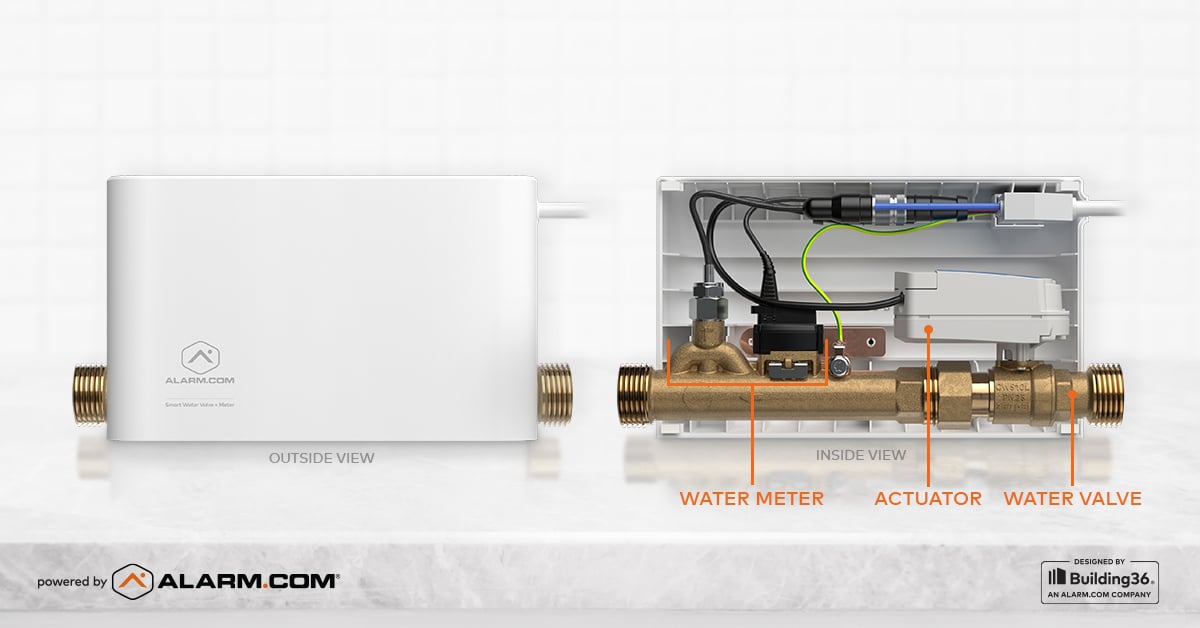
    3. Add flood prevention devices: contact Security ONE to discuss flood and sump pump monitors. 
    4. Keep gutters and downspouts clean: Clogged gutters and downspouts can cause water to build up on your roof and eventually leak into your home. Make sure to regularly clean your gutters and downspouts to prevent this from happening. 
    5. Install flood barriers: consider elevating your home or installing flood barriers to help protect it from floodwaters.  

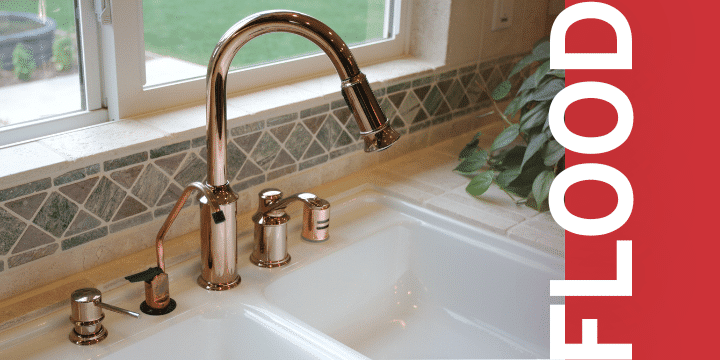
    Infographic on a water valve with a sensor to prevent flooding

    What to Do If Your Home Floods  

    If your home does flood, follow these steps:  

    1. Stop the source of the water: If the flood is caused by a broken pipe or appliance, turn off the water supply to stop the flow of water.  
    2. Remove any standing water: Use a wet/dry vacuum or a sump pump to remove any standing water from your home.  
    3. Dry out the area: Use fans and dehumidifiers to help dry out the affected area.  
    4. Disinfect and clean: Once the area is dry, disinfect any surfaces that have come into contact with floodwater. This will help prevent the growth of mold and bacteria.  
    5. Document the damage: Take photos and make a list of any damaged items. This will be useful when filing an insurance claim.  

    By following these steps, you can help prevent and manage a flood in your home. Remember to regularly check your pipes and appliances, and take steps to prevent water buildup on your roof. If your home does flood, act quickly to remove the water and dry out the area to prevent further damage. 

  • The Hidden Cost of Skimping on Your Home Security System

    The Hidden Cost of Skimping on Your Home Security System

    The Hidden Cost of Skimping

    on Your Home Security System​

    Security systems are an important investment for any home or business. They help to protect your property and loved ones from burglaries, fires, and other emergencies. While it may be tempting to try to save money by going with an inexpensive or incomplete security system, this can often lead to costly problems down the road. 

    Why You Should Avoid Cutting Corners

    One of the main reasons to avoid cheap security systems is that they often have poor performance. Cheap systems may have low-quality cameras or sensors that are prone to false alarms or failures. This can lead to a false sense of security, as you may believe that your home or business is protected when it is not. In the event of an emergency, a cheap security system may not be able to provide the necessary protection.  

    Another reason to invest in a quality security system is that it can save you money in the long run. Cheap systems may require frequent repairs or replacement, which can add up over time. On the other hand, a high-quality security system may have a longer lifespan and require less maintenance, ultimately saving you money in the long run. 

    It may also be tempting to buy only a part of a larger security system to save money, such as external cameras. While this visible aspect of a connected system may deter burglaries, you are still vulnerable on other fronts without the complete system. A comprehensive system works together to secure all entry points and potential safety threats inside and outside your home. Without proper monitoring and protection, your system will eat at your wallet while providing ineffective protection. Learn more about our 24/7 monitoring here.

    a coin is dropped into a piggy bank

    Overall, it is important to invest in a quality security system to ensure the protection of your home or business. While it may be tempting to go with a cheap option, your money is being put to waste the potential risks and long-term costs make it worth considering a more expensive, but reliable and secure system.  

  • Are Cellular Systems The Way To Go?

    Are Cellular Systems The Way To Go?

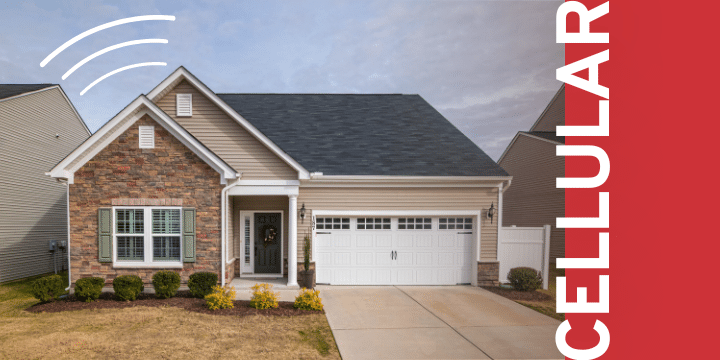
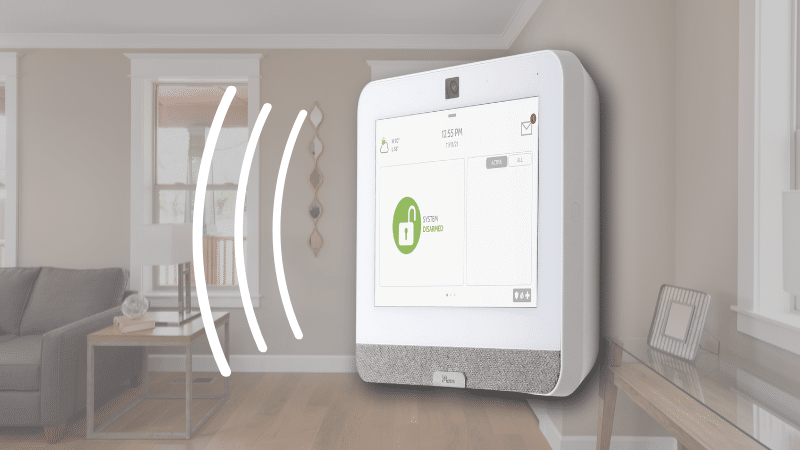
    In today’s connected world, it’s more important than ever to ensure the safety and security of your home. Home security systems have come a long way in recent years, and the technology is constantly improving. While phone and internet-based systems were once popular, a cellular home security system has emerged as a top choice for homeowners who want to keep their homes and families safe.

    There are several key advantages of cellular home security systems over phone and internet systems, including:

    1. Reliability: Cellular home security systems are far more reliable than phone or internet-based systems. Cellular networks are more resilient to outages and power failures, and they have wider coverage areas. This means that you can have peace of mind knowing that your system will work when you need it most. Additionally, cellular modules cannot be physically manipulated as phone lines are often tampered with by burglars. 

    2. Security: With a cellular home security system, your data and information are transmitted over a secure network. This reduces the risk of hacking and other cyber threats that are common with phone and internet-based systems.

    3. Speed: Cellular home security systems are much faster than phone or internet-based systems. They can quickly and reliably send signals to the monitoring center, ensuring that you receive the help you need in an emergency.

    4. Cost-effectiveness: The choice of a cellular module negates the need for additional service calls when you switch phone or internet providers. This makes them a smart investment for homeowners who want to keep their homes and families safe.

    5. Ease of Use: Cellular home security systems are easy to install and use, making them a great choice for homeowners who are looking for a convenient and user-friendly solution.

    In conclusion, a cellular home security system is a wise investment for homeowners who want to keep their homes and families safe. With its reliability, security, speed, cost-effectiveness, and ease of use, a cellular home security system is the perfect choice for anyone who wants peace of mind and the assurance that their home and family are protected.

    Learn more about the latest residential security approaches here.

    a security panel with cellular capabilities is placed over the image of a living room

  • Is Your Home Safe From Carbon Monoxide?

    Carbon monoxide (CO) is a colorless, odorless gas that can be deadly if inhaled in large amounts. It is produced when fuels such as wood, gasoline, propane, and natural gas burn incompletely. Because it is difficult to detect, CO poisoning can be a serious hazard, particularly in enclosed spaces such as homes and vehicles.  

    One of the most common sources of CO in homes is the furnace, which can produce the gas if it is not properly maintained or ventilated. Other sources of CO in homes include gas stoves, gas water heaters, and gas dryers. Wood stoves and fireplaces can also produce CO if they are not properly ventilated.  

    Symptoms of CO poisoning include headache, dizziness, weakness, nausea, and shortness of breath. In severe cases, it can lead to unconsciousness and death. Children, the elderly, and people with respiratory conditions are especially vulnerable to CO poisoning.  

    To protect your home and family from carbon monoxide poisoning, there are several steps you can take:

    1. Install and maintain CO detectors in your home, you can additionally consider a monitored CO system to protect your home while you’re away.  
    2. Keep your furnace, water heater, and other gas appliances in good working order, and have them inspected regularly by a qualified technician.  
    3. Make sure that your home is well-ventilated, particularly when using gas appliances.  
    4. Never use a gas stove or oven to heat your home.  
    5. Never leave a car running in an attached garage, even with the door open.  
    6. Avoid using portable fuel-burning appliances, such as camping stoves, inside your home or any other enclosed space.  

    By following these simple steps, you can help protect yourself and your family from the dangers of carbon monoxide. 

    Additionally, residents of rental properties should know about their landlord’s responsibility to maintain adequate carbon monoxide detection. To learn more about   Ontario carbon monoxide detection requirements, read here.

  • Common Security Risks That Often Go Neglected

    Security is an important concern for both individuals and organizations. Neglecting to address security concerns can leave individuals and organizations vulnerable to a wide range of threats. In this answer, we will outline some common security concerns that are often neglected. 

    Here are some neglected security concerns:

    1. Inadequate locks on doors and windows: Buildings with weak or outdated locks are more vulnerable to burglaries.
    2. Poor lighting around the home or business: Poor lighting can make it easier for burglars to enter a home undetected.
    3. Neglecting to secure garages and sheds: Garages and sheds are often used to store valuable items, but they are often left unsecured, making them easy targets for burglars.
    4. Neglecting to secure the perimeter of the home or business: Buildings with tall fences or walls may neglect to secure gates or other points of entry, making it easier for burglars to gain access.
    5. Lack of fire safety measures: Many homes and businesses do not have enough smoke detectors or accessible fire extinguishers, which can increase the risk of fires and make them harder to contain.
    6. Lack of emergency preparedness: Many people do not have a plan in place for emergencies, such as natural disasters or power outages, which can leave them vulnerable to flooding or other threats.  

    Additionally, London Police Services offers a home security audit to increase your awareness of the security risks of your home.

    In conclusion, neglecting security concerns can have serious consequences for individuals and organizations. It is important to be proactive in addressing potential security risks and to have measures in place to protect against a wide range of threats. By addressing these and other security concerns, individuals and organizations can significantly reduce their risk of being targeted by attacks or other security threats. Do you think you have neglected one of these concerns? Contact Security ONE to discuss prevention solutions! 

  • Are Doorbell Cameras The Future of Home Security?

    Doorbell Cameras have become increasingly popular in recent years, with many homeowners turning to these devices as a way to add an extra layer of security to their homes. But are doorbell cameras the future of home security, or are they just one piece of the puzzle? 

    What Do Doorbell Cameras Accomplish?

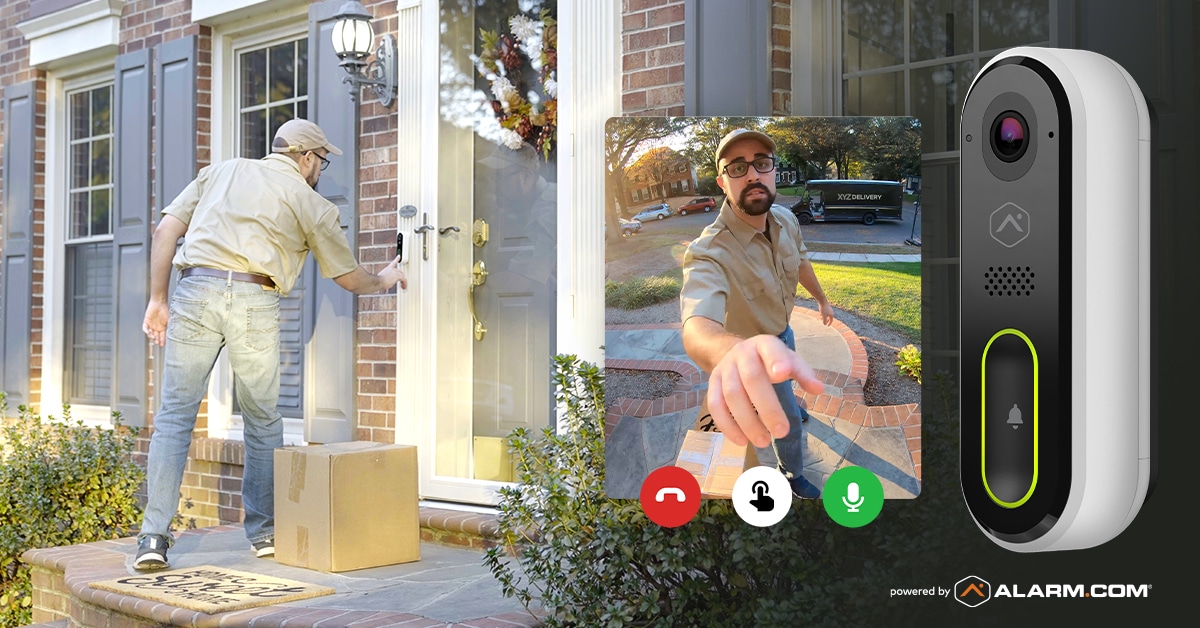
    To answer this question, it’s important to understand what doorbell cameras are and how they work. Essentially, a doorbell camera is used to capture video from the perspective of your front door. Mounted on the front of your home, the camera will detect the presence of someone approaching your front door and send an alert to your smartphone or other device. You can then use the accompanying app to see who is at the door and speak to the person in real time if the camera has the capability.  

    There are several benefits to using a doorbell camera. For one, they can provide an added level of security by allowing you to see who is at your door without actually opening it. This can be especially useful for deterring burglars or other unwanted visitors. In addition, video doorbells can be useful for keeping an eye on deliveries and packages, as well as for keeping an eye on your home while you’re away.  

    However, It’s important to understand that while doorbell cameras can give you a view of your porch and enable communication with visitors, they are not always equipped to fully protect your home. In fact, many doorbell cameras can only provide evidence of a crime, but they are not built to prevent it from happening. Without sensors that detect intrusions, alarms, or monitoring services that connect your home to emergency responders, many doorbell cameras are unable to provide full protection. Discover how the Security One Video Doorbell overcomes these limitations by offering 24/7 monitoring for complete home security. 

    a Security One video doorbell shows a man delivering a package

    So, are doorbell cameras the future of home security? While they can certainly be a useful addition to a home security system, they are not a standalone solution. To truly protect your home and loved ones, it’s important to have a comprehensive security system that includes contact sensors, alarms, and monitoring services. If you’re considering a video doorbell, make sure to consider it as just one piece of the puzzle in your overall home security strategy.

  • Home Safety For Seniors

    As we age, it becomes increasingly important to prioritize home safety and security. Elderly individuals may be more vulnerable to accidents or crimes such as burglaries, so it’s important to take steps to protect yourself and your home. In this blog post, we’ll go over some practical tips for maintaining a safe and secure home environment. Whether you live alone or with loved ones, these tips can help you feel more secure in your own home. 

    Here are some home safety and security tips for seniors:

    1. Keep doors and windows locked, even when you are at home. Install deadbolt locks on all exterior doors and use window locks on windows that are easy to open.  
    2. Consider installing a home security system. This can include door and window sensors, motion detectors, and surveillance cameras.
    3. Keep a list of emergency phone numbers, including the police, fire department, and a trusted friend or family member, near all phones in your home.
    4. Use lighting to your advantage. Keep the outside of your home well-lit at night to deter burglars. Inside, use night lights in hallways and bedrooms to help you see if you need to get up during the night.
    5. Consider installing grab bars in the bathroom and handrails on stairways to help prevent falls.
    6. Explore the use of alert devices for round-the-clock protection, wherever you go. Numactive offers top-of-the-line products that can connect you with 24/7 monitoring and emergency response services in case of urgent situations.
    7. Avoid opening the door to strangers. If someone knocks on your door, ask who they are and what they want before opening the door. 
    8. Make a plan with a trusted friend or family member in case of an emergency. This could include a plan for evacuating the home or getting help if you are unable to do so on your own. 
    9. Stay informed about potential scams targeting elders. Be cautious of phone calls or emails from unfamiliar people asking for personal information or money.
     

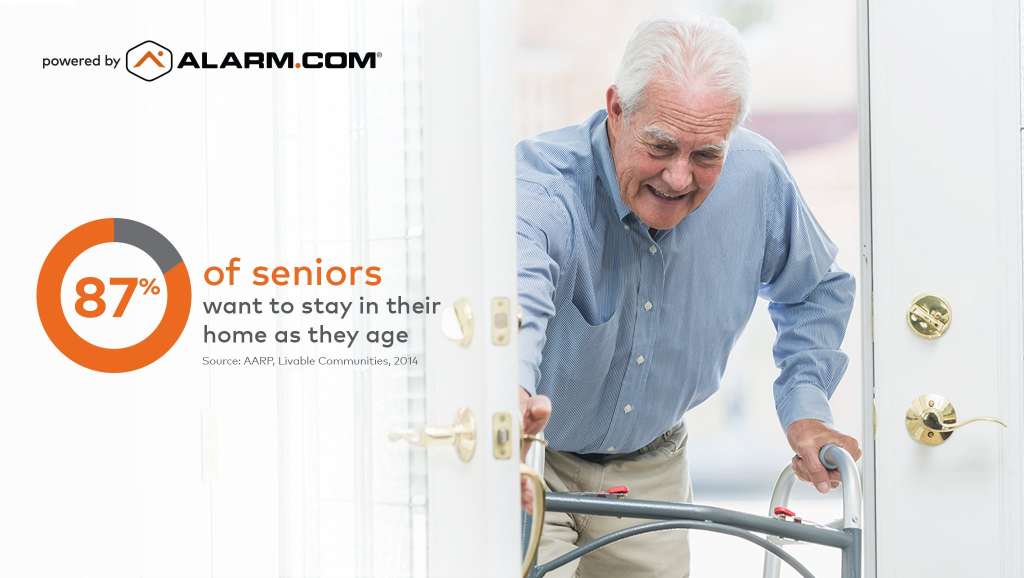
    elderly man walks into his home with the assistance of a walker, a text overlay reads "87% of seniors want to stay in their home as they age"

    In conclusion, home safety and security are crucial for seniors to maintain their independence and to stay in their own homes. By taking the necessary precautions and implementing practical tips, such as locking doors and windows, installing a security system, and staying informed about potential scams, seniors can feel more secure and protected in their own homes. It’s important to remember that many of these steps can be taken by the elder themselves, their loved ones, or with the help of security experts. By staying vigilant and proactive, seniors can enjoy their homes with the peace of mind and sense of security that comes with being safe and protected.

  • Combating the Rise of Auto Theft With Security Monitoring

    Auto theft is a growing problem in Canada, with many incidents being linked to global crime rings, according to a recent article by Global News. This trend is especially evident in Ontario, where auto theft has spiked. In order to combat this problem, it is essential for car owners to take proactive measures to protect their vehicles. While simple precautions like locking your car doors and keeping keys and valuables in a safe location can help prevent theft, they are not foolproof. An effective solution to this rising issue is the use of monitoring systems such as video, proactive video, and access monitoring.

    Preventing Auto Theft with Video Monitoring

    Video monitoring involves using cameras to record any suspicious activity in areas such as your driveway, garage, or parking spot. These cameras can be set up to record constantly, or they can be triggered by motion or other forms of activity. This type of system can be especially useful in identifying potential thieves, as the footage can be used to help identify suspects and assist with their prosecution. 

    Proactive Video Monitoring

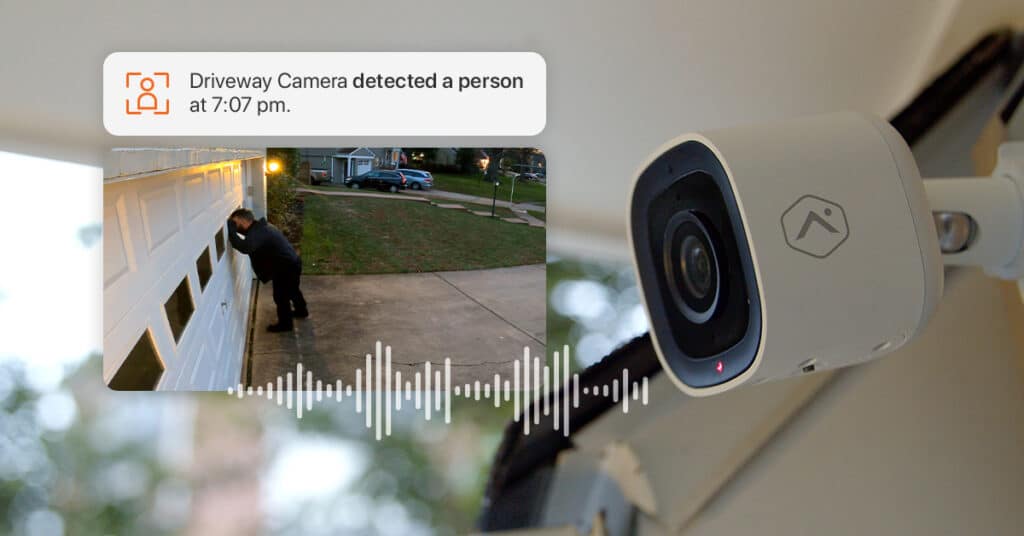
    Proactive video monitoring takes this concept a step further by using artificial intelligence (AI) to analyze the footage in real-time. This type of system can detect patterns of behavior that may indicate an attempt to steal a vehicle, such as someone loitering around a car or trying to tamper with its locks. When such activity is detected, the system can alert the owner or the authorities, allowing for a quick response to prevent theft from occurring. 

    a man suspiciously looks into a garage while a video monitoring system detects the activity and sends a message "driveway camera detected a person at 7:07pm"

    Access Monitoring

    In addition to monitoring the exterior of a vehicle, it is also important to consider the security of the place where the car is stored. For those who keep their car in a garage, access to the garage should be tightly controlled to prevent unauthorized entry. This can be achieved through the use of garage access monitoring systems, which use sensors or cameras to detect when the garage door is opened or closed. These systems can alert the owner or the authorities if there is any suspicious activity, allowing for a quick response to prevent potential theft. 

    In conclusion, the rise in auto thefts linked to global crime rings in Canada is a serious concern and highlights the importance of taking proactive measures to protect our vehicles. By using video monitoring and proactive video monitoring systems, car owners can take an active role in deterring potential thieves and helping to keep their vehicles safe.

  • Security ONE Alarm Systems Announces Majority Equity Investment in Alarm Systems

    Leamington, Ontario – Security ONE Alarm Systems, a leading provider of professionally installed and monitored security solutions based in Leamington, Ontario, is pleased to announce a majority equity investment in Alarm Systems, headquartered in Belleville, Ontario. 

    The investment will allow Alarm Systems to continue to grow and expand its services to customers throughout the Eastern Ontario area, while also providing the resources and support needed to further innovate and enhance its product offerings. In turn, both entities will benefit from combined purchasing power and shared resources to manage larger projects across Ontario and beyond. The combined organization will be comprised of nearly 120 security professionals who serve over 20,000 residential and commercial customers, making it one of the largest independently owned and operated security providers in Canada. 

    “We are thrilled to partner with Alarm Systems and make this strategic investment,” said Chris Neumann, President & CEO of Security ONE Alarm Systems. “Their team has a long history of providing high-quality security solutions to customers, and we believe this partnership will allow us to better serve the Ontario market and continue to grow our business.”

    “We are excited to welcome Security ONE Alarm Systems as a majority equity partner,” said Kristin Crowe, President of Alarm Systems. “Their expertise and resources will be a valuable asset as we look to continue to grow and innovate in an ever-changing competitive landscape.”

    The terms of the investment have not been disclosed.  

    About Security ONE

    Founded in 1978, Security ONE Alarm Systems is one of the largest and fastest growing independently owned security companies in Canada. With four offices across Southwestern Ontario, Security ONE protects thousands of residential and commercial customers across multiple industries. With a team of over 60 security professionals, the company designs, installs, and monitors the latest electronic security, fire and life safety, and medical alert systems. To learn more, please visit www.securityonealarm.com. 

    About Alarm Systems

    Locally owned and operated since 1972, Alarm Systems has earned the trust of thousands of commercial and residential customers with their technical expertise, high-quality products, and individualized customer service. As the leading provider of monitored security solutions in Eastern Ontario, Alarm Systems provides customized Intrusion Alarms, Security Cameras, Access Control, and ULC Fire & Burglary Monitoring. To learn more, please visit www.alarmsys.com.