WordPress on DigitalOcean

Tag: Flooding

  • Spring Flooding

    Spring Flooding

    Flood damage is the leading cause of property damage in North America. In order to prevent a basement flood, there are a few things that you can do. These steps include:

    • Making sure that eavestroughs and downspouts are cleaned and positioned to direct water away from your house

    • Checking to ensure that there is appropriate drainage below your window wells

    • Inspecting your walls and the exterior foundation and repairing any cracks

    • Installing a sump pump as needed

    • Ensuring the ground slopes away from your home

    Environmential edited

    Catching potential drainage issues or leaks is important. The sooner you spot an issue, the smaller the issue will be and therefore, you should be able to handle it more easily. Watch for water stains, peeling paint and, of course, visible water inside the basement.

    To learn more about adding a flood detector to your security system, call 1-800-265-5317, or just CLICK HERE.

  • Spring Safety Tips

    Spring Safety Tips

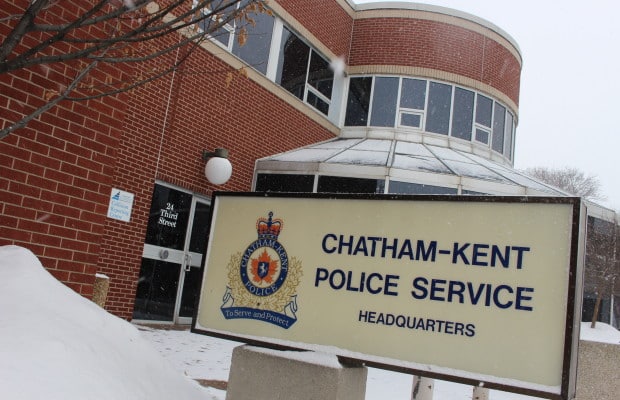
    With spring officially here, there are two safety concerns the Chatham-Kent police are hoping to bring to your attention.

    First, there are the dangers that exist near streams, rivers, ponds and lakes around this time of year. Children and pets particularily should stay away from the edges of all waterways.

    Warmer temperatures, rain, melting snow and ice contribute to higher, faster flowing water in our rivers. Slippery and unstable banks and extremely cold water temperatures can also lead to very hazardous conditions close to any body of water. This also contributes to thin ice on ponds and lakes. Keep off them this time of year.

    You may also notice an increase in car/deer collisions at this time of year as deer become more active.

    Ensure your headlights are on at dawn and dusk and keep your eyes on the road, scanning the sides of the road as well.. When there is no oncoming traffic, switch to high beams to better reflect the eyes of deer on or near the roadway. Be especially aware of any distractions that might take your eyes off the road, even if only momentarily, such as cell phones, adjusting the radio, eating or passenger activities. Watch for “Deer Crossing” signs that mark commonly-travelled areas, and be aware that deer typically cross between areas of cover, such as woods or where roads divide agricultural fields from woods. If you see a deer crossing the road ahead, slow down immediately and proceed with caution until you are past the crossing point. Deer usually travel in groups, so if you see one deer, there are likely to be others. Slow down and blow your horn with one long blast to frighten deer away. Do not rely on devices such as deer whistles to deter deer, as these devices have not been proven to reduce car/deer collisions. Do not swerve to miss a deer. Brake and stay in your lane. Losing control of your vehicle, crossing into another lane, hitting an oncoming vehicle or leaving the roadway and hitting another obstacle such as a tree or a pole is likely to be much more serious than hitting a deer.

    If you hit a deer, stop at the scene, pull your car off to the side of the road if possible and call police. Do not touch the animal or get too close. And remember to always wear your seatbelt.

    To see the full article, go here http://www.thepost.on.ca/2015/03/25/safety-tips-for-spring-time

    Flooding basements are a problem at this time of year, and Security ONE has the solution. Add a flood detector of sump pump monitor to your security system. Call 1-800-265-5317 to learn more, or just CLICK HERE.
  • Pipes Vs. Polar Vortex

    Pipes Vs. Polar Vortex

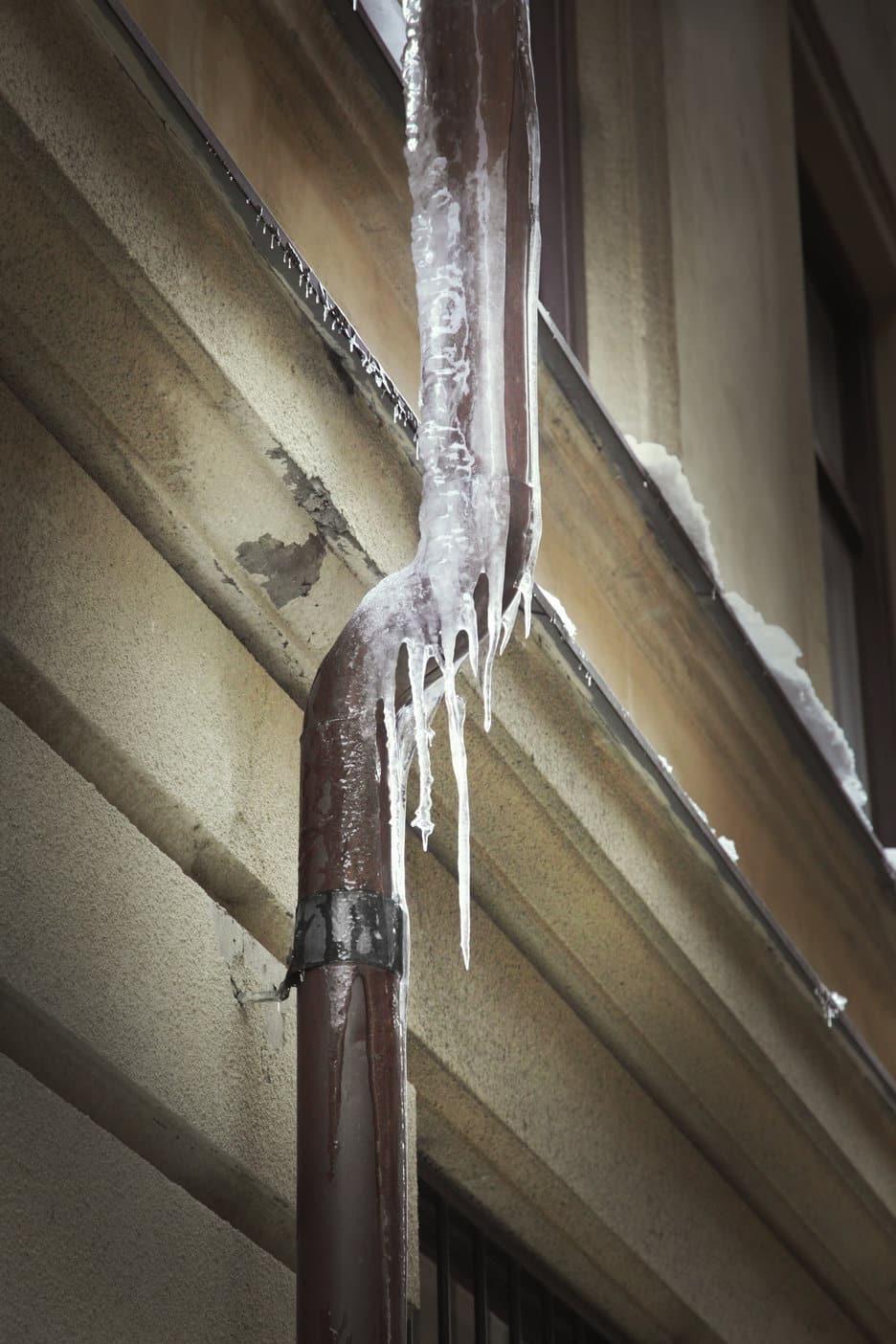
    Don’t let the Winter Vortex wreak havoc on your pipes. Any winter frozen pipes can be a serious issue but this winter seems to be harsher than any in recent memory.

    Burst pipes and flooding are more than just headaches; they are often very expensive issues to resolve.
    By taking a few simple, cost effective measures, you can avoid this type of disaster.

    Insulate any exposed pipes Pay particular attention to the pipes on the outer walls, and in the basement. You Most hardware stores carry foam pipe covers and other types of pipe insulation at reasonable costs.

    Shut off the water supply to pipes you are not using You should have removed the garden hose and shut off water to those taps long ago. Take the extra time to bleed the pipes if there is a valve. This will make sure all the water is drained out of the pipe before the freeze hits your pipes.

    If you’re going away on a winter vacation, turn off the main shutoff valve to the house. Again, drain the water already in the pipes.

    If Your Pipes Freeze If your pipes freeze use a hair dryer or a warm towel to thaw the pipe. Frozen pipes can break cause major flooding.

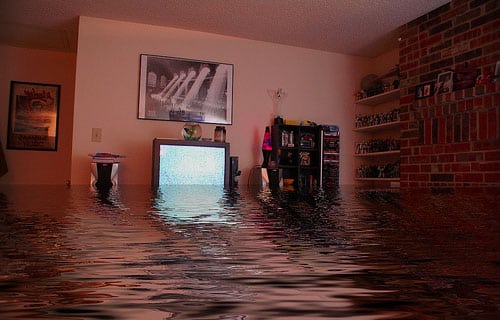
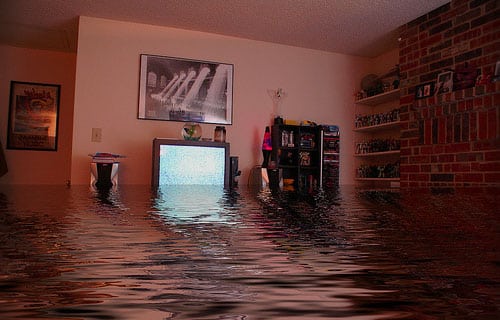
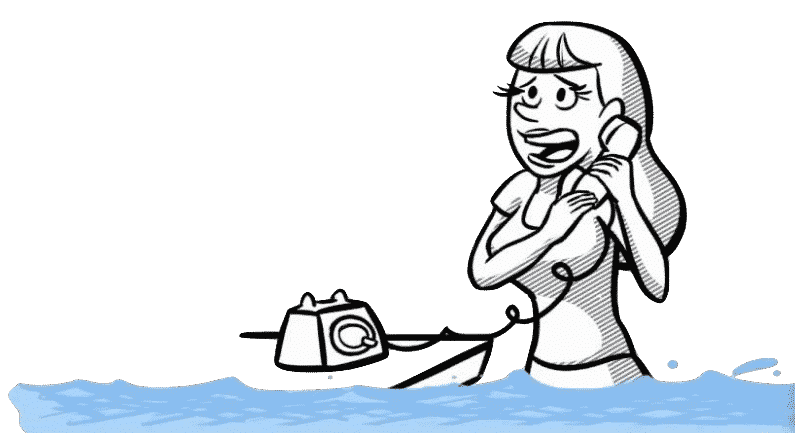
    Flooded BasementFlooding can cause even more damage if happens while you are away. Installing flood detectors is an excellent way to avoid disaster. They immediately alert you to a flood so that you can take steps to fix the situation right away, reducing the damage.

    Flood damage is the leading cause of property damage in North America and most Insurance companies will give discounts to clients that go to the effort to have a fully monitored flood detection system properly installed in their homes.

    To learn more about adding Flood Detectors to your system, call 1-800-265-5317 or CLICK HERE.