WordPress on DigitalOcean

Tag: Fire Safety

  • Secure a Great Mother’s Day Gift With Smart Home Solutions

    Secure a Great Mother’s Day Gift With Smart Home Solutions

    mother’s day

    This Mother’s Day, show your love and appreciation by giving your mom the gift of security. Ensuring her well-being is the ultimate expression of care, and what better way to do so than by equipping her with innovative security gifts? From a safer home to peace of mind, let’s explore some thoughtful security gift ideas that will make this Mother’s Day truly special.

    Video Doorbell with Live-View App Integration:

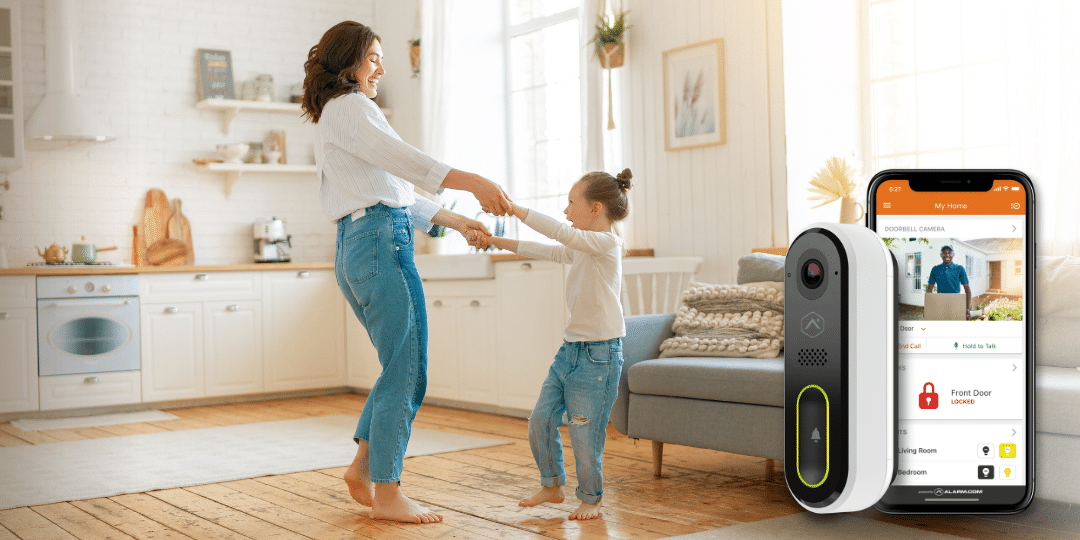
    Let Mom stay connected and in control with a video doorbell that offers real-time visuals and smart integration. Whether she’s at home or away, she can see who’s at the door and communicate through her smartphone. This gift brings convenience, enhances home security, and provides a sense of reassurance.

    mother and daughter dance in the kitchen with overlay of a video doorbell and phone with integrated app for mother's day

    Monitored Smoke and Carbon Monoxide Detectors:

    Smart homes bring the ultimate peace of mind, and protecting Mom’s home and family is of utmost importance. Consider gifting her with monitored smoke and carbon monoxide detectors. These devices go beyond detecting potential hazards; they also automatically alert emergency services if necessary. With these detectors in place, Mom can rest easy, knowing that her loved ones are safe from fire and harmful gases.

    Connected Car:

    Enhance Mom’s safety on the road with a car monitoring system. This gift offers features like GPS tracking, real-time alerts, and vehicle health diagnostics. From tracking her car’s location to receiving notifications about unexpected events, such as unauthorized usage, this gift provides added security and peace of mind.

    Medical Alert Devices:

    Ensure Mom’s well-being with a reliable medical alert device. These devices enable quick access to emergency services at the press of a button. Whether she’s at home or out for a walk, Mom will have a lifeline during unforeseen situations. This gift promotes independence, giving Mom the confidence to lead an active lifestyle without worrying about her safety.

    This Mother’s Day, honor your mother by prioritizing her well-being and security. Show her she deserves the best with thoughtful security gifts that bring peace of mind, convenience, and a blissful life. From a video doorbell that keeps her connected to a monitored home for added safety, a car monitoring system for worry-free travels, and a reliable medical alert device for independence, these gifts reflect your love and care. Remember, a smart home brings ease and enhances her daily life. This Mother’s Day, let your gift ensure her security and make her feel truly cherished. Happy Mother’s Day to all the incredible mothers who deserve the best!

  • Secure Your Home: Spring Security Checklist

    Secure Your Home: Spring Security Checklist

    Spring security

    spring security

    Springtime: the weather is getting warmer, the birds are singing, the flowers are blooming, and our homes are in desperate need of a good cleaning. While you’re sweeping up the dust and washing the windows, don’t forget about your home security. Keeping your home safe and secure requires regular maintenance, just like any other part of your home. Here’s a comprehensive home security spring cleaning checklist to make sure you’re doing everything you can to keep your home secure.

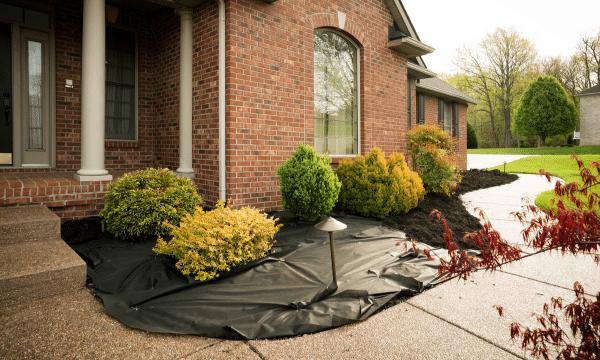
    the front step of a home with landscaping still covered from winter to discuss spring security

    1. Check Locks on Windows and Doors

    Secure Your Doors and Windows Check the locks on all your doors and windows to make sure they’re working properly. If you have any broken locks or windows, get them repaired as soon as possible. You may also want to consider installing contacts on your doors and windows to strengthen your home security system.

    2. Trim Your Hedges and Trees

    Overgrown hedges and trees can provide cover for burglars. Keep them trimmed back to eliminate any hiding spots. It will also leave your yard looking amazing as hot weather approaches.

    3. Update Emergency Contacts and Check In With Your Key-Holder

    Make sure your personal emergency contacts are up to date and check in with your key-holders to ensure they remember the key-holder protocols. If you’ve recently moved or changed phone numbers, be sure to let these contacts know.

    4. Develop an Emergency Safety Plan

    Develop a safety plan with your family in case of an emergency. Make sure everyone knows what to do in case of an emergency situation.

    5. Check Cameras for Obstructions

    It’s easy for something to get in the way of a camera’s view, especially when tidying around indoor cameras. It’s a good practice to ensure every camera has a clear view of its intended area. For hard-to-reach cameras, this process is easier than ever: simply log into your Alarm.com app to view your camera’s perspective.

    6. Replace the Batteries of Your Smoke and Carbon Monoxide Detectors

    That’s right, it’s time to replace your smoke and carbon monoxide detector battery as per the recommendation of the Canadian National Fire Code to replace batteries at least once annually. With Power-G smoke and carbon monoxide detectors, this replacement is even easier with safety indicators that give you notice prior to a required battery change. Take the opportunity to ensure you have even detection in every area of your home.

    Planning to take advantage of the season with a road or camping trip? Monitored detectors go the extra mile to protect your home while you’re away.

    7. Inspect Outdoor Lighting

    Adequate lighting around your home can deter burglars by making it more difficult for them to remain unseen. Take a walk around your property and check all outdoor lights to ensure they are working and positioned to illuminate areas of potential entry. Motion-sensor lights can also be a great addition to your home’s security system.

    By following this comprehensive home security spring cleaning checklist, you can ensure that your home is safe and secure for the coming months. Remember, home security is an ongoing process, so make sure to keep up with regular maintenance and updates to keep your home safe all year round.


  • Monitored Smoke Detectors: A Game-Changer in Fire Prevention

    Monitored Smoke Detectors:

    A Game-Changer in Fire Prevention​

    Smoke detectors are an essential component of any home’s fire prevention system, but monitored smoke detectors take this to the next level. Monitored smoke detectors not only detect the presence of smoke, but they also alert a monitoring center that can dispatch emergency services if necessary. As a result, monitored smoke detectors offer several benefits over traditional smoke detectors, including enhanced safety, protection of property, and peace of mind. In this blog post, we’ll delve into the advantages of monitored smoke detectors and how they can help keep you and your loved ones safe.

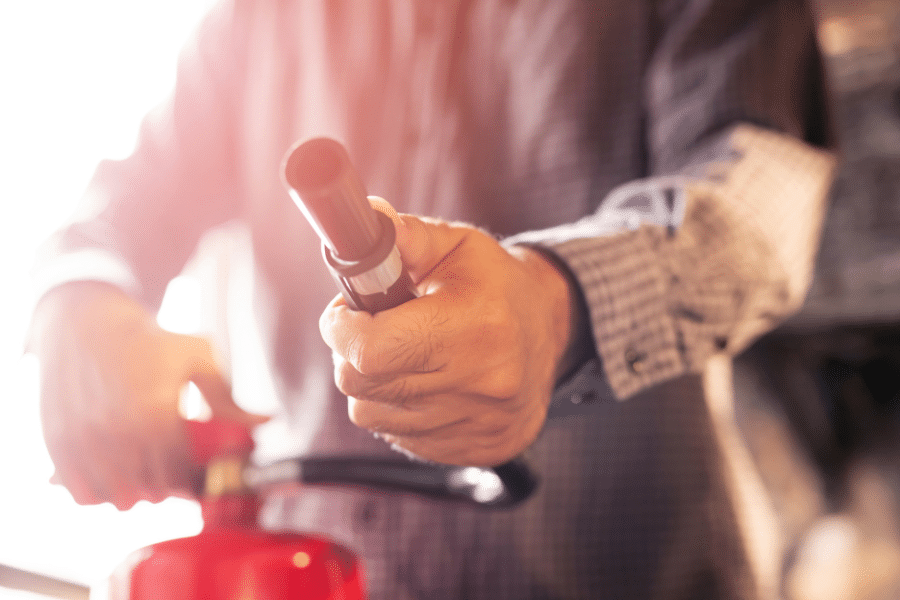
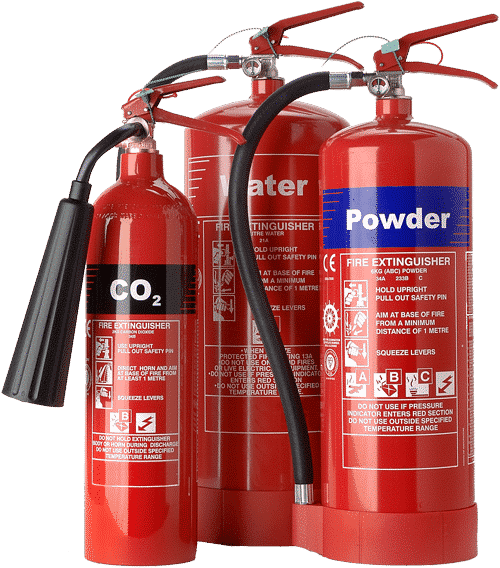
    man holds and points a fire extinguisher up close to emphasize the importance of early detection with monitored smoke detectors

    1. Early Detection of Fire

    Monitored smoke detectors are designed to detect smoke and fire early, giving you and your family more time to evacuate your home. Swiftness is integral to fire safety and is growing increasingly crucial as fires are burning faster and hotter than ever before. With a monitored smoke detector, the alarm will sound as soon as the detector senses smoke, and the monitoring center will be alerted simultaneously. This means that the fire department can be dispatched to your home right away, reducing the risk of damage to your property and potential harm to your family.

    1. 24/7 Monitoring

    Another significant benefit of monitored smoke detectors is that they offer 24/7 monitoring. This means that your home is always protected, even when you’re not there. If a fire breaks out while you’re away, the monitoring center will be alerted immediately and can take action to notify the fire department. This can be especially helpful if you’re away from home for an extended period, such as on vacation or at work.

    1. Reduced False Alarms

    Monitored smoke detectors are designed to reduce false alarms, which can be a significant inconvenience and may cause you to ignore the alarm in the future. With a monitored smoke detector, the monitoring center will be able to determine whether the alarm is legitimate or a false alarm, reducing the risk of unnecessary emergency response.

    1. Integrated with Home Security System

    Monitored smoke detectors can be integrated with your home security system, providing an extra layer of protection. If your home security system is triggered, the monitoring center will be alerted, and the fire department can be dispatched if necessary. This means that you have a comprehensive security system that includes fire protection, which can be especially important in areas prone to wildfires or other natural disasters.

    1. Peace of Mind

    Monitored smoke detectors can be integrated with your home security system, providing an extra layer of protection and peace of mind, especially when you’re away or traveling. If your home security system is triggered, the monitoring center will be alerted, and the fire department can be dispatched if necessary. This means that you have a comprehensive security system that includes fire protection. Knowing that your home is protected 24/7, even when you’re away, can provide you with peace of mind and confidence that your home is safe.

    In conclusion, installing monitored smoke detectors is an essential part of home safety. They offer early detection of fires, 24/7 monitoring, reduced false alarms, integration with your home security system, and most importantly, peace of mind. As a home security company, we highly recommend that you invest in monitored smoke detectors to keep your home and family safe.

  • Fireplace Safety Tips: Best Practices to Keep Your Home Safe

    Fireplaces can be a cozy and attractive addition to any home, but it’s important to follow safety guidelines to prevent accidents and fires. Here are some fireplace safety tips to keep in mind: 

    Safe Practices

    1. Have your fireplace inspected and cleaned annually by a professional. This will help ensure that your fireplace is in good working order and reduce the risk of a chimney fire. 
    1. Use a fireplace screen to prevent sparks and embers from escaping the fireplace and starting a fire. 
    1. Only burn dry, seasoned wood in your fireplace. Wet or green wood can produce more smoke and creosote, increasing the risk of a chimney fire. 
    1. Use a proper fire starter to ignite the fire, rather than accelerants like gasoline or kerosene. These can be extremely dangerous and increase the risk of a fire spreading quickly. 
    1. Keep a fire extinguisher nearby in case of emergencies. 

    Greater Prevention

    1. Never leave a fire unattended, and make sure the fire is completely extinguished before you go to bed or leave the house. 
    1. Keep children and pets away from the fireplace when it is in use and teach them about the dangers of fire. 
    1. Install monitored smoke alarms and have them tested regularly. 

    Make sure you have working smoke detectors on every floor of your home. These devices can detect smoke or fire and give you and your family a chance to evacuate safely. If you have a monitored smoke detector system, an agent will also be alerted and can dispatch emergency services to your home for quick response. 

    Don’t take the risk – make sure you have a smoke detector system in place to protect your family and your home. By following these safety tips, you can enjoy your fireplace without worrying about accidents or fires.  

    You can learn more about our residential smoke detector systems here.

  • Spring Fire Safety

    Spring Fire Safety

    Fire officials recommend testing your smoke & carbon monoxide detectors at least twice a year. While the easiest time to do that is when you change your clocks, you may have forgotten to do this important task. Here are some fire safety tips you need to know.

    change_your_smoke_alarm_battery

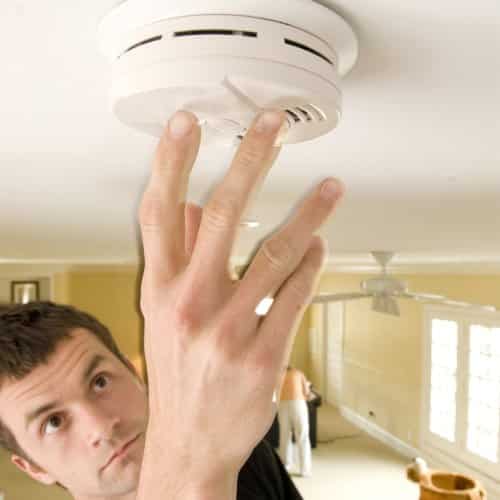
    If your smoke or carbon monoxide detectors are battery operated, change the batteries twice per year in the spring and in the fall. If the devices are hard wired, test them to make sure they are working properly.

    Its also a good time to review all of your fire safety items:

    • Check all electrical cords to make sure they are old and frayed
    • Clean up dead grass, leaves and other bushes around the yard that could be a fire hazard
    • Check fire extinguishers and have them serviced if necessary
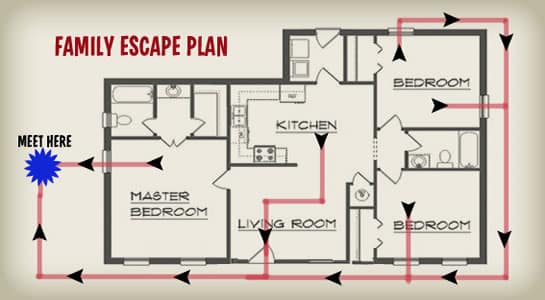
    • Go over the family fire escape plan
    • Clean out the BBQ and have fuel repairs if necessary

    Extinguisher

    Fire officials recommend changing smoke detectors and carbon monoxide detectors every 7 years.

    To learn more about adding monitored smoke detectors and carbon monoxide detectors to your security system, and our Spring Life Safety Device Special, call 1-800-265-5317 or just CLICK HERE!

  • Fire Planning

    Fire Planning

    Fires can happen anywhere. A fire in a large building creates an enormous risk to everyone. Other reasons for evacuating buildings include natural gas leaks, earthquakes, hazardous material spills and storms. Knowing what to do is the key to surviving a fire emergency. Conducting regular fire drills will give you the knowledge and confidence to escape a fire safely. There are two steps for a good evacuation program – planning and practice.
    Flames
    Growth and Speed of Fire
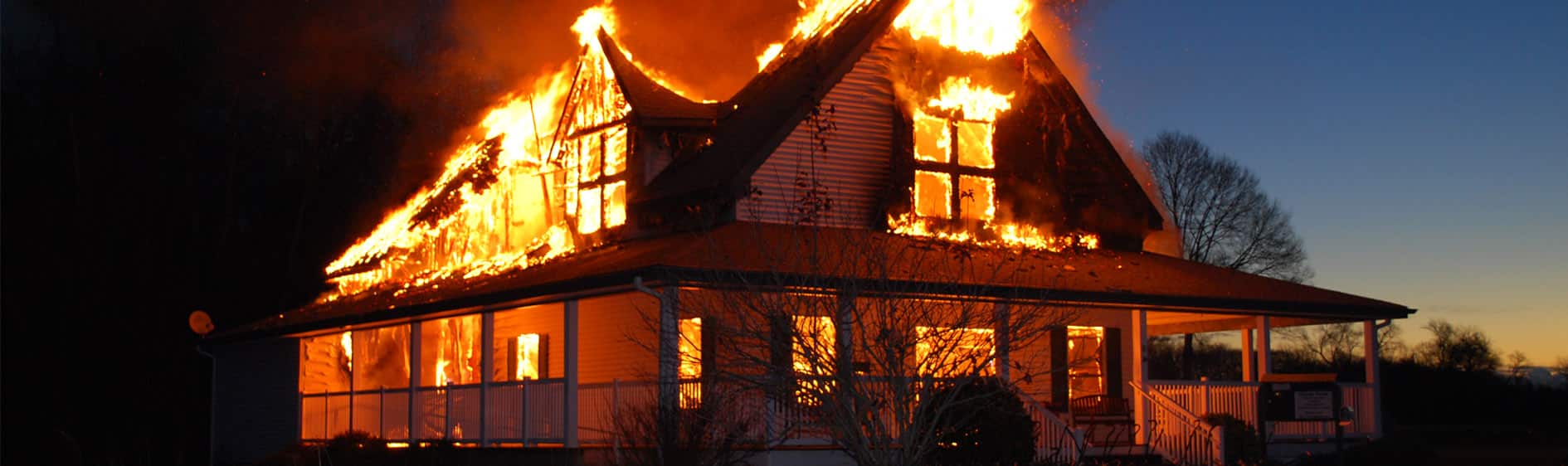
    The following is a timeline of an actual 2-story house fire. It will show you just how fast fire spreads:
    • :30 Fire ignites and grows rapidly.
    • 1:04 From first flame, fire spreads and smoke begins to fill room.
    • 1:35 Smoke layer descends rapidly, temperature exceeds 190°F.
    • 1:50 Smoke detector at foot of stairs alarms. Still time to get out.
    • 2:30 Temperature above couch over 400°F.
    • 2:48 Smoke pours into other rooms.
    • 3:03 Temperature three feet above floor in room of origin is over 500°F. (No one could survive.)
    • 3:20 Upstairs hall filled with smoke – Escape more difficult.
    • 3:41 FLASHOVER – Energy in room of origin ignites everything. Temperature is 1400°F.
    • 3:50 Two minutes after smoke detectors sounds, 2nd exit is only way out.
    • 4:33 Flames just now visible from exterior of house – first evidence of fire from outside. AT THIS POINT, RESCUE MAY NOT BE POSSIBLE.
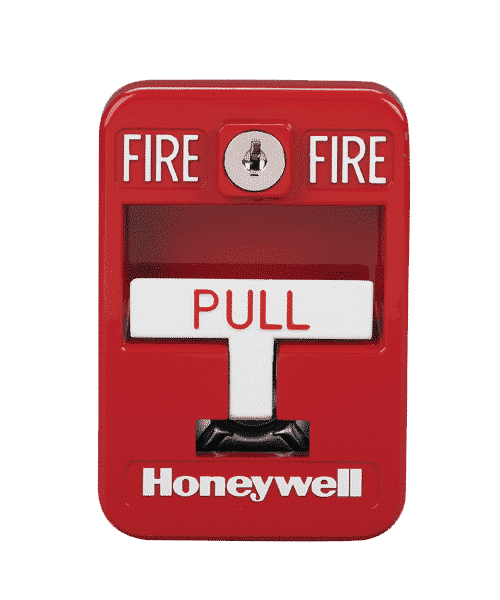
    Firealarmpullstation
    Planning
    Planning gives you the information you need ahead of time to evacuate safely. In the workplace, employees and supervisors should plan together for exiting their worksite. At school, involve all school staff including teachers, administrative and office workers, and the maintenance and food service staff. Working together, design an evacuation plan to meet the specific needs of your building and your occupants. Make the plan clear and concise. Review the plan and walk through the exit procedure to make sure that everyone knows what to do.
    Each building, whether it be a school, workplace or multi-family living unit, should have a posted exit diagram (plan) and everyone should be familiar with it.
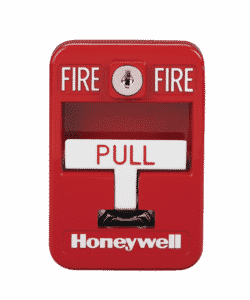
    Be sure that smoke detectors are installed and maintained. Know the sound of the fire alarm. Everyone should recognize and respond to the sound of the smoke detector or other fire alarm immediately. Immediate response is vital for a quick, orderly evacuation.
    Everyone should exit in an orderly manner to prevent confusion and minimize panic or injury. No one should push their way out an exit. Single file lines are best in controlling traffic to the exits.
    Consider special needs people. When developing your escape plan, remember that younger, older, or disabled people may need special assistance. Anyone with special needs should be located as close to an exit as possible. Train others to give special assistance with evacuation.
    Be sure to know two ways out. There should be two ways out of every area of the home, school, or workplace. If the primary exit is blocked by smoke or fire, use your second exit. Point out all emergency exits as you walk through the emergency procedure.
    Always use the stairways to exit multi-story buildings. Do not use an elevator. An elevator may stop between floors, or go to the fire floor and stop with the doors open.
    If a room or corridor is filled with smoke, crawl low on your hands and knees to exit. The cleaner air is closer to the ground.
    Plan your meeting place. A designated meeting place outside the building is a vital part of an evacuation plan. Count heads. Be aware of who is there (hopefully everybody will be accounted for) and who is not there. When the fire department arrives, you can report if there is anyone missing.
    Know what to do if you can’t escape. You’ll need to plan your actions in case immediate escape is impossible. If possible, for example, stay in a room with an outside window and always close doors between you and the fire. Think about what you could use – sheets, towels, curtains, or even large pieces of clothing – to stuff around cracks near the door and wave as a signal to rescuers. Know how to open the window to ventilate smoke, but be prepared to close the window immediately if an open window makes the room smokier. If there is a phone, call the fire department with your location, even if firefighters are already on the scene. Remember, stay low in smoke until you’re rescued.

    HomeFireSafetyEscapePlanimage
    Practice
    After planning, practice to make sure that everyone knows what to do. Have fire drills. Practice your fire escape periodically throughout the year. Remember, the element of surprise simulates a real fire and adds essential realism to your fire drill program. Appoint someone to monitor the drill. This person will sound the alarm and make the drill realistic by requiring participants to use their second way out or to crawl low. This could be done by having someone hold up a sign reading “smoke” or “exit blocked by fire.” The monitor also will measure how long complete evacuation takes.
    Coordinate arrangements for fire drills in apartments or other multi-family homes, in schools or in workplaces with the local fire department.
    After the evacuation, take a head count at the designated meeting place(s) to account for everyone’s participation and safe evacuation.
    When everyone is back inside the building after the drill, gather everyone together to discuss any questions or problems that occurred during the drill. Redesign the drill procedures as needed. Make the next fire drill even more effective.
    Remember, once you are outside, stay outside. Don’t go back in until the proper authorities say it is okay.

    To learn more adding Smoke Detectors or Fire Monitoring to your security system, call 1-800-265-5317 of just CLICK HERE.

  • Fire Safety Tips

    Fire Safety Tips

    With the changing weather comes a host of to-do items around your home. Being aware of your surroundings will help keep you safe as the seasons change from fall to winter.

    Smart Smoke

    You should always be thinking fire safety around the house, but maybe a little more at this time of year, because we have more appliances to plug in. If you didn’t change the batteries in your smoke detector when you set your clocks back, do so! Make sure your family has a well rehearsed escape plan as well.

    Do a quick check around the house to make sure there are no flammable substances near your furnace that have been left out from a summer project.

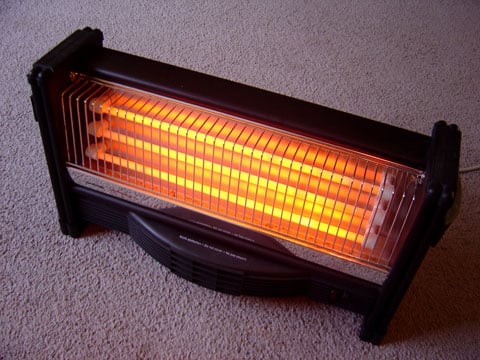
    space-heater

    Don’t put your space heater too close to your bed, curtains, or furniture. Shut them off when you’re not using them, and never leave them unattended. Do not use them to dry off wet clothing like mittens or hats.

    If you have a chimney, make sure it totally clear so your fire can breathe. Do a quick visual inspection of the bricks on the outside to see that it is in good condition. Keep matched, lighters and candles away from children and pets.

    While doing your outside inspection, look for bad windowsills, loose shingles and slanting concrete. Check all the outdoor light fixtures, and clean your gutters or eaves troughs.

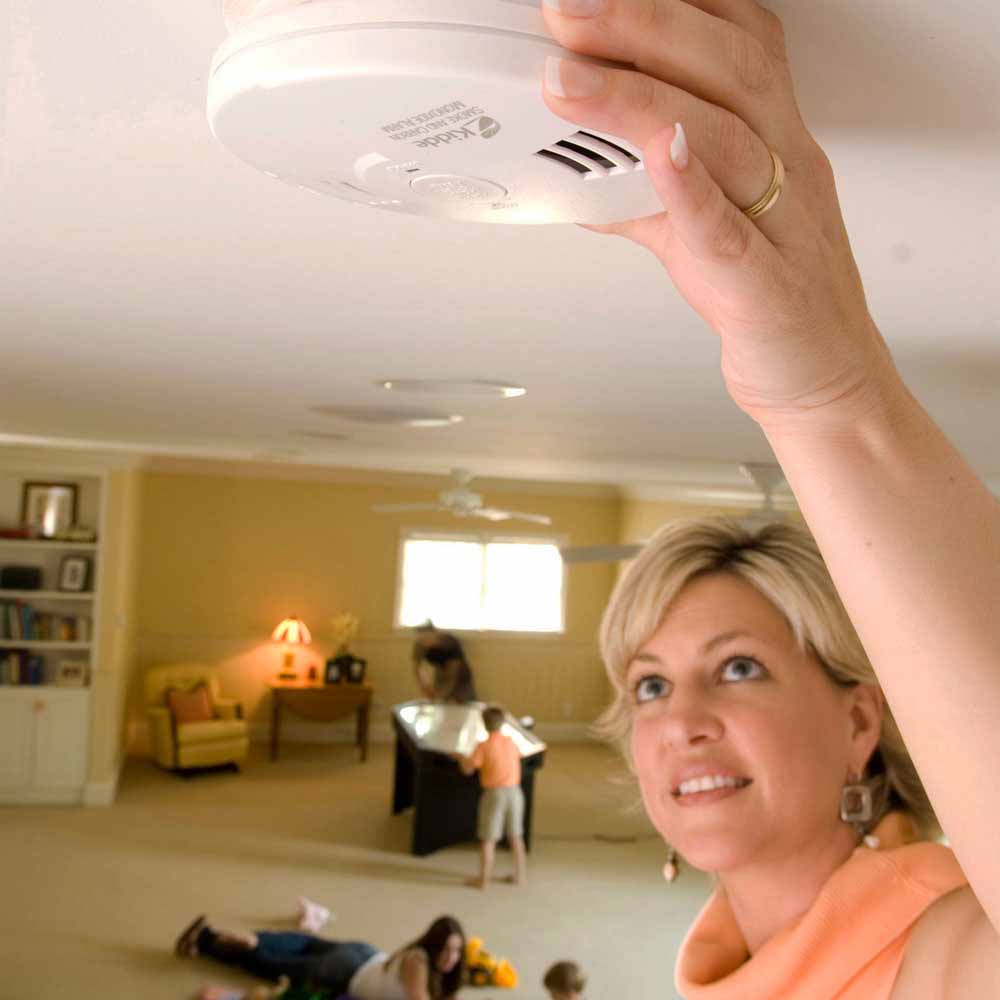
    2KIDDE-KN-COSM-IB-lf-lg

    Smoke Detectors should be installed on every floor, and should be changed every 5-7 years.

    To add monitored smoke detectors to your security system, call 1-800-265-5317 or just CLICK HERE.

  • Fire And Spinkler Systems

    Fire And Spinkler Systems

    Many homeowners do not consider installing a fire sprinkler system. Swayed by common misconceptions as well as perceived aesthetic issues, even safety-conscious homeowners sometimes steer away from sprinkler systems. That’s beginning to change, however, as more homeowners learn about the benefits of the systems and as less conspicuous sprinklers become available. In addition, some communities are beginning to mandate the installation of sprinkler systems in new homes.

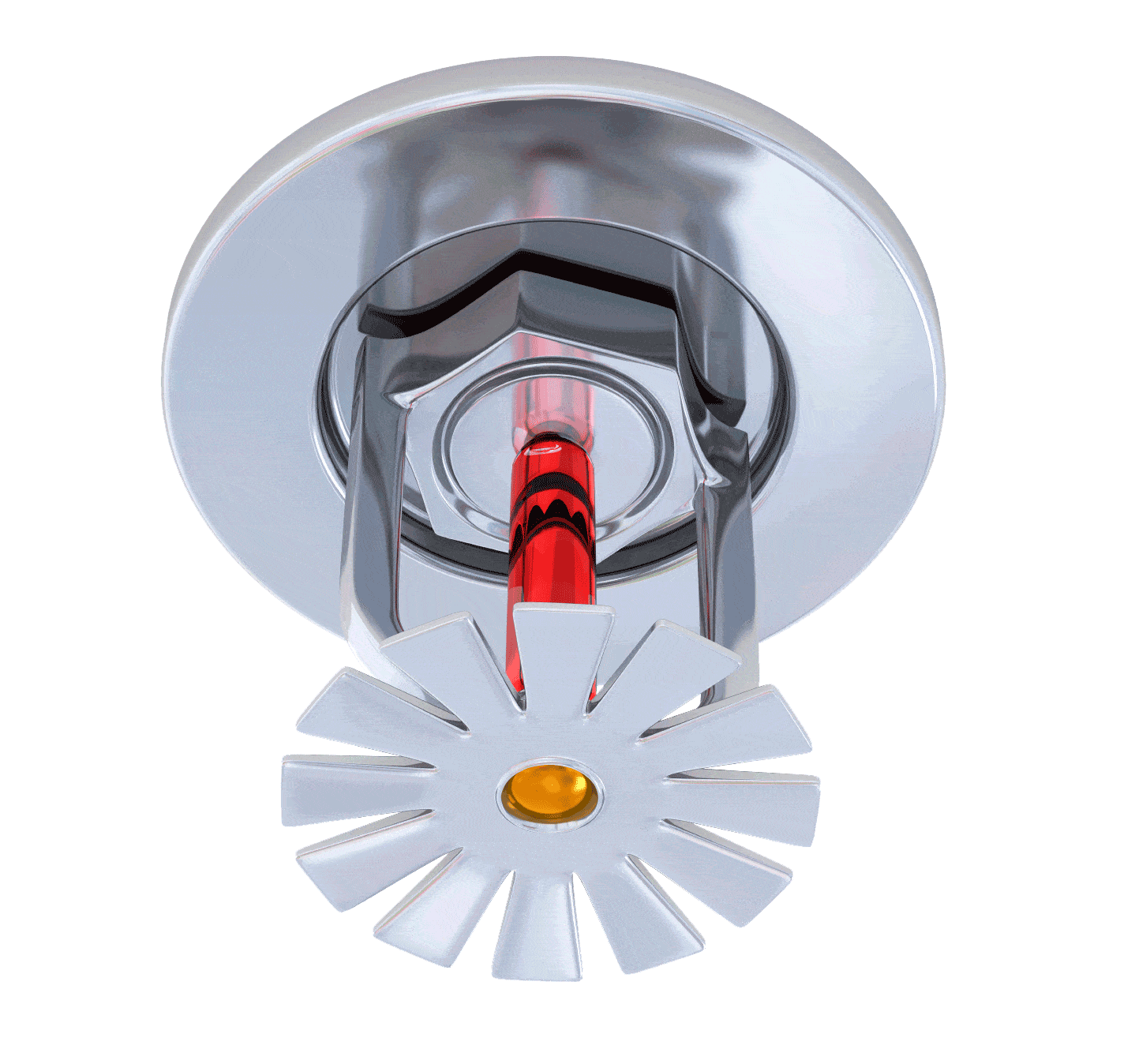
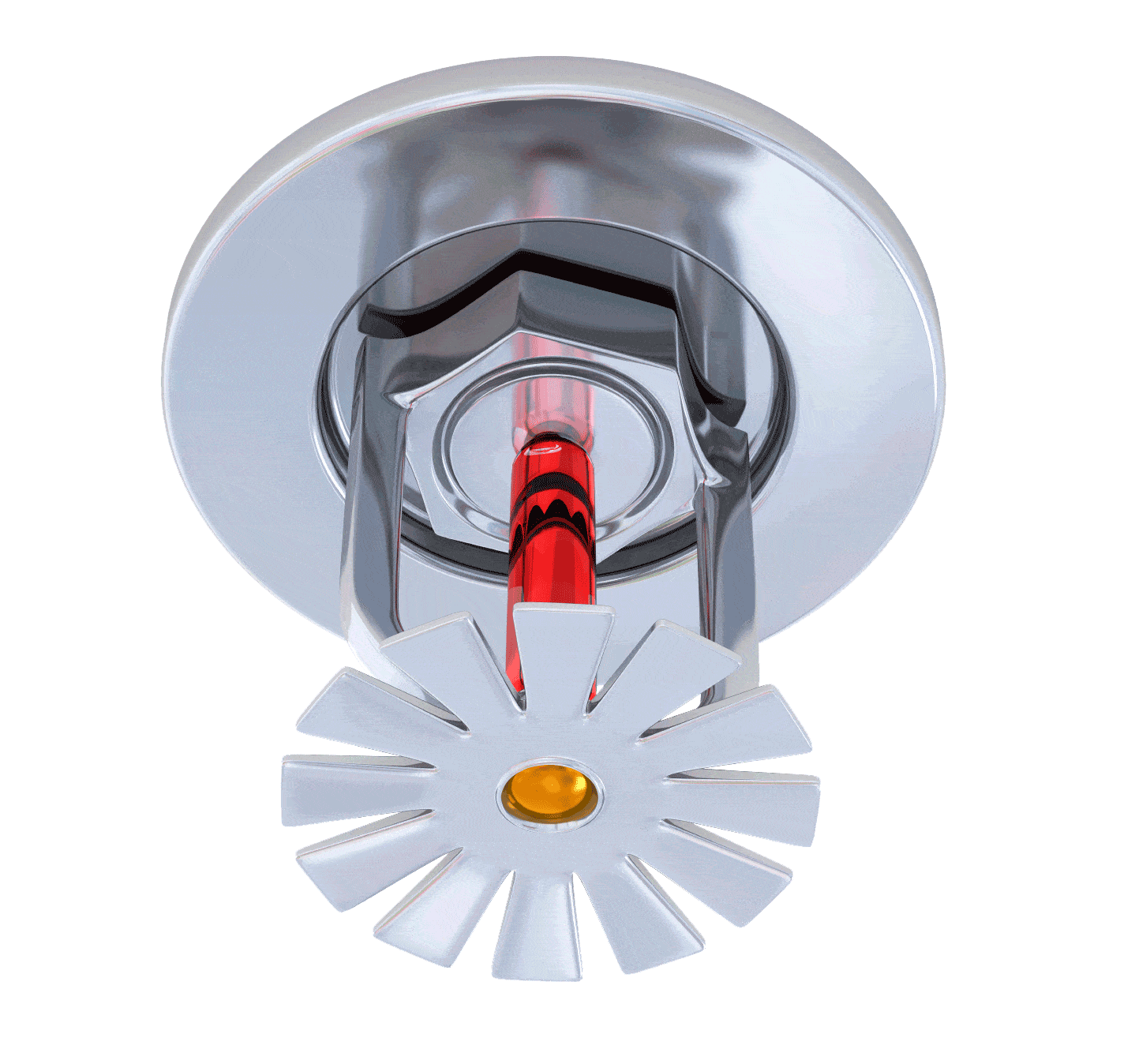
    fire sprinkler system

    Many people believe that sprinkler systems will cause more damage to a home than the fire itself, but that is not true. According to the Scottsdale Report, a fire sprinkler system delivers eight to 10 times less water than the hoses used by firefighters to put out the flames, resulting in less water damage to a home. A fire hose dispenses up to 250 gallons of water per minute, while a typical residential sprinkler head will release just 15 to 20 gallons of water per minute. Typically, only the sprinkler closest to the fire will activate — spraying water directly on the fire. According to industry experts, 90% of fires are contained with just one sprinkler head.

    inspections

    There are other advantages to installing sprinkler systems besides the obvious ones of saving lives and property. Some insurance companies offer discounts for homes with fire sprinkler systems and homeowners may also qualify for a tax rebate. In addition, sprinkler systems can increase the resale value of a home. Today’s prospective homeowners are much more conscious about health and safety issues, and they may be willing to pay a premium for a home with a sprinkler system.

    Some important facts to consider regarding sprinkler systems:
    • Sprinkler systems can contain and extinguish a fire in less time that it would take for a fire truck to arrive at the scene.
    • Home sprinkler systems use a fraction of the water used by fire department hoses and create about 70% less damage to the home.
    • Modern sprinkler systems are inconspicuous; many are mounted flush with the wall and ceiling.
    • Each sprinkler head is designed to go off when it senses significant heat change.
    • Typically, only the closest sprinkler to the fire will activate.
    • With a fire sprinkler system, the risk of dying in a fire is cut by about 80%.

    To schedule a no-obligation evaluation of your premises from our Fire and Life Safety Division, call 1-800-265-5317, or just CLICK HERE.

  • The Wrong Smoke Detectors

    The Wrong Smoke Detectors

    Most houses have smoke detectors installed but many of them could be the incorrect type—and potentially deadly.

    There are two major kinds, ionization and photoelectric. Ionization are the most common. In fact the National Fire Protection Association (NFPA) says 90% of all smoke detectors are ionization.

    2KIDDE-KN-COSM-IB-lf-lg

    Ionization alarms use a small bit of radioactive material to trip the alarm when it detects large burning particles, have been shown to be less able to detect slow-burning or smoldering fires, such as those caused by cigarettes, frayed wires, and sparks from a still-smoldering fireplace.

    Statistics show 30,000 people in the U.S. have died since 1990 because they relied on ionization detectors. That’s because an ionization alarm can sometimes take between 20 and even 50 minutes longer to activate than a photoelectric smoke alarm.

    So why do ionization alarms get placed in homes?

    Answer: They’re cheaper.

    So what’s the best way to protect your family—besides not smoking and otherwise fireproofing your home and holding regular exit drills?

    Invest in photoelectric alarms in bedrooms and hallways, and leave the ionization alarms in the kitchen, if at all.

    CFAA-Logo

    In addition, make sure they are properly placed high on walls or ceilings, are hardwired (preferably by a licensed electrician), which means they don’t rely on battery power, and are interconnected so if one sounds they all sound.

    To add photoelectric smoke detectors to your security system as a monitored zone, call 800-265-5317 or just CLICK HERE.

  • Lessons Learned From Bonduelle Fire

    Lessons Learned From Bonduelle Fire

    The recent fire and public evacuation order at The Bonduelle plant in Tecumseh brings to mind the importance of having – and knowing – a safety plan for your workplace.

    Given the nature and size of the fire, and the extent of the evacuation area, we are all breathing a very big sigh of relief that the local media has reported that were no injuries at all from this fire.

    Extinguisher

    Be sure you are personally aware of your company’s emergency plans. If you are not already familiar, ask for a copy. If your workplace does not have one, you may consider volunteering to help design one.

    Make sure every employee knows the exit routes and evacuation plans in your building.

    Make sure every employee knows at least two exit routes from each room in the building. Be able to exit in the dark.

    emergency lighting

    Make sure every employee knows the location of the fire extinguisher(s) and medical kits.

    Have a designated meeting area that every employee will go to. Make sure there are special emergency plans in place to address any special needs of individual employees.

    Ensure that fire exits and doorways, halls, or stairways are never blocked. Keep fire doors closed to help slow the spread of smoke and fire.

    Keep your own emergency kit in a desk drawer. Useful items include a flashlight, walking shoes, a water bottle, non perishable food, and a small first aid kit.

    Keep a list of important safety numbers such as your spouse’s work number, and your children’s school number at your desk.

    Determine how employees will help others in the event of evacuation orders. Are there employees who would temporarily house, feed, or transport fellow employees?

    To schedule a free, no-obligation review of your business’ fire safety systems, call 1-800-265-5317 or JUST CLICK HERE.

    inspections