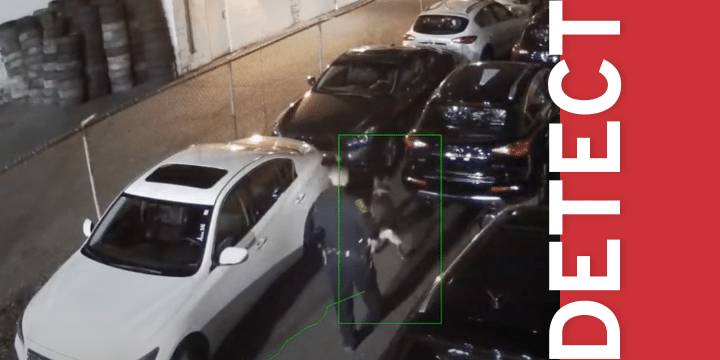
How does proactive video monitoring work?
As technology continues to advance at an exponential rate, the field of security is undergoing a transformative shift. One of the latest innovations making waves in the industry is proactive video monitoring. You may have heard the term thrown around, but what exactly is proactive video monitoring, and why is it generating so much excitement? In this blog post, we will break down the concept of proactive video monitoring, explore its key features, and highlight its significance in modern security systems.
Key Features of Proactive Video Monitoring
1. AI-Powered Analytics
At the heart of proactive video monitoring lies AI-powered analytics. These sophisticated algorithms are trained to recognize patterns, detect anomalies, and differentiate between normal and suspicious activities. By continuously analyzing video feeds, the AI algorithms can identify potential threats, such as unauthorized access, loitering, or unusual behaviours, in real-time. This enables security personnel to respond swiftly and effectively, often preventing incidents before they escalate. Learn more about analytics with Caliber Communications, one of our top proactive camera providers.
2. Real-Time Threat Detection
Proactive video monitoring systems excel at real-time threat detection. As the AI algorithms analyze video feeds, they compare the observed activities against predefined rules and behavioral patterns. Any deviations or anomalies trigger immediate alerts, notifying security personnel of potential threats. By leveraging AI’s ability to process vast amounts of data quickly, proactive video monitoring systems can identify and react to security risks in a matter of seconds, significantly reducing response times.
3. Automated Responses
One of the key advantages of proactive video monitoring is its capability for automated responses. When a potential threat is detected, AI algorithms can initiate predefined actions or responses automatically. These responses may include notifying security personnel, activating alarms or sirens, alerting emergency services, or even controlling physical deterrents like automated locks. By automating these responses, proactive video monitoring systems minimize human error and ensure a swift, standardized reaction to security incidents.
4. Integration With Existing Systems
Proactive video monitoring solutions are designed to seamlessly integrate with existing security systems. Whether it’s integrating with access control systems, alarm systems, or physical barriers, proactive video monitoring can enhance the capabilities of these systems by providing real-time video analytics and intelligent threat detection. This integration allows for a holistic security approach, where multiple layers of protection work in tandem to safeguard assets and individuals.
The Significance of AI
Proactive video monitoring represents a significant advancement in security technology. By leveraging the power of AI and real-time analytics, it revolutionizes how we approach security, shifting from reactive measures to proactive prevention. This approach not only enhances the effectiveness of security systems but also helps deter potential threats, reduces response times, and minimizes the impact of security incidents. Proactive video monitoring is a valuable tool for businesses, organizations, and individuals looking to create a safer and more secure environment.
AI-powered proactive video monitoring ushers in the new era of security, as it combines the immense power of AI and real-time analytics to revolutionize the way we approach security. By actively monitoring video feeds, identifying potential threats in real-time, and initiating automated responses, proactive video monitoring systems provide enhanced security measures. The integration of this technology with existing security systems ensures a comprehensive and proactive approach to safeguarding assets and individuals. As technology continues to advance, proactive video monitoring will undoubtedly play a pivotal role in enhancing security across various industries and environments. Learn more about our Proactive Video Monitoring offerings here.