WordPress on DigitalOcean

Category: All Posts

View Security ONE Alarm Systems Blogs. News updates, Home Health blogs, and business security information will be displayed in order to help you…

  • How to Keep Your System in Tip-Top Shape

    How to Keep Your System in Tip-Top Shape

    A well-maintained security system is crucial for ensuring continuous protection and efficiency. Neglecting regular maintenance can lead to system failures, leaving your home or business vulnerable. Here are essential tips for keeping your security system in top condition.

    1. Regularly Test Your System

    Routine testing is one of the most important steps in maintaining your security system. Set a schedule to test all components, including sensors, cameras, alarms, and motion detectors, to ensure they are functioning correctly. This can help identify potential issues before they become serious problems.

    Step-by-Step Testing Guide:

    • Test sensors and detectors by opening doors and windows or walking in monitored areas to ensure alarms trigger correctly.
    • Check camera feeds to make sure they are clear and unobstructed.
    • Test backups and power supplies to ensure your system will remain active during a power outage.

    2. Keep Software and Firmware Updated

    Manufacturers often release software updates to fix bugs, patch security vulnerabilities, and improve functionality. Keeping your system’s software and firmware up to date ensures you have the latest protections and features.

    3. Clean and Maintain Hardware

    Dust, debris, and weather conditions can impair the performance of cameras and sensors. Regular cleaning and physical inspections can prevent this.

    Maintenance Checklist:

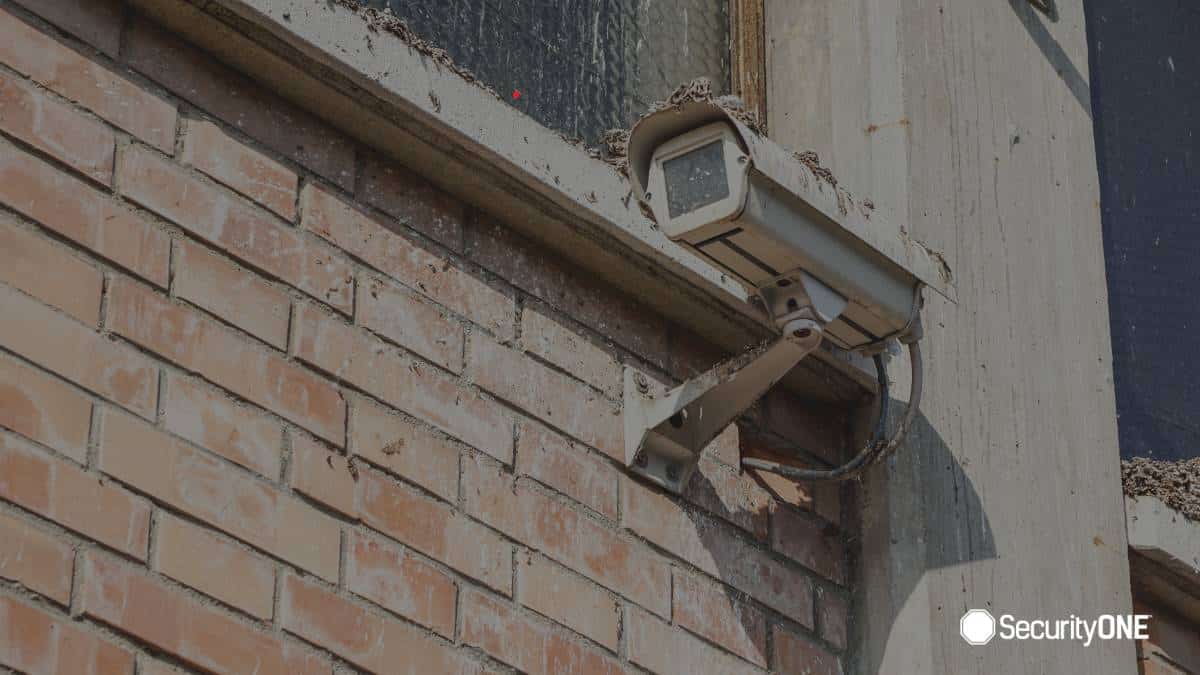
    • Clean camera lenses with a soft, dry cloth to ensure clear video quality.
    • Inspect all outdoor equipment for corrosion or weather damage.
    • Ensure all sensors and devices are securely mounted and have not been tampered with.

    4. Replace Outdated Components

    Security technology evolves rapidly. Regularly review your system’s components to determine if they need upgrading. Replacing outdated cameras, sensors, and other hardware can significantly enhance system reliability and functionality.

    • Upgrade to higher resolution cameras for better image quality.
    • Consider adding more sensors in critical areas for better coverage.
    • Review newer features such as analytics or cloud storage solutions.

    5. Monitor System Alerts and Logs

    Keep an eye on system logs and alerts. Frequent false alarms or error messages can indicate problems that need addressing. Analyzing these logs can help you understand your system’s performance and spot irregularities.

    • Set up notifications for system errors or malfunctions.
    • Review logs regularly to spot trends or recurring issues.
    • Consult with security professionals if you notice unusual patterns.

    6. Professional Inspections

    While many aspects of security system maintenance can be handled on your own, annual inspections by a professional can provide deeper insights and more thorough maintenance. A security expert can assess your system’s overall health and make recommendations for improvements.

    Is your security system overdue for a check-up?

    Contact Security ONE today to schedule a professional inspection and ensure your security system performs at its peak. Maintaining your security system is as crucial as having one in the first place. 
  • How Do You Balance Surveillance with Ethics?

    How Do You Balance Surveillance with Ethics?

    In an era where technology allows for unprecedented levels of surveillance, it’s vital to strike a balance between ensuring security and respecting privacy. As security professionals, we must navigate this delicate balance carefully to uphold not only safety but also ethical standards. Here’s how businesses and homeowners can implement surveillance systems responsibly.

    1. Transparency is Key

    Transparency is fundamental when implementing surveillance solutions. This means being clear about why surveillance is being used, what it will record, and who will have access to the data. For businesses, this involves informing employees, customers, and visitors through visible signs that surveillance is in place, and explaining the purpose behind it.

    2. Limit Surveillance to Necessary Areas

    To respect privacy, surveillance should only be used where it is strictly necessary. For instance, cameras in a retail setting should focus on entry points and areas with valuable goods, not in private areas such as bathrooms or break rooms. In residential settings, placing cameras facing neighbors’ properties or in areas where guests expect privacy should be avoided.

    3. Secure the Data

    How surveillance data is stored and who has access to it are crucial considerations. Data should be encrypted and protected against unauthorized access. Regular audits and updates should be conducted to ensure that the security measures are up to date. Moreover, defining clear policies for data retention and deletion helps in managing data responsibly and in compliance with laws.

    4. Comply with Legal Standards

    Surveillance practices must always comply with local, state, and federal laws, which can vary significantly by jurisdiction. This includes laws related to data protection and privacy. Consulting with legal experts to ensure that your surveillance practices are lawful is a crucial step in maintaining ethical standards.

    5. Use Data Appropriately

    The data collected through surveillance should only be used for its intended purpose, such as enhancing security or investigating specific incidents. Using surveillance data for other purposes, such as monitoring employee productivity or profiling specific groups, can quickly lead to ethical breaches and loss of trust.

    6. Consider the Impact on Community Trust

    Surveillance can affect community trust. It’s important to weigh the security benefits against potential discomfort it may cause. Engaging with the community or workforce to gauge their feelings about surveillance and taking their concerns into account can help in designing a system that respects everyone’s needs.


    Balancing the powerful capabilities of surveillance technology with ethical considerations is not just about protecting property—it’s about respecting the rights and dignity of individuals. By implementing surveillance responsibly, businesses and homeowners can protect their premises and maintain trust and respect from those around them.

    If you’re looking to implement a surveillance system that respects ethical boundaries while enhancing security, reach out to Security ONE today. We’re committed to providing solutions that uphold the highest standards of both security and ethics.

  • How to Reduce or Eliminate Accidental Video Alarms

    How to Reduce or Eliminate Accidental Video Alarms

    Accidental video alarms can be a significant nuisance for both monitoring stations and clients. They waste resources, create unnecessary stress, and can reduce the overall effectiveness of your security system. Additionally, they can waste police resources and may lead to false dispatch fees imposed by the municipality. Thankfully, there are several strategies and best practices that clients can adopt to minimize or even eliminate accidental video alarms. Here are some actionable tips to help you achieve this goal.

    1. Invest in High-Quality Equipment with Advanced Technologies

    The foundation of a reliable security system is high-quality equipment integrated with advanced technologies. Cheap cameras and sensors are more prone to errors and malfunctions, which can lead to accidental alarms.

    Investing in reputable brands and ensuring your equipment is up-to-date can drastically reduce accidental alarms. Look for cameras with advanced motion detection algorithms, night vision capabilities, and modern video analytics that can distinguish between different types of motion. Implementing artificial intelligence (AI) and machine learning can further enhance the accuracy of your system.

    These technologies learn and adapt over time, becoming better at recognizing genuine threats and ignoring accidental positives. Integrating AI into your monitoring system can provide a more reliable security solution.

    2. Proper Camera Placement

    Incorrect placement of cameras is a common cause of accidental alarms. Ensure cameras are positioned to avoid areas with frequent movement from non-threatening sources, such as trees swaying in the wind, busy streets, or areas with heavy foot traffic. Aim to cover the most critical areas with minimal interference.

    3. Adjust Sensitivity Settings

    Most security cameras and systems come with adjustable sensitivity settings. If your cameras are too sensitive, they might trigger alarms for minor movements. Work with your security provider to fine-tune these settings, balancing between detecting real threats and ignoring harmless activities.

    4. Regular Maintenance and Updates

    Regular maintenance of your security system is essential. Dust, debris, and insects can interfere with camera lenses and sensors, causing accidental alarms. Schedule periodic cleaning and inspections of your equipment. Additionally, ensure your system’s firmware and software are up-to-date to benefit from the latest improvements and bug fixes.

    5. Clear Trees and Foliage

    Overgrown trees and foliage can easily trigger accidental alarms by causing shadows or moving in the wind. Regularly trimming and clearing vegetation around your cameras can prevent these natural elements from interfering with your security system. This ensures the cameras have a clear line of sight and reduces the likelihood of accidental alarms.

    6. Use Signage to Inform Pedestrians

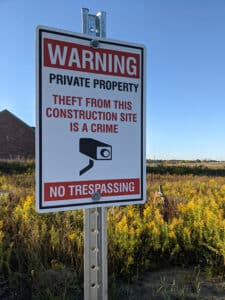
    Construction theft signPlacing clear and visible signage around your property to indicate that the area is under video surveillance can serve as a deterrent to potential intruders and inform pedestrians that the area is monitored. This awareness can reduce accidental triggers of your alarm system by people unaware of the surveillance, thus helping to prevent accidental alarms.
    7. Educate and Train Your Staff

    If you have a team that monitors your security system, ensure they are well-trained in recognizing and responding to alarms. Proper training can help distinguish between accidental alarms and real threats more effectively, reducing unnecessary responses and increasing overall efficiency.

    8. Create an Action Plan for Accidental Alarms

    Despite all precautions, accidental alarms can still occur. Having a clear action plan can help manage these situations effectively. Work with your monitoring station to develop a protocol for verifying alarms, such as using secondary verification methods like audio or additional cameras before dispatching security personnel.

    9. Review and Analyze Alarm Data

    Regularly review the data from your alarm system to identify patterns and potential causes of accidental alarms. Analyzing this data can provide insights into common triggers and help you make informed adjustments to your system.

    10. Work with a Professional Security Provider

    Finally, partnering with a professional security provider can ensure that your system is optimally configured and maintained. Professionals can offer valuable advice, regular maintenance, and immediate support when issues arise, ensuring your security system operates efficiently and effectively.

    By following these tips, clients can significantly reduce the number of accidental video alarms, leading to a more reliable and stress-free security experience. Investing time and resources into optimizing your security system not only protects your property but also provides peace of mind.

  • Your Guide to Pet-Friendly Security Solutions

    Your Guide to Pet-Friendly Security Solutions

    For pet owners, ensuring the safety of your home includes making sure your security setup accommodates your furry family members comfortably. Traditional security systems can often be triggered by pets, leading to false alarms and unnecessary stress. However, with advancements in technology, there are now better solutions that are both effective and pet-friendly. Here’s how you can secure your home while keeping it comfortable for your pets.

    1. Pet-Immune Motion Sensors

    One of the biggest challenges in home security for pet owners has been motion detectors. Standard sensors can mistakenly identify a pet’s movement as a threat, triggering false alarms. Today, pet-immune motion sensors are available which can differentiate between the movements of pets and potential intruders. These sensors can be calibrated to ignore animals below certain weight thresholds, typically up to 80 pounds, ensuring that your pets can move freely without setting off the alarm.

    2. Strategic Camera Placement and Features

    Security cameras are a cornerstone of modern home security systems. For pet owners, the placement and features of these cameras can be tailored for pet surveillance, which not only helps in keeping an eye on the security of your home but also on the well-being of your pets when you’re away. Features like two-way audio can allow you to hear and speak to your pets, which can be comforting for both you and them.

    3. Smart Home Integration

    Integrating your security system with a smart home setup can provide additional conveniences for pet owners. For instance, smart door locks can be used to let in dog walkers or pet sitters without giving out keys. Similarly, smart thermostats can ensure your home remains at a comfortable temperature for your pets, even when you’re not there.

    4. Durable and Chew-Proof Components

    Pets, especially younger ones, tend to chew on anything they can find, including potentially dangerous items like electrical wires. When setting up your home security system, it’s important to ensure that all components are either out of reach or made with durable, chew-proof materials.

    5. Indoor and Outdoor Boundary Solutions

    For pets that spend time outside, securing outdoor areas is crucial. This can be done through perimeter alarms or boundary fences that prevent pets from straying too far, while still detecting human intruders. Such solutions can keep your pets safely within your property’s boundaries without the risk of escaping or getting lost.

    6. Use of Environmental Sensors

    Beyond intruders, environmental threats such as smoke, carbon monoxide, or even water leaks can pose a risk to your pets. Smart environmental sensors can provide alerts to such dangers, giving you time to take action to safeguard your pets and property alike.


    A pet-friendly home security system doesn’t just help protect your home from intruders; it also ensures that your pet’s daily activities don’t result in false alarms, and their safety is also considered in your security plans. With these tailored solutions, you can create a safe and comfortable environment for your pets while maintaining robust security.

    Are you looking to enhance your home security with pet-friendly solutions? Contact Security ONE today to explore our range of products designed with both your family’s and your pets’ safety in mind.

  • Ditch Your Keys: The Case for Keyless Locks

    Ditch Your Keys: The Case for Keyless Locks

    As home security technology advances, more homeowners are considering smart locks and keyless entry systems as essential components of their security setup. These innovative solutions not only enhance security but also offer unprecedented convenience and control. Here’s why you should consider upgrading to smart locks and the benefits they bring to your home security system.

    1. Enhanced Security

    Smart locks provide a higher level of security compared to traditional locks due to their advanced encryption methods and the inability to pick them like a standard lock. With features such as built-in alarm systems that trigger upon tampering, and the capability to instantly change access codes, smart locks make your home much harder to breach.

    2. Keyless Convenience

    One of the most significant advantages of smart locks is the elimination of physical keys. The risk of losing keys or having them stolen is no longer a concern. Instead, entry codes, smartphone apps, or even biometrics like fingerprints can be used to access your home, providing both security and convenience.

    3. Remote Access and Control

    Smart locks connect to your home Wi-Fi network, allowing you to lock and unlock doors remotely. This is particularly useful for letting in guests or service providers without providing them a physical key. You can control access to your home from anywhere in the world, directly from your smartphone.

    4. Customizable Access for Visitors

    Smart locks allow you to assign special access codes to visitors. You can set these codes to be temporary or permanent, which is ideal for allowing house sitters, dog walkers, or cleaners into your home when you’re not there. You can revoke access anytime, providing a flexible and secure way to manage who enters your home.

    5. Integration with Home Automation Systems

    Smart locks can be integrated with broader home automation systems, enabling you to set scenarios such as lights turning on when the door unlocks. This integration enhances both the functionality and security of your home, making it smarter and more efficient.

    6. Activity Logs and Notifications

    Most smart locks keep a record of every action taken, including dates and times when the lock was accessed and by whom. This feature adds a layer of security and peace of mind for homeowners who want to monitor access and ensure their home is secure at all times.

    7. Increased Property Value

    Upgrading to smart locks can increase your property’s value. Modern buyers appreciate the integration of smart home technology and may be willing to pay a premium for homes that are equipped with advanced security features.

    Ready to enhance your home security with smart locks and keyless entry systems?

    Smart locks and keyless entry systems offer a perfect blend of security, convenience, and control, making them a worthy investment for any homeowner looking to upgrade their home security. Contact Security ONE today to find the best solutions tailored to your needs and ensure your home is safe and smart. 

  • Protect Your Home While You’re on Vacation

    Vacations are a time for relaxation and fun, but the excitement can be dampened by worries about home security. Whether you’re planning a weekend getaway or an extended trip abroad, ensuring your home remains safe in your absence is crucial. Here are some practical tips to secure your home and enjoy a worry-free vacation.

    1. Invest in a Monitored Security System

    A robust home security system is one of the best ways to protect your home. Opt for a system that includes door and window sensors, motion detectors, and surveillance cameras. With professional monitoring services, you can rest assured that the authorities will be alerted immediately in case of a break-in.

    2. Use Smart Home Technology

    Smart home devices not only add convenience but also enhance home security. Consider installing:

    • Smart locks: Allow you to control and monitor door access remotely.
    • Smart lights: Program your lights to turn on and off at specific times to give the appearance that someone is home.
    • Smart cameras: Enable you to monitor your property in real-time from your smartphone.

    3. Hold Your Mail and Deliveries

    An overflowing mailbox or packages left at your doorstep are clear signs that no one is home. Use the postal service’s hold mail service to keep your mail at the post office until you return. If you expect package deliveries, either reschedule them or ask a neighbor to collect them for you.

    4. Maintain Your Yard

    An unkempt lawn can be a giveaway that you’re not home. Before leaving, mow the grass and trim the hedges. If you’re planning an extended vacation, consider hiring a lawn service to maintain your yard in your absence.

    5. Inform Trusted Neighbors

    Let a trusted neighbor know that you’ll be away and ask them to keep an eye on your property. Provide them with your contact information and any important details about your security system or who to call in case of an emergency.

    6. Secure Windows and Doors

    Ensure that all windows and doors are locked and secure. For extra security, use deadbolt locks on doors and window bars to prevent forced entry. Don’t forget to secure any pet doors or entrances to basements or attics.

    7. Disconnect Electronics and Appliances

    Unplug electronics and non-essential appliances to protect them from power surges and reduce the risk of fire. This includes televisions, computers, toasters, and other small kitchen appliances.

    8. Avoid Social Media Announcements

    While it’s tempting to share your vacation excitement on social media, doing so can alert potential thieves that your home is unoccupied. Save the photo sharing and status updates for after you return.

    Planning a trip soon?

    Contact Security ONE today to explore our range of home security solutions that can help protect your home while you’re away. 

  • Protect Your Kids with these Security Tips

    As parents, the safety of our children is always a top priority. In today’s world, integrating technology into our safety measures is not just smart—it’s necessary. Security systems can play a pivotal role in ensuring the safety of our children, whether we’re at home or away. Here are essential tips and strategies for using security systems to create a safer environment for children.

    Utilize Window and Door Sensors

    Install sensors on all doors and windows. These devices can alert you if a door or window is unexpectedly opened, which is especially important for families with small children who might wander.

    Implement Smart Locks

    Smart locks can be programmed to notify you when they are activated. You can receive alerts on your phone whenever your children enter or leave the house, providing peace of mind when you’re at work or away.

    Set Up Geofencing

    Geofencing uses GPS or RFID technology to create a virtual geographic boundary. It allows you to receive notifications when your child leaves or enters a designated area. This technology is particularly useful for parents of teenagers, offering a balance between supervision and independence.

    Teach Safety Practices

    Combine the use of technology with teaching your children about safety. Explain how the security system works and what they should do in case of an emergency, such as pressing a panic button or calling for help using a security system’s control panel.

    Monitor Internet Activity

    As children grow, their curiosity about the Internet grows too. Use network security solutions that allow you to monitor and control your child’s internet usage. This can prevent exposure to harmful content and help in maintaining online safety.

    Regularly Update and Maintain Your Security System

    Ensure that your security system is regularly updated and maintained. Check batteries, ensure cameras and sensors are functioning properly, and update software to protect against vulnerabilities.


    A well-implemented home security system does more than protect against external threats—it can also be a vital tool in ensuring the safety of children. By integrating advanced security technologies and teaching children about safety, parents can create a secure environment that nurtures the well-being and development of their young ones.

    At Security ONE, we understand the importance of child safety. Contact us today to learn more about our advanced home security solutions that can help you protect what matters most—your family.

  • Should You Implement AI Into Your Security?

    Should You Implement AI Into Your Security?

    In the realm of home security, artificial intelligence (AI) is not just a buzzword—it’s a game-changer. AI has the potential to revolutionize how security systems operate, making them smarter, more efficient, and incredibly proactive. But is AI integration right for your home or business security system? Let’s explore the benefits and considerations.

    1. Enhanced Detection and Recognition Capabilities

    AI-powered security systems can go beyond simple motion detection; they can differentiate between humans, animals, and vehicles, reducing false alarms significantly. More advanced systems can even recognize specific individuals, enhancing security measures for businesses and homes alike.

    2. Real-Time Alerts and Responses

    One of the most significant advantages of AI in security systems is its ability to analyze and respond to threats in real time. AI can instantly evaluate data from security cameras and sensors, alerting you to potential threats more quickly and accurately than traditional systems.

    3. Predictive Analysis

    AI can learn from past incidents and environmental data to predict potential security breaches before they occur. This predictive capability can be particularly useful in high-security areas or for protecting valuable assets in businesses.

    4. Integration with Other Smart Home Features

    AI can seamlessly integrate with other smart home technologies, providing a holistic security solution. For example, it can link with your smart lighting, locks, and even climate control to enhance security based on your habits and preferences.

    5. Cost Considerations

    While AI integration offers numerous benefits, it is also important to consider the cost. Initial setup costs, ongoing maintenance, and potential upgrades can be significant. However, the enhanced security and efficiency often justify the investment, especially for businesses or high-value residential properties.

    6. Privacy Concerns

    With great power comes great responsibility. AI systems often require substantial data input, which can raise privacy concerns. It’s crucial to ensure that any AI system complies with privacy laws and that data is handled securely to protect against breaches.

    7. Future-Proofing Your Security

    Investing in AI-driven security systems can be seen as future-proofing your security setup. As technology advances, systems without AI may become obsolete or less effective. Choosing a system that incorporates AI can ensure longevity and adaptability to new technologies.


    Integrating AI into your security system offers a host of benefits, from improved accuracy and efficiency to predictive capabilities that traditional systems simply can’t match. However, the decision should be weighed against cost, privacy, and the specific needs of your home or business.

    Interested in upgrading to an AI-powered security system? Contact Security ONE today to explore how artificial intelligence can enhance your security measures and provide unparalleled protection for your property.

  • Storing Your Security Footage the Right Way

    Storing Your Security Footage the Right Way

    Security cameras are a vital part of any security system, providing not just real-time surveillance but also a record of events that can be crucial for investigations and legal compliance. However, simply having the footage isn’t enough; how you store it matters just as much. Here, we outline best practices for storing security camera footage effectively and securely.

    Understand the Importance of Proper Storage

    Before diving into the specifics, it’s important to understand why proper storage practices are crucial. They ensure:

    • Accessibility: Footage must be easily retrievable when needed.
    • Integrity: Ensuring the footage is not corrupted or tampered with.
    • Privacy: Complying with laws regarding the recording and storing of video footage, protecting the rights of individuals captured in the videos.

    1. Determine the Right Storage Duration

    One of the first decisions to make is how long to store the footage. This depends on several factors:

    • Legal requirements: Some jurisdictions require footage to be kept for a specific period.
    • Business needs: Depending on your security needs, you may decide to store footage longer.
    • Storage capacity: More storage allows for longer retention but comes at a higher cost.

    2. Opt for High-Quality Storage Solutions

    The reliability of your storage solution is paramount. Consider these options:

    • Local storage: Such as hard drives or dedicated network video recorders (NVRs). These offer fast access to footage but require physical security measures to protect the data.
    • Cloud storage: Provides off-site storage that is scalable and accessible from anywhere, enhancing disaster recovery capabilities. Ensure the cloud provider uses encryption and has robust security measures in place.

    3. Implement Regular Backups

    To safeguard against data loss from hardware failures, theft, or corruption, implement a regular backup schedule:

    • Frequency: The more frequently backups are made, the less data will be lost in an incident.
    • Redundancy: Store backups in multiple locations, using different media to ensure that if one backup fails, others will suffice.

    4. Use Encryption and Secure Access Controls

    Securing your footage against unauthorized access is critical:

    • Encryption: Encrypt data both in transit and at rest to protect it from interception or theft.
    • Access controls: Implement strict access controls and authentication measures to ensure that only authorized personnel can view or manage the footage.

    5. Maintain Compliance with Data Protection Laws

    Be aware of and comply with any data protection laws that apply to your footage:

    • Privacy laws: In many regions, there are specific requirements about how long you can retain footage and how you must protect the privacy of the individuals recorded.
    • Disclosure policies: Understand under what circumstances you are allowed to share the footage with third parties, such as law enforcement.

    Storing security camera footage involves balancing several factors, including compliance, accessibility, data integrity, and privacy. By following these best practices, you can ensure that your security camera system not only protects your property but also complies with legal standards and respects individual privacy rights.

    If you’re looking to upgrade your security camera storage or need advice on the best storage practices, contact Security ONE. Our experts can help you ensure that your security system is robust, compliant, and effective.

  • Flood Defense: How Flood Sensors Can Save Your Home

    Every year, homeowners across Canada face the daunting threat of flooding, which can cause extensive damage to property and personal belongings. The aftermath is often costly and stressful. However, modern technology offers a preventative solution that is simple yet effective—flood sensors. In this post, we will explore what flood sensors are, how they operate, and why incorporating them into your home security system is essential, especially during flooding seasons.

    What Are Flood Sensors?

    Flood sensors, also known as water leak detectors, are devices designed to detect the presence of water where it shouldn’t be. These sensors are small, unobtrusive, and strategically placed in areas of your home most likely to experience water ingress, such as basements, under sinks, near water heaters, and close to appliances like washing machines and dishwashers.

    How Do Flood Sensors Work?

    The principle behind flood sensors is relatively straightforward. Most flood sensors consist of two or more contacts that, when touched by water, complete an electrical circuit that triggers an alarm. This alert can be a local siren that notifies those within the home or an alert sent to your smartphone or central monitoring system, depending on your home security setup.

    For example, installing flood sensors connected to a smart home system can automate responses such as shutting off the water supply or alerting a monitoring service that can then contact emergency services or the homeowner if they’re away.

    Benefits of Installing Flood Sensors

    Early Detection: By detecting water leaks at their onset, flood sensors minimize the risk of extensive water damage, which can compromise structural integrity and destroy personal property.

    Cost Savings: Early detection also means less costly repairs. Additionally, many insurance companies offer discounts on home insurance premiums for houses equipped with flood detection systems.

    Peace of Mind: For those living in areas particularly susceptible to flooding, such as parts of Southern Ontario where spring thaws or heavy rains are common, flood sensors provide reassurance that they are protected against potential water damage.

    Installation and Maintenance

    Installing flood sensors is a straightforward process, often manageable as a DIY project. These devices typically come with instructions and can be placed directly on floors or mounted near potential leak sources. Maintenance involves regular checks to ensure the sensors are free from dust and debris and testing them using small amounts of water to confirm they are operational.

    Why Every Home Needs a Flood Sensor

    The climate is changing, and extreme weather events, including heavy rainfall, are becoming more frequent and severe. For homeowners, the question isn’t if they might experience a flooding incident, but when. Flood sensors act as an early warning system, mitigating the risk of damage and loss due to water in the home. Considering their affordability and the protection they offer, flood sensors are a prudent addition to any home security system.

    Don’t wait for the next big downpour to find out how vulnerable your home is to flooding. Contact Security ONE today to learn more about how our flood sensors can safeguard your home or to schedule an installation. Protect your home, your family, and your future with the right flood detection solutions.