WordPress on DigitalOcean

Category: All Posts

View Security ONE Alarm Systems Blogs. News updates, Home Health blogs, and business security information will be displayed in order to help you…

  • Why Winter Is the Worst Time for a Fire System Failure for Commercial Properties

    Why Winter Is the Worst Time for a Fire System Failure for Commercial Properties

    Winter brings unique challenges that increase fire risk and strain fire protection systems in ways that can put commercial properties, tenants, and operations at serious risk. For property managers and facility operators, the colder months are a time when fire detection and response systems must perform flawlessly—yet they are also when failures are most likely and consequences are most severe.

    From extreme cold impacting system components to slower emergency response times and increased heating loads, winter is the time when fire protection systems can face their toughest test. Proper maintenance, monitoring, and planning must be part of every commercial property’s winter strategy. 

    Cold Temperatures Can Interfere With Fire Protection Equipment

    Fire detection and suppression systems are designed to operate within specific temperature ranges. When those conditions are not met, performance can degrade:

    Detectors may not respond properly: Temperature fluctuations or condensation inside units can affect sensor sensitivity and lead to delayed alerts.

    Sprinkler systems can freeze: Pipes and sprinkler heads exposed to extreme cold risk freezing or blockage. Maintaining minimum temperatures in areas with wet pipe systems is essential for continued readiness.

    Wiring and power systems can be stressed: Ice, condensation, and temperature extremes can contribute to corrosion or weakened signal transmission between alarm components and control panels.

    These challenges are not hypothetical. Commercial facility managers across Canada and the northern United States face real impacts from winter weather when fire safety systems are improperly protected or not regularly tested once temperatures drop.

    • Winter Increases Fire Risk in Commercial Buildings
    • Cold weather patterns increase reliance on mechanical and electrical systems that are common fire starters:
    • Heating equipment and boilers
    • Portable heaters in poorly insulated spaces
    • Higher circuit loads from lighting and electrical systems
    • Combustible storage near heat sources

    Almost every commercial winter preparedness checklist includes fire alarm and suppression system inspection as a critical item precisely because winter conditions elevate risk.

    Power Outages Compound the Problem

    Winter storms can knock out power grids, leaving parts of a building without electricity. If fire alarm systems, emergency lighting, and monitoring connections do not have reliable backup power, protection can be lost at the worst possible moment.

    Power issues can:

    • Disrupt alarm panel operation
    • Interrupt communication with monitoring centres
    • Prevent emergency lighting from guiding occupants during evacuations

    Ensuring backup power systems such as UPS or generator support for fire protection systems is vital for winter reliability and code compliance.

    Monitoring and Verification Are Critical in Winter Conditions

    A commercial fire alarm system can detect smoke and heat, but if that signal does not reach the right responder immediately, valuable time is lost. For property managers, professional monitored systems ensure that fire events—even during after hours or power disruptions—are escalated without delay.

    Professional monitoring:

    • Receives alarm signals 24/7
    • Notifies emergency services immediately
    • Alerts building contacts and stakeholders
    • Helps verify incidents to reduce false alarm dispatches

    This enhances the safety of tenants and reduces uninsured losses.

    Why ULC Fire Monitoring Matters in Winter

    For commercial properties, ULC-listed fire monitoring adds an essential layer of reliability during winter months. ULC monitoring follows nationally recognized standards for alarm signal handling, operator response, and emergency dispatch procedures. This ensures that when a fire alarm is triggered, the event is processed quickly, accurately, and in full compliance with Canadian fire safety protocols.

    In winter, when power outages, frozen equipment, and delayed response times increase risk, ULC monitoring provides consistent oversight and dependable escalation to emergency services. For property managers, this level of certified monitoring helps support Fire Code compliance, insurance requirements, and tenant safety when conditions are most challenging.

    Regulatory and Compliance Expectations Still Apply in Winter

    In Ontario, commercial property owners are responsible for maintaining fire protection systems in compliance with the Fire Code (O. Reg. 213/07), which includes responsibilities for detection, suppression, and alarm systems. This includes ongoing maintenance, testing, and ensuring systems operate effectively at all times of year.

    Failure to maintain systems properly can result in regulatory fines, liability exposure, and increased insurance risk.

    Maintenance Requirements Increase in Winter

    To reduce the risk of failure when it matters most, property managers should prioritize:

    • Fire alarm system checks before and during winter
    • Battery and backup power verification
    • Sprinkler system inspection for freeze protection
    • Control panel diagnostics and network connectivity tests
    • Documentation of maintenance and test results
    • Routine inspections not only support safety but also bolster compliance and can improve outcomes with insurers in the event of a loss.
    • Empty and Underused Spaces Are at Greater Risk

    Vacant areas within commercial buildings—such as storage rooms, lease spaces during tenant transitions, or off-season warehouse areas—are more vulnerable in winter because:

    • They may not maintain adequate temperatures for fire system components
    • They are less likely to have frequent visual inspection
    • Fires can grow unnoticed until they affect adjoining occupied areas

    These spaces require the same attention to fire protection readiness as high-traffic areas.

    Staff Training and Emergency Planning Matter More in Winter

    Winter conditions can slow evacuation and emergency response. Snow, ice, and frozen doors or exits create barriers that are not present in other seasons. Regular staff training, updated evacuation routes, and winter-specific emergency plans help ensure safety when a fire event does occur.

    Final Thoughts for Property Managers

    Winter presents a disproportionate risk to commercial fire protection systems. Extreme cold, increased mechanical loads, power outages, and increased fire hazards from heating systems all contribute to greater likelihood of failure when detection and response are most needed.

    For commercial property owners and managers, winter preparation should include:

    • Rigorous fire system inspection and maintenance
    • Professional monitoring for 24/7 incident escalation
    • Backup power planning and verification
    • Coordination with tenants and staff on winter emergency procedures
    • Understanding these risks and acting proactively ensures that fire protection systems remain resilient even in the harshest conditions.

    Winter may be cold, but your fire protection system should remain reliably hot when it matters most.

  • Cost Analysis of Overnight Security: Why Businesses Are Switching to Video Monitoring

    Cost Analysis of Overnight Security: Why Businesses Are Switching to Video Monitoring

    Security remains a top priority for businesses of all types and sizes. As threats such as theft, vandalism, and liability risks grow, companies increasingly realise that traditional security approaches—like hiring overnight guards or relying solely on passive cameras—are no longer the most effective or cost-efficient solution.

    In 2026, more organisations are making the switch to video monitoring as their primary overnight security strategy. This shift is driven not only by cost advantages but also by better detection, faster response, and smarter technology.

    Below, we explore why businesses are choosing video monitoring over other overnight security options and how this transition supports stronger protection and operational efficiency. 

    Traditional Overnight Security: The Cost Challenge

    For decades, hiring on-site security guards to provide overnight coverage was the standard practice for businesses with high value assets, multiple access points, or vulnerability during off-hours.

    However, on-site guards come with ongoing and often unpredictable costs:

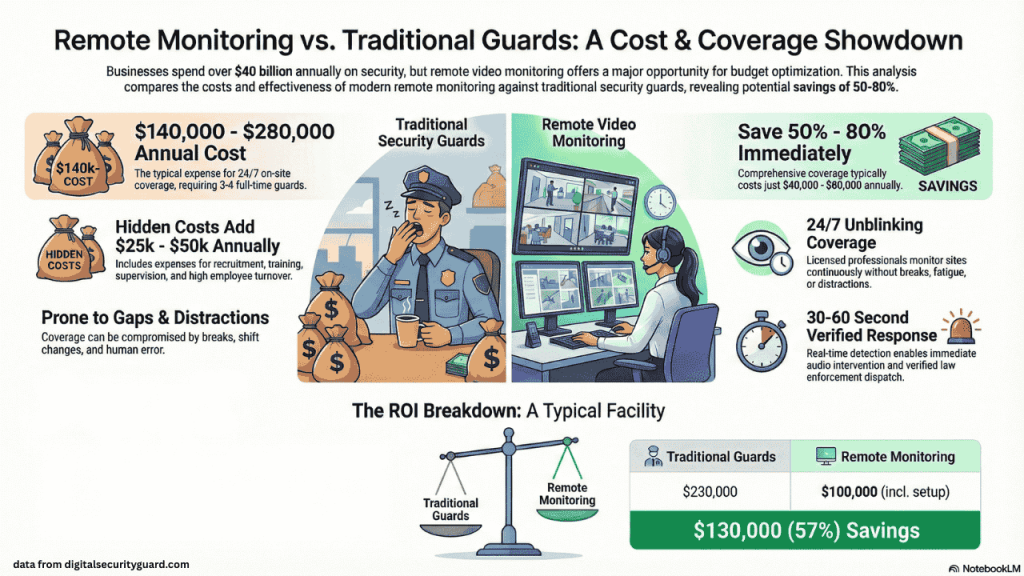
    Salaries and Benefits: A single full-time guard can cost a business $35,000 – $50,000 annually, not including mandatory benefits and insurance premiums that add another 30 % – 40 % to total compensation. When 24/7 coverage is needed, three to four guards are often required to cover shifts, pushing yearly costs toward $140,000 – $280,000 per location.

    Training, Management and Overhead: Hiring, training, scheduling, and supervising guards involves administrative resources that many businesses find burdensome.

    Guard Limitations: Human guards can miss incidents during breaks or shift changes and may not be able to visually monitor all areas of a large facility simultaneously.

    As many organisations reassess their security budgets, these ongoing expenses and limitations make the traditional model increasingly difficult to justify.

    Why Video Monitoring Is Gaining Ground

    Video monitoring refers to the use of cameras connected to remote monitoring services that watch for incidents in real time. When suspicious or unauthorised activity is detected, trained professionals or AI-assisted systems verify events and trigger alerts, deterrents, or emergency responses.

    Here’s why more businesses are switching:

    1. Cost Savings Compared to Physical Guards

    Remote video monitoring typically costs significantly less than the cumulative expense of staffing on-site guards. Studies and industry sources suggest that transitioning to video monitoring can lower security costs by 60 % – 70 % compared to an equivalent 24/7 on-site security guard model.

    Even with monthly monitoring fees, technology costs, and installation fees, companies often see:

    • Reduced staffing overhead
    • Lower benefits and payroll costs
    • Fewer management requirements

    This is especially relevant for businesses with multiple locations that previously needed separate guard teams for each site.

    2. Continuous, Scalable Coverage

    Video monitoring systems operate 24/7 without fatigue, breaks, or shift changes. Cameras cover every angle of the property, and remote operators or AI systems can monitor multiple sites simultaneously.

    This scalability is difficult to achieve with hired guards, who are limited by physical presence and staffing constraints.

    By providing continuous coverage across one or many facilities at once, video monitoring ensures that threats are detected even during periods of lowest activity—like overnight.

    3. Improved Incident Verification and Response

    Modern video monitoring solutions are equipped with advanced features:

    • AI-enhanced analytics that filter real incidents from irrelevant movement
    • Live operator support that verifies and escalates genuine threats
    • Two-way audio systems and automated deterrents
    • Seamless coordination with law enforcement when needed

    This combination of human and machine oversight reduces false alarms and supports faster, more accurate responses.

    Remote guarding services that combine cameras with real-time analysis provide proactive intervention before incidents escalate.

    4. Better Documentation and After-Action Support

    Video monitoring systems automatically record and timestamp footage of critical events. This visual evidence is invaluable when:

    • Filing insurance claims
    • Defending against liability or theft claims
    • Reviewing security gaps
    • Supporting law enforcement investigations

    Video documentation provides factual clarity that traditional guards may not be able to supply after an incident occurs.

    5. Insurance and Risk Management Benefits

    Many insurers view monitored security systems as reduced-risk investments. While not guaranteed, monitored video systems can improve a business’s risk profile and in some cases lead to better insurance terms or premium considerations.

    By demonstrating active security measures that deter incidents and ensure rapid response, businesses can enhance their overall risk management strategy.

    6. Enhanced Deterrence and Proactive Prevention

    The presence of monitored cameras often deters potential criminal activity before it starts. Unlike traditional passive CCTV that only records, monitored systems notify authorities or security teams immediately when suspicious activity is detected, reducing the likelihood of break-ins, vandalism, or looting.

    Remote monitoring also allows for active deterrence tools like voice-down warnings when suspicious behaviour is identified.

    Cost Considerations for Video Monitoring

    Video monitoring costs vary based on business size, number of cameras, technology capabilities, and risk level. For example, services may range from around $30 to $150 per month per camera, with higher pricing for advanced analytics, AI, and enterprise solutions.

    While this expense is ongoing, most businesses find that the predictable monthly cost is easier to budget for than fluctuating labour expenses tied to security staffing.

    Making the Switch: Practical Tips

    If your business is evaluating overnight security options, consider these steps:

    • Assess risk areas and vulnerable hours
    • Determine how many cameras and sensors are needed
    • Evaluate providers with AI or professionally monitored capabilities
    • Compare long-term cost projections versus on-site guard staffing
    • Consider integration with alarms, access control, and environmental sensors

    A tailored video monitoring solution can strengthen overall security while making financial sense.

    Overnight security is too important to leave to chance or outdated practices. As technology evolves and business risks increase, video monitoring offers a cost-effective, scalable, and proactive approach that many companies are adopting in 2026.

    By switching from traditional guards to intelligent video monitoring, businesses can achieve continuous protection, enhanced incident response, and long-term savings—all while supporting stronger safety outcomes for people, property, and reputation.

    When evaluating your security strategy this year, video monitoring deserves a close look—not just as an option, but as a strategic investment in your business’s future.

  • Security ONE Selected by the City of Windsor as Partner for Downtown Monitored Camera Expansion

    Security ONE Selected by the City of Windsor as Partner for Downtown Monitored Camera Expansion

    Security ONE has been selected by the City of Windsor as its security technology partner to deliver and support an expanded network of professionally monitored security cameras in downtown Windsor as part of the City’s Project Greenlight initiative.

    Project Greenlight is part of Windsor’s ongoing strategy to strengthen public safety and support downtown revitalization, building on the success of previous pilot programs that demonstrated the value of monitored camera networks in deterring crime, aiding response, and increasing situational awareness for businesses and emergency services.

    Under the partnership, Security ONE will be responsible for the design, installation, and ongoing support of up to 90 commercial-grade live monitoring camera systems for approved downtown businesses. The work will be carried out by Security ONE’s local installation teams and supported through its professional monitoring infrastructure.

    Approved businesses may receive funding of up to $5,000 toward the installation of live monitoring cameras. Participating businesses will be responsible for the ongoing operational and monitoring fees required to maintain professional oversight and system performance.

    “This project reflects what Security ONE does best; delivering reliable, professionally monitored security technology that supports safer communities, Being selected by the City of Windsor is a strong vote of confidence in our team, our technology, and our ability to deliver secure, scalable solutions that serve the community.”

    Security ONE brings decades of experience providing monitored video surveillance, access control, and intrusion detection systems to commercial, municipal, and community clients across Southwestern Ontario. The company’s focus on locally delivered service, professional monitoring, and long-term support positions it to deliver lasting value for participating businesses.

  • Smart Security Upgrades for 2026: What Ontario Homes and Businesses Should Be Investing In

    Smart Security Upgrades for 2026: What Ontario Homes and Businesses Should Be Investing In

    Security technology is evolving rapidly, and 2026 is shaping up to be a pivotal year for smarter, more proactive protection. From AI-powered video analytics to advanced environmental monitoring, today’s security systems do far more than sound an alarm. They help prevent incidents, improve response times, and give property owners greater control over their safety.

    For homeowners and businesses across Ontario, upgrading your security system is no longer just about protecting against break-ins. It is about creating a connected, intelligent safety ecosystem that protects people, property, and peace of mind.

    Here are the smart security upgrades worth considering in 2026. 

    AI-Powered Video Surveillance

    Traditional cameras record footage. Modern cameras analyze it. AI-enabled video systems can now detect people, vehicles, loitering, and unusual behaviour in real time. Instead of scrolling through hours of footage, users receive alerts only when something meaningful happens.

    For businesses, this means faster response to suspicious activity, reduced false alarms, and better incident documentation. For homeowners, it means smarter alerts that distinguish between a delivery driver, a neighbour, and a potential threat.

    In 2026, expect to see wider adoption of:

    • Person detection and facial recognition for access control
    • Vehicle analytics for parking and perimeter monitoring
    • Behaviour analysis to identify potential risks before incidents occur

    AI transforms video from a passive tool into an active layer of protection.

    Proactive Video Monitoring

    Proactive video monitoring goes beyond recording. It involves trained professionals actively watching camera feeds and responding in real time.

    If suspicious activity is detected, monitoring agents can issue live voice warnings, activate sirens, or dispatch emergency services. This approach helps stop crimes before they escalate.

    Businesses are increasingly choosing proactive video monitoring to protect:

    • Overnight operations
    • Construction sites
    • Retail properties
    • Industrial yards
    • Remote facilities

    This upgrade is especially valuable for properties that cannot rely on traditional guards or on-site staff after hours.

    Smart Access Control Systems

    Keys can be lost, copied, or stolen. Smart access control systems provide a more secure and flexible alternative.

    Modern access control allows businesses and homeowners to manage entry through:

    • Key fobs and mobile credentials
    • PIN codes and biometric access
    • Remote door locking and unlocking
    • Time-based access permissions

    For commercial properties, this means better control over who enters the building and when. For residential users, it means convenience without sacrificing security.

    In 2026, access control is becoming more integrated with video, alarms, and mobile apps for a unified security experience.

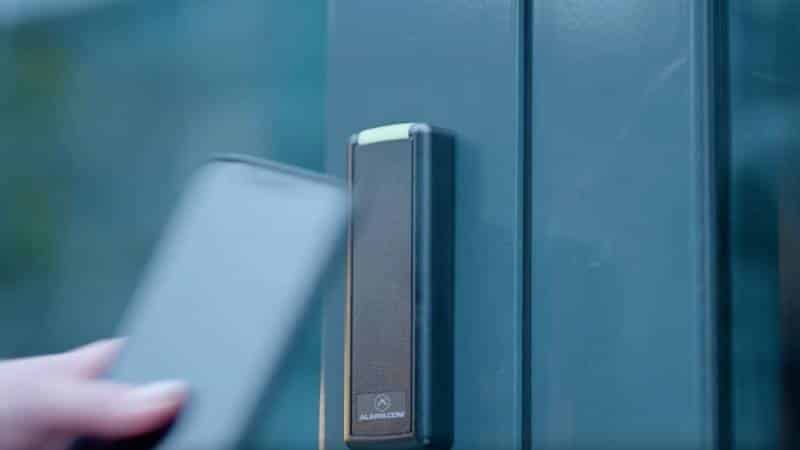
    access control for business with mobile credentials

    Advanced Environmental Monitoring

    Security is not just about crime prevention. Environmental threats like fire, flooding, and carbon monoxide are just as dangerous.

    Smart systems now include:

    • Monitored smoke and heat detectors
    • Carbon monoxide detection
    • Water and freeze sensors
    • Temperature and humidity alerts

    These devices provide early warnings that help prevent property damage and protect occupants. With professional monitoring, emergency services can be dispatched even if no one is home.

    As Ontario continues to update Fire Code and safety regulations, environmental monitoring is becoming an essential upgrade for both compliance and safety.

    Smart Lighting and Deterrence Tools

    Lighting plays a major role in crime prevention. Smart lighting systems can be programmed to turn on when motion is detected or follow scheduled patterns.

    When integrated with cameras and alarms, lighting becomes an active deterrent. Intruders are less likely to target a well-lit property that appears monitored and occupied.

    Smart deterrence tools may also include:

    • Audible warnings
    • Visible alarm indicators
    • Live voice announcements

    These features help prevent incidents before police involvement is even necessary.

    System Integration and Automation

    One of the biggest trends for 2026 is full system integration. Instead of managing separate systems for alarms, cameras, access control, and environmental monitoring, everything works together in a single platform.

    This allows for automated responses such as:

    • Doors locking when an alarm is triggered
    • Cameras recording when motion is detected
    • Lights activating during a security event
    • Emergency alerts being sent instantly
    • Remote access to monitor and control
    • Get insights into business activity

    Automation improves response speed and reduces human error.

    Professional Monitoring Remains Essential

    While smart devices are powerful, they are most effective when backed by professional monitoring.

    Monitored systems ensure that:

    • Emergency services are dispatched quickly
    • Alerts are verified by trained operators
    • False alarms are reduced
    • Help is available 24/7

    Whether it is a break-in, fire, or carbon monoxide event, professional monitoring ensures that someone is always watching over your property.

    In 2026, monitoring is not just about alarms. It is about proactive protection, real-time response, and continuous oversight.

    Why Upgrading in 2026 Makes Sense

    Technology evolves quickly, but security risks remain constant. Upgrading your system ensures you are protected against modern threats with modern tools.

    Smart security upgrades offer:

    • Better detection
    • Faster response
    • Greater control
    • Improved safety
    • Peace of mind

    For businesses, they also support operational efficiency, liability reduction, and regulatory compliance. For homeowners, they provide confidence that loved ones and property are protected.

    Smart security in 2026 is about more than cameras and alarms. It is about creating a connected, intelligent system that works proactively to protect what matters most.

    From AI-powered video to environmental monitoring and professional response, today’s upgrades are designed to prevent incidents, not just record them.

    If you are planning to improve your security this year, now is the right time to invest in technology that delivers real protection, real insight, and real peace of mind.

  • Smoke Alarms vs. Carbon Monoxide Alarms: What Ontario Homeowners Need to Know

    Smoke Alarms vs. Carbon Monoxide Alarms: What Ontario Homeowners Need to Know

    When it comes to protecting your home and family, smoke alarms and carbon monoxide alarms are two of the most important safety devices you can install. While they are often grouped together, they serve very different purposes and both play a critical role in preventing injury, property damage, and loss of life.

    Understanding the difference between these alarms, where they should be installed, and how they work can help ensure your home is properly protected.

    What Does a Smoke Alarm Detect

    Smoke alarms are designed to detect combustion particles in the air. These particles are released when a fire starts, even in its earliest stages. Smoke alarms provide an audible warning so occupants can escape before flames spread or toxic smoke builds up.

    Fires can start from many sources including cooking, electrical issues, heating equipment, and unattended candles. Smoke spreads quickly and can become deadly within minutes. A working smoke alarm gives your family the time needed to react.

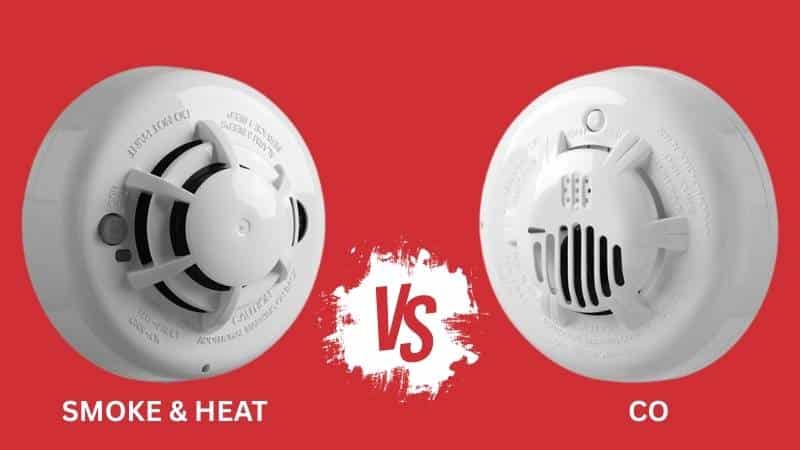
    smoke detector vs a CO detector

    What Does a Carbon Monoxide Alarm Detect

    Carbon monoxide alarms detect a gas that cannot be seen, smelled, or tasted. Carbon monoxide is produced when fuel does not burn completely. Common sources include furnaces, fireplaces, gas stoves, water heaters, and vehicles running in attached garages.

    Because carbon monoxide is invisible and odourless, people often do not realize there is a problem until symptoms appear. These can include headaches, dizziness, nausea, confusion, and in severe cases, loss of consciousness or death. A carbon monoxide alarm is often the only warning sign that dangerous levels are present.

    Why You Need Both Types of Alarms

    Smoke alarms and carbon monoxide alarms protect against different threats. One does not replace the other. A home can be at risk of fire without carbon monoxide, and it can also have dangerous carbon monoxide levels without a fire.

    Ontario’s updated Fire Code recognizes this by requiring carbon monoxide alarms in more areas of the home, especially where fuel-burning appliances or attached garages are present. Smoke alarms remain mandatory throughout residential properties.

    Having both systems installed correctly ensures protection from both visible dangers like fire and hidden dangers like carbon monoxide.

    Where Should These Alarms Be Installed

    Smoke alarms should be installed on every level of the home and near sleeping areas. Carbon monoxide alarms should be placed near bedrooms and on any storey where fuel-burning appliances, fireplaces, or attached garages are present.

    Always follow the manufacturer’s installation guidelines and local fire code requirements. Proper placement is just as important as having the alarms themselves.

    Testing and Maintenance Matter

    Both smoke and carbon monoxide alarms should be tested regularly. Batteries should be replaced as needed, and the entire unit should be replaced according to the manufacturer’s lifespan, typically every seven to ten years.

    An alarm that is not working properly cannot protect your home. Regular testing ensures the device will respond when it is needed most.

    Why Professional Monitoring Adds Extra Protection

    Traditional alarms rely on someone being home, awake, and able to respond. Professionally monitored smoke and carbon monoxide alarms send alerts directly to a monitoring centre when activated. Emergency services can be dispatched even if no one is home or if occupants are unable to respond.

    This added layer of protection can significantly reduce response times and improve outcomes in both fire and carbon monoxide emergencies.

    Smoke alarms and carbon monoxide alarms serve different but equally important purposes. Together, they create a comprehensive safety system for your home. With Ontario’s updated Fire Code placing greater emphasis on carbon monoxide detection, now is the right time for homeowners to review their alarm coverage and consider enhanced protection through professional monitoring.

  • Understanding the New Ontario Fire Code: Carbon Monoxide and Smoke Alarm Rules for Homes

    Understanding the New Ontario Fire Code: Carbon Monoxide and Smoke Alarm Rules for Homes

    New Ontario Fire Code rules for homes, effective January 1, 2026

    Carbon monoxide (CO) is known as the silent killer—colourless, odourless, and impossible to detect without a properly installed alarm. As of January 1, 2026, significant updates to the Ontario Fire Code require expanded carbon monoxide alarm coverage in homes and residential buildings across the province. These changes aim to improve early detection of dangerous gas and reduce fatalities and injuries from CO exposure.

    In this article we will explain:

    • What the updated requirements are
    • Why these changes matter for homeowners
    • How proper installation improves safety
    • Why professional monitored systems take safety to the next level
    • Practical Steps for Homeowners

    What Is Changing in the Ontario Fire Code

    Expanded CO Alarm Requirements

    Smoke alarms remain a foundational safety requirement in all homes. While the new Fire Code changes focus on CO detection, properly installed and maintained smoke alarms are equally essential for fire safety and often complement CO alarm placement for optimal protection.

    Under the updated Ontario Fire Code (O. Reg. 213/07, amended by O. Reg. 87/25), carbon monoxide alarms will now be mandatory in more locations in existing residential properties, including:

    • Every storey of the home where a fuel-burning appliance, fireplace, attached garage, or heat from a fuel-burning appliance is present—not just near bedrooms.
    • Adjacent to each sleeping area in all qualifying homes.
    • Homes heated with air from fuel-burning appliances located outside the main residence (e.g., utility sheds).

    These expanded requirements apply broadly to detached homes, semi-detached homes, townhouses, cottages, and other dwelling types containing any potential CO source.

    Who Must Comply

    • Homeowners and Property Owners: Ensuring CO alarms are correctly installed and maintained.
    • Landlords: Responsible for installation, testing, and providing maintenance instructions to tenants.
    • Tenants: Must report non-working or damaged alarms.

    Why This Change Matters: The Risk of Carbon Monoxide in Homes

    Carbon monoxide is produced when carbon-based fuels—such as natural gas, propane, wood, gasoline, or heating oil—do not burn completely. Common household sources include furnaces, water heaters, gas stoves, fireplaces, generators, and vehicles running in attached garages. Because CO is colourless, odourless, and tasteless, occupants have no sensory warning when levels rise.

    Health Risks of CO Exposure

    Exposure to elevated CO levels can cause:

    • Headaches and dizziness
    • Nausea and confusion
    • Loss of consciousness
    • Brain damage or death with prolonged or high-level exposure

    These symptoms often resemble the flu, which can delay recognition and response, increasing the danger. Early detection through alarms is crucial to protect occupants and provide time to escape. 

    The Importance of Placement

    Expanding CO alarm placement to every level of the home helps ensure that dangerous gas is detected early, no matter where it accumulates. CO can spread freely through the air, so limiting alarms only to certain areas may result in delayed warnings.

    “The only way you’re going to know that there’s carbon monoxide in your home is if you’ve installed a carbon monoxide alarm,”

    Practical Steps for Homeowners

    To comply with the new Fire Code requirements and enhance household safety, homeowners should:

    1. Audit Existing Alarms: Confirm current CO and smoke alarms meet the updated placement requirements.
    2. Add Additional Units: Install additional alarms on every storey and near each sleeping area, if needed.
    3. Test Monthly: Check alarms regularly and replace them according to manufacturer guidance (typically every 7–10 years).
    4. Consider Monitoring: Explore professional monitoring to ensure immediate response and additional peace of mind.

    Why Professional Monitoring Matters

    While installed detectors provide critical early warning, monitored smoke and CO alarm systems deliver an enhanced level of safety:

    Immediate Response Without Delay

    Professionally monitored alarms send real-time alerts to a monitoring centre when triggered. If a CO alarm activates while no one is home or if occupants are asleep or incapacitated, trained professionals can dispatch emergency services immediately, reducing response time.

    Integration With Home Security

    Modern monitoring systems integrate CO and smoke detection with broader home security platforms. This means one central system can track intrusions, fire, and carbon monoxide events, provide emergency dispatch, and offer remote notifications via apps to homeowners.

    Maintenance and Reliability

    Professional monitoring services often include regular system checks and maintenance reminders. This reduces the risk of malfunctioning alarms due to missed battery changes or sensor failures.

    The updated Ontario Fire Code requirements for CO alarms, effective January 1, 2026, represent a significant advance in residential safety. By expanding where carbon monoxide alarms must be installed, the province is aiming to reduce preventable injuries and deaths caused by this hidden threat.

    Homeowners should take these changes seriously and make sure their homes are both compliant and protected. Professional monitoring adds an important layer of security—offering rapid response and peace of mind for families and property owners alike.  

  • Capture Holiday Magic with Alarm.com’s Santa Security Feature

    Capture Holiday Magic with Alarm.com’s Santa Security Feature

    Capture Holiday Magic with Our Santa Security Feature

    The holiday season is a special time for families. It’s a season of traditions, surprises, and cherished memories. This year, with the Alarm.com Santa Security feature, your smart home system can help your family create an unforgettable moment by capturing a festive snapshot of Santa’s visit right from your home security cameras.

    Alarm.com’s Santa Security is a seasonal, app-based feature that turns your smart home cameras into a tool for holiday fun. Rather than just recording everyday security events, you can use this feature to place a classic Santa Claus image into a live or captured camera snapshot. The result? A holiday keepsake that adds joy and excitement to Christmas morning.

    Security Santa set up in the alarm.com app

    How Santa Security Works

    Using Santa Security is simple and intuitive. If you have one or more compatible Alarm.com cameras connected to your system, you can follow these easy steps within the Alarm.com mobile app:

    • Open the Alarm.com app and navigate to a live video feed from a compatible camera on your system.
    • Tap the Santa icon in the video feed to capture a still image.
    • Select your Santa image from the available options. You can choose full-colour Santas for daytime scenes or black-and-white versions for night captures.
    • Resize and reposition Santa anywhere within the frame to suit your scene.
    • Save and share the snapshot with family and friends by text, email, or social media for everyone to enjoy.

    This feature is available throughout December, giving you plenty of time to add a little seasonal magic to your smart home experience.

  • Beyond the Driveway: How Security ONE Protects Your Vehicle

    Beyond the Driveway: How Security ONE Protects Your Vehicle

    Your Car Deserves Smart Protection Too

    Your vehicle is one of your most valuable assets—and one of the most at risk. In Canada, vehicle theft continues to rise, with over $1.5 billion in auto claims every year, according to the Insurance Bureau of  Canada.

    Beyond theft, everyday risks like mechanical issues, accidents, or new drivers on the road can create stress for families. That’s why many homeowners are extending smart security beyond the front door—using connected car technology that helps them stay informed, in control, and confident on the road.

    See Where Your Car Is and How It’s Being Driven

    A small plug-in device connects to your vehicle’s diagnostic port and communicates key information to your security app. Once installed, you can:

    • Locate your vehicle instantly from your smartphone
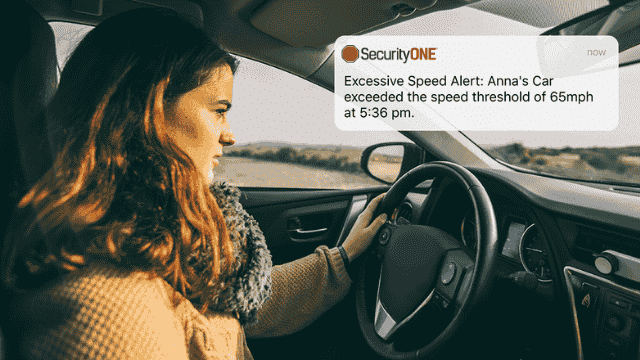
    • Get alerts for speeding, harsh braking, or rapid acceleration
    • Monitor trip history and set driving boundaries
    • Receive warnings for mechanical issues or low battery

    For families with new drivers, this provides reassurance and awareness. You’ll know your loved ones are safe—and have the data to encourage responsible driving habits.

    Top 10 Stolen Cars in Ontario and How to Keep Yours Safe

    Smart Alerts When It Matters Most

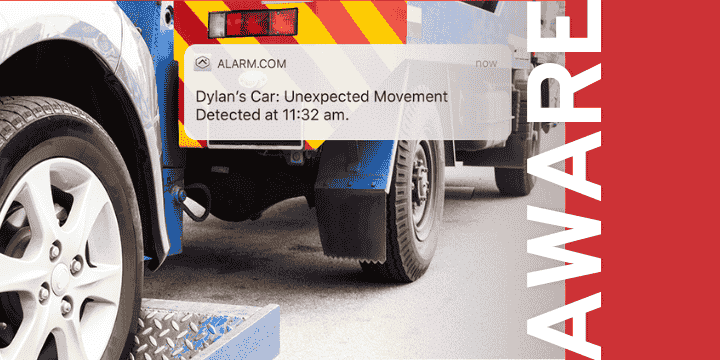
    If your vehicle moves without authorization, you’ll get an instant notification and GPS tracking—helping you or law enforcement respond quickly.

    The Insurance Bureau of Canada (IBC) notes that stolen vehicles are often used in other crimes or sold overseas. Having connected technology that reports movement in real time can make all the difference in recovering your vehicle and preventing loss.

    Safety for Families and New Drivers

    According to the Canadian Automobile Association (CAA), teen drivers are more likely to be involved in collisions due to inexperience and distraction. Real-time monitoring tools help parents promote safer driving habits—creating opportunities for positive discussions and peace of mind every time the car leaves the driveway.

    It’s a simple, proactive way to keep families safer and vehicles protected.

    Connected Car Speeding alerts to your phone

    Connected Protection for Modern Life

    Smart security isn’t just for your home anymore. Vehicle tracking, driver awareness, and mobile alerts bring the same peace of mind you expect indoors—wherever life takes you.

    With today’s connected systems, homeowners can now protect what’s inside the house and what’s parked outside through a single, integrated platform.

  • Why a Video Doorbell Is the Smartest Gift You Can Give Your Home

    Why a Video Doorbell Is the Smartest Gift You Can Give Your Home

    ‘Tis the Season for Deliveries—and Porch Pirates

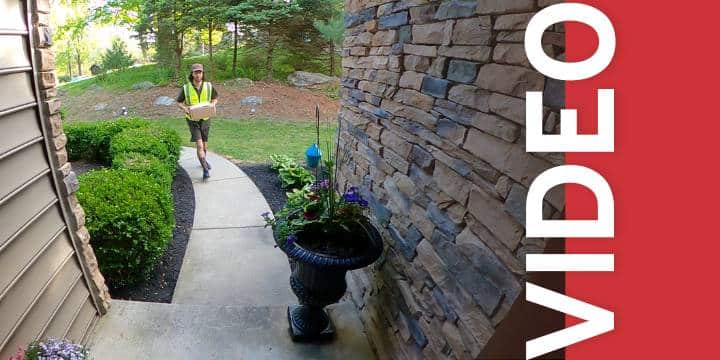
    As online shopping hits its peak during the holidays, so does package theft. A 2023 Finder survey revealed that 1 in 4 Canadians have had a package stolen from their doorstep. With the convenience of same-day and next-day delivery, criminals are seizing easy opportunities—often in broad daylight.

    Porch piracy tends to spike from November through January, when more packages are left unattended. Thieves often follow delivery trucks or target neighbourhoods where parcels are visible from the street. 

    The Power of a Video Doorbell

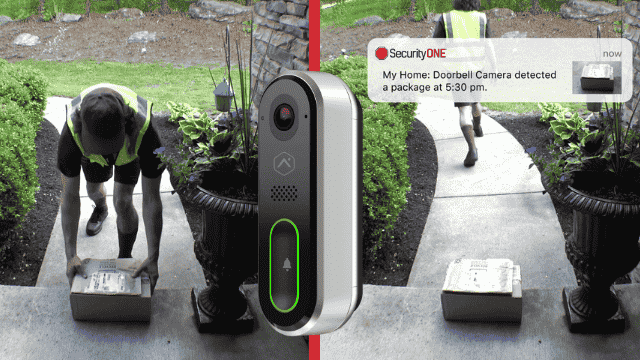
    A smart video doorbell turns your front door into a line of defence. It detects motion, records footage, and sends instant alerts to your smartphone when someone approaches.

    With two-way audio, you can see, hear, and speak to visitors—whether it’s a courier dropping off a package or someone suspicious lingering too long. The moment a delivery arrives, you’ll know, even if you’re not home.

    Why Video Doorbells Work

    Criminals hate cameras—and visible surveillance alone can be enough to stop thefts before they happen. According to a Security.org survey, over 80% of thieves said they’d avoid a home with a doorbell camera.

    But even if a theft occurs, high-definition video clips can help identify suspects and support police investigations. Many police services across Ontario now encourage homeowners to register their security cameras through community camera programs, like the Toronto Police Service’s “Your Camera, Our Community” initiative.

    Delivery Notification

    Smart Alerts and Safer Deliveries

    Modern doorbells use intelligent motion detection to distinguish between people, animals, vehicles, and passing shadows—so you only get alerts that matter.

    Pairing your doorbell with a monitored security system or smart lock takes protection even further. You can unlock the door remotely for trusted couriers, have them leave packages safely inside, and relock it instantly—all from your phone.

    For extra peace of mind, consider coordinating deliveries with Canada Post’s FlexDelivery, which allows you to redirect packages to a secure post office location.

    Peace of Mind at Your Front Door

    A video doorbell isn’t just for holiday protection—it’s a year-round upgrade for your home’s security and convenience. Whether it’s deterring thieves, greeting visitors, or monitoring activity when you’re away, it adds real value to everyday life.

    This holiday season, make sure the only thing on your doorstep is joy—not a thief with sticky fingers.

  • How Monitored Fire Detection Can Save a Life

    How Monitored Fire Detection Can Save a Life

    How Monitored Fire Detection Can Save a Life

    When it comes to fire safety, every second truly counts. Traditional smoke alarms can only warn you if someone is nearby to hear them—but what happens when no one’s home? A monitored fire detection system goes beyond sound. It connects your alarms directly to a professional monitoring centre that can alert emergency services the moment smoke or heat is detected. That quick connection can mean the difference between minor damage and total loss.

    How Monitored Fire Detection Works

    When a monitored smoke or heat detector senses danger, it immediately sends a signal to our 24/7 ULC-listed monitoring centre (certified by Underwriters Laboratories of Canada). Trained operators verify the alarm and contact your local fire department within seconds—often before you’re even aware there’s a problem.

    At the same time, you and your emergency contacts receive instant alerts via phone call, text, or mobile app notification. This ensures that help is dispatched right away, whether you’re asleep, at work, or away on vacation.

    Because fires can double in size every 30 to 60 seconds, this kind of rapid response is critical.

    Standard vs. Monitored Smoke Alarms

    A basic smoke alarm relies entirely on sound—it can’t call for help if no one’s home. A monitored fire system, on the other hand, stays in constant contact with a central monitoring station that can act the moment danger is detected.

    Fire departments across Canada agree: early detection and immediate response save lives. Monitored systems deliver both, giving your family extra protection around the clock.

    Always On. Always Watching.

    Most residential fires happen when people are asleep or away. With a monitored system, you don’t have to rely on someone hearing the alarm. The monitoring team is alerted instantly and takes action, even when you can’t.

    Imagine smoke detected in your basement while you’re out of town—the system automatically signals our operators, who dispatch firefighters right away. That fast response can save your home, valuables, and pets before the situation becomes catastrophic.

    This kind of protection is especially valuable for snowbirds, frequent travellers, or homeowners in rural areas, where response times can be longer.

    Real Stories. Real Lives Saved. 

    Monitored CO Detector Saves Family of Six

    Earlier this year, a Security ONE customer’s monitored carbon monoxide detector helped save their entire family. A faulty pool heater vent had caused CO to leak into the home. The monitoring team quickly verified the alarm and dispatched emergency services—arriving before anyone felt symptoms. The family later shared, “If we didn’t have a monitored system, it could have been deadly.”

    Monitored Smoke Detector Saves Family Pets

    In another case, a customer’s monitored smoke detector triggered an alarm while they were away. Firefighters were alerted within moments and arrived in time to save their pets and prevent extensive damage.

    Stories like these remind us that monitored systems don’t just protect property—they protect lives. 

    Every Second Counts

    A fire can start in an instant, but it’s early detection and a verified response that prevent tragedy. With monitored fire detection, your home or business is never unprotected.

    This October, in recognition of Fire Prevention Month, Security ONE is including a free monitored smoke detector with all new systems and system upgrades. It’s the perfect opportunity to add this life-saving protection and experience peace of mind knowing someone’s always watching over your home.

    📞 Call 1-800-265-5317 to learn more or schedule your upgrade today.